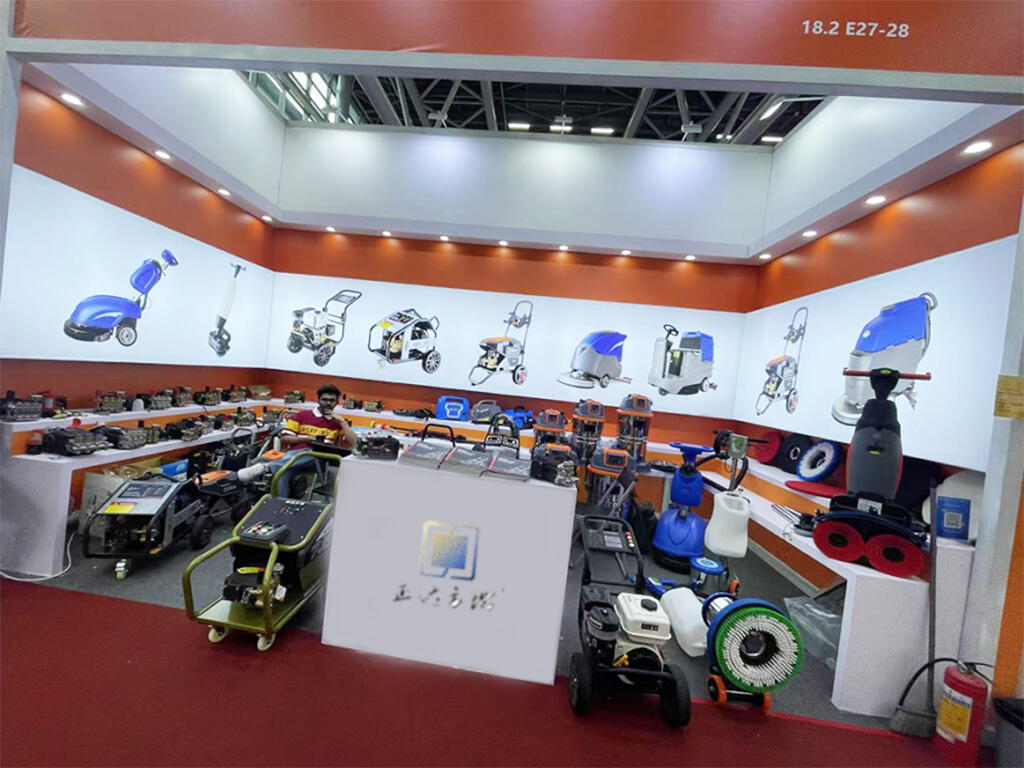
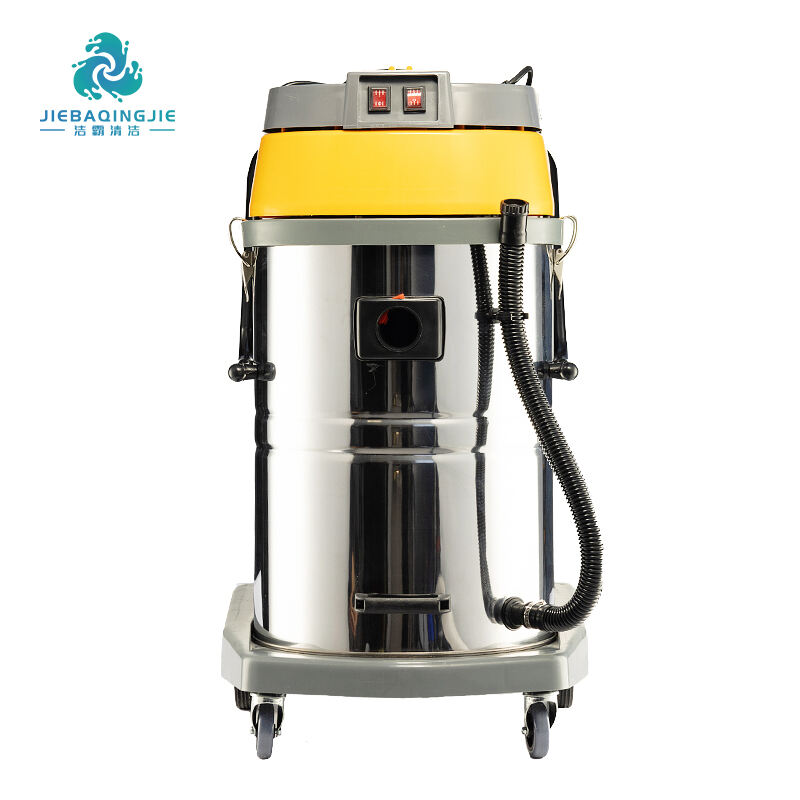
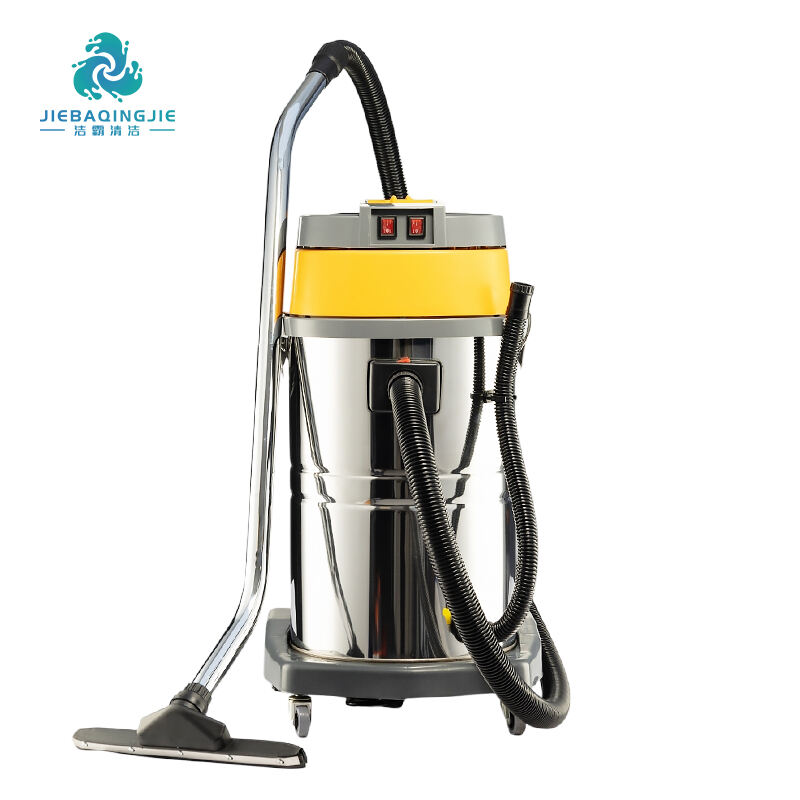
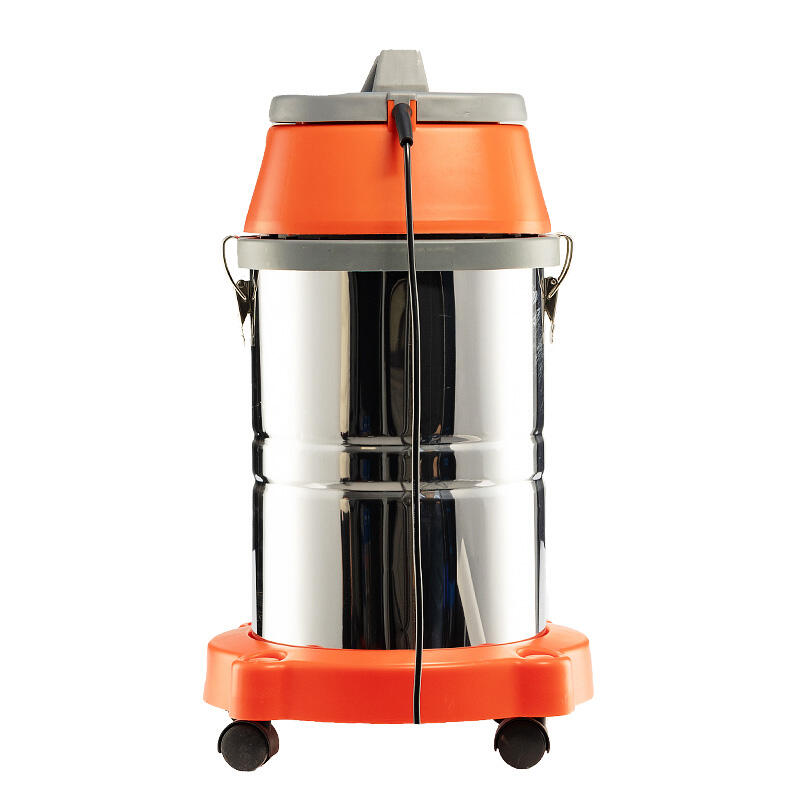
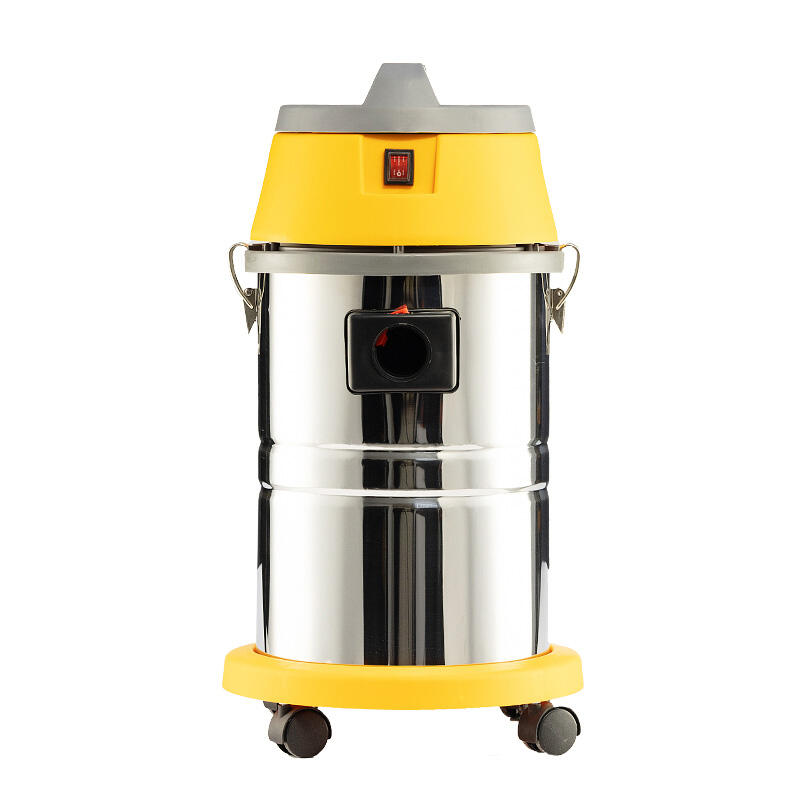
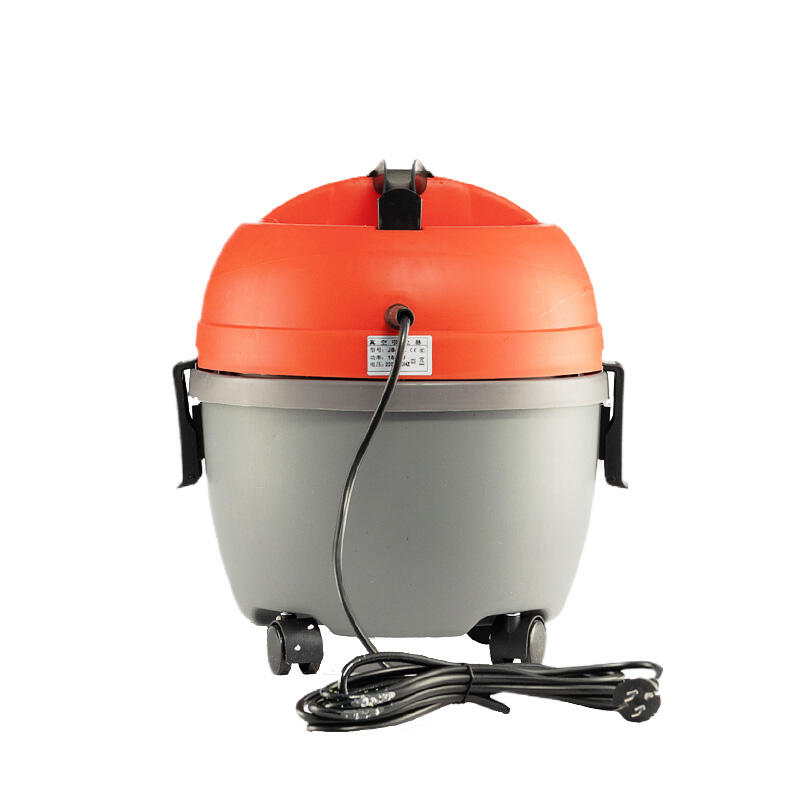
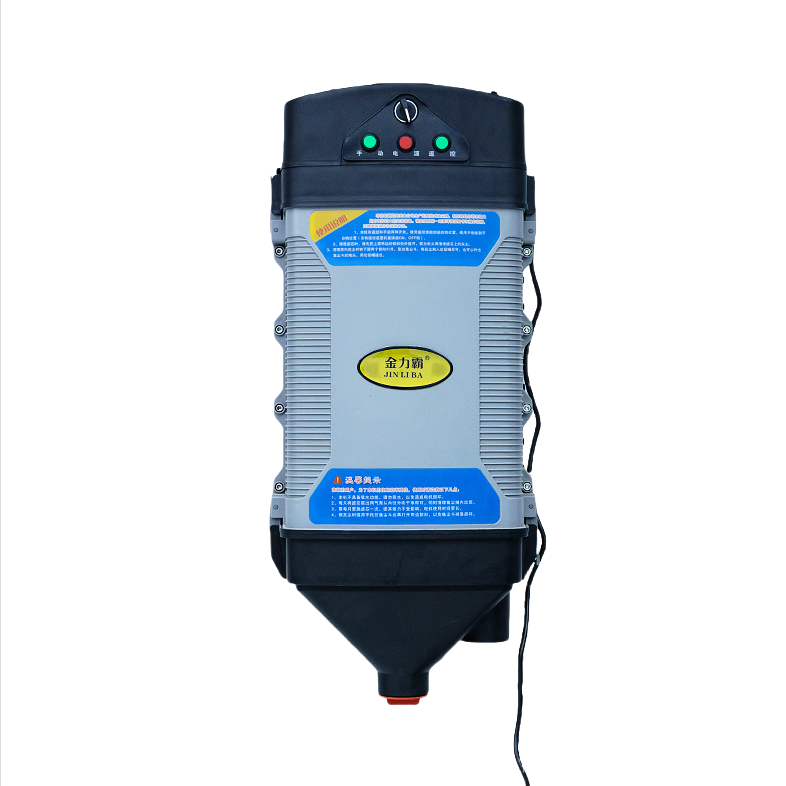
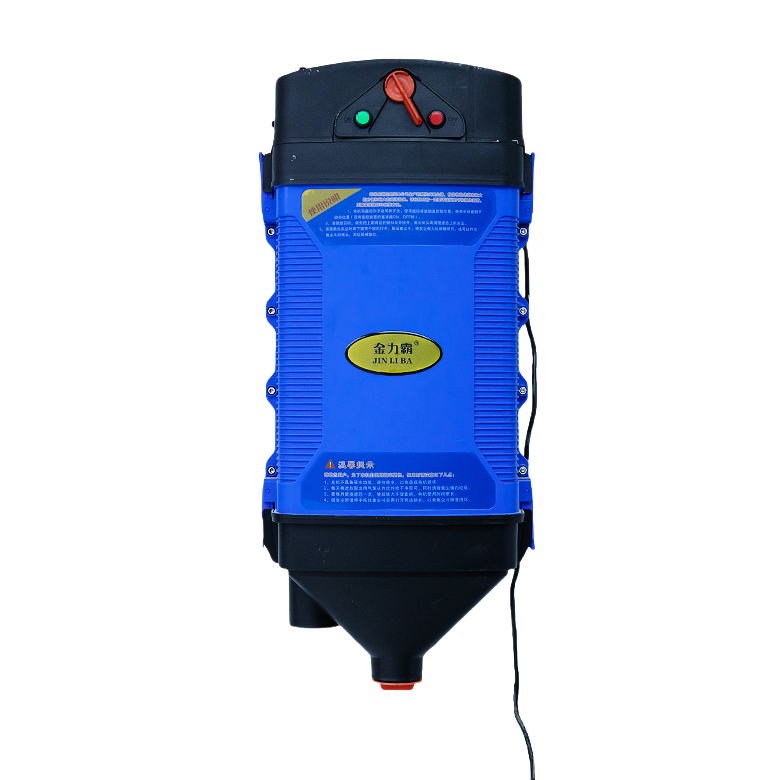
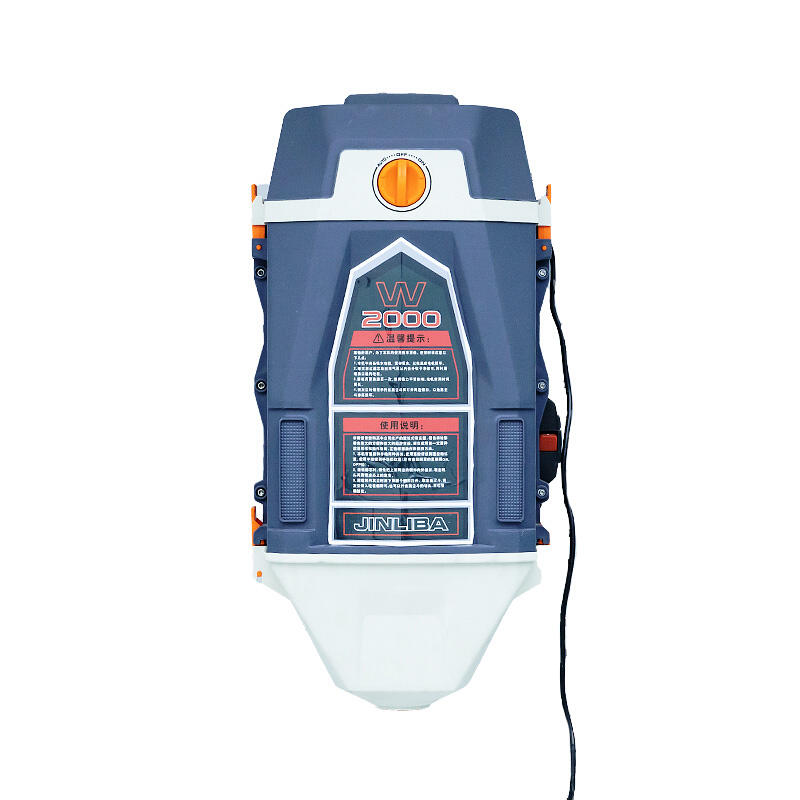
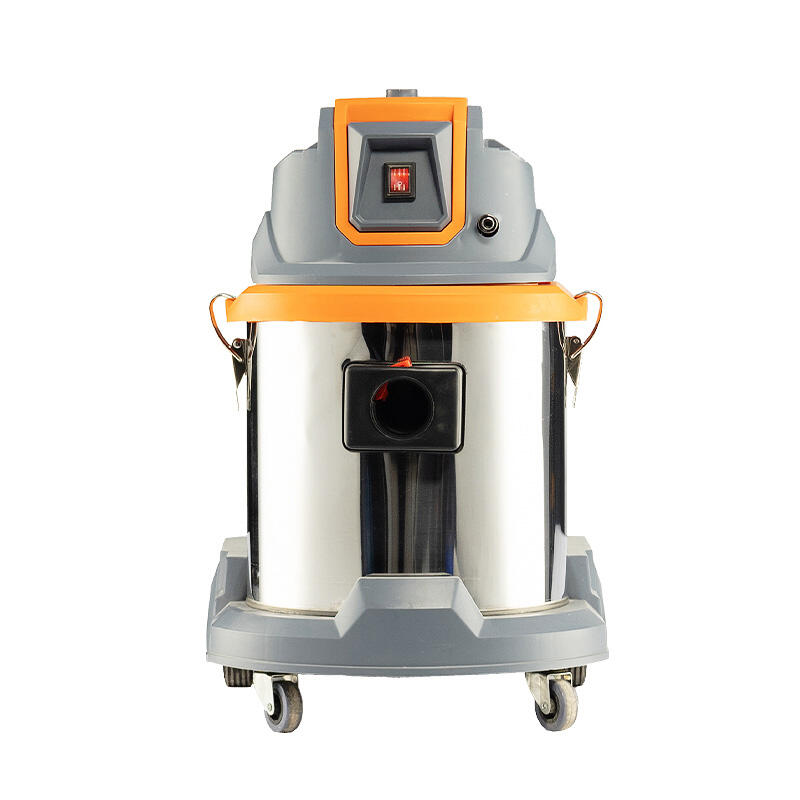
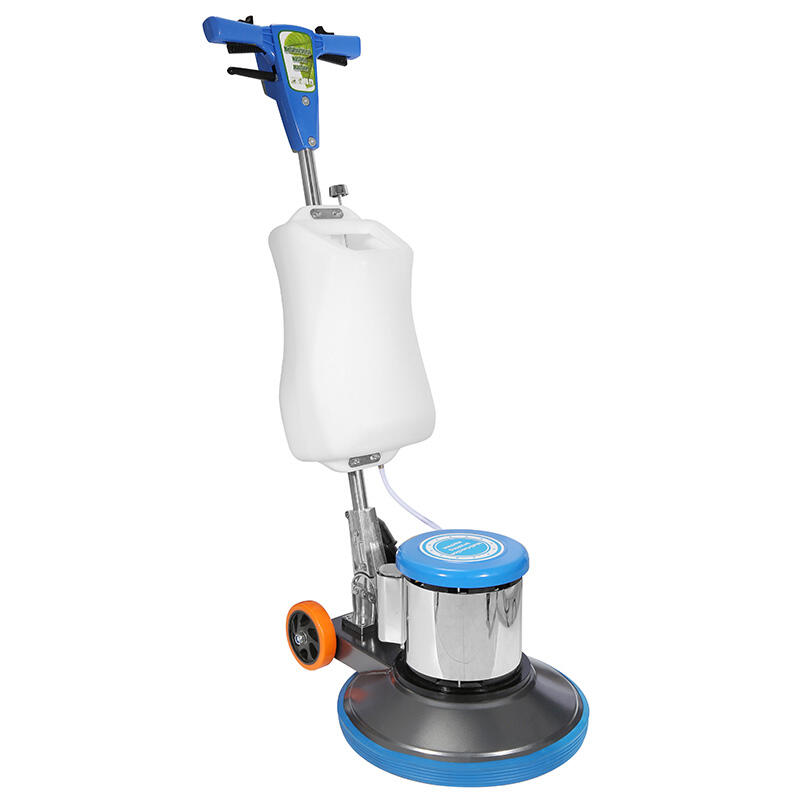

Electric sweepers represent a revolutionary advancement in industrial cleaning technology, combining powerful suction with zero-emission operation for sustainable facility maintenance. These machines utilize high-efficiency brush systems and multi-stage filtration to capture particulate matter ranging from coarse debris to micron-level dust. The operational principle involves a main brush assembly agitating surface contaminants while side brushes extend cleaning reach, with a high-torque vacuum system ensuring complete particulate containment. Advanced models feature HEPA filtration systems achieving 99.97% efficiency at 0.3 microns, making them indispensable for pharmaceutical manufacturing where airborne contamination control is critical. In automotive assembly plants, electric sweepers maintain clean production environments by removing metal shavings, plastic fragments and dust particles that could compromise painting processes. The food processing industry benefits from their sealed construction and easy-to-clean components that prevent bacterial growth, with particular application in grain handling facilities where combustible dust mitigation is paramount. Modern electric sweepers incorporate intelligent power management systems that optimize battery consumption while maintaining consistent suction power, with lithium-ion batteries typically providing 4-6 hours of continuous operation. Warehouse operations utilize these machines for maintaining clear aisle ways free of packaging materials and pallet debris, with compact models navigating narrow spaces between storage racks. Shopping malls and airport terminals deploy ultra-quiet electric sweepers during operational hours without disrupting commercial activities, featuring LED illumination for enhanced visibility in low-light conditions. Specialized variants for construction sites offer enhanced filtration for cement dust and enhanced brush durability for rough surface cleaning. The manufacturing sector employs explosion-proof electric sweepers in environments with potentially flammable atmospheres, featuring intrinsically safe electrical components and static-dissipating brushes. Municipal applications include street sweeping in pedestrian zones and indoor parking facility maintenance where emission-free operation is mandated. Technological innovations now include automated path planning, obstacle avoidance sensors and telematics for fleet management optimization. Facility managers appreciate the reduced operational costs compared to traditional fuel-powered alternatives, with typical energy consumption costs being 70-80% lower than comparable diesel models. The maintenance profile is significantly simplified with brushless motors eliminating carbon brush replacement and regenerative braking systems extending brake component life. For specialized applications in cleanrooms or hazardous environments, custom configurations are available with specific certifications and performance enhancements. The global trend toward sustainable facility management has accelerated adoption across all industrial sectors, with particular growth in regions implementing strict emission regulations for indoor equipment.