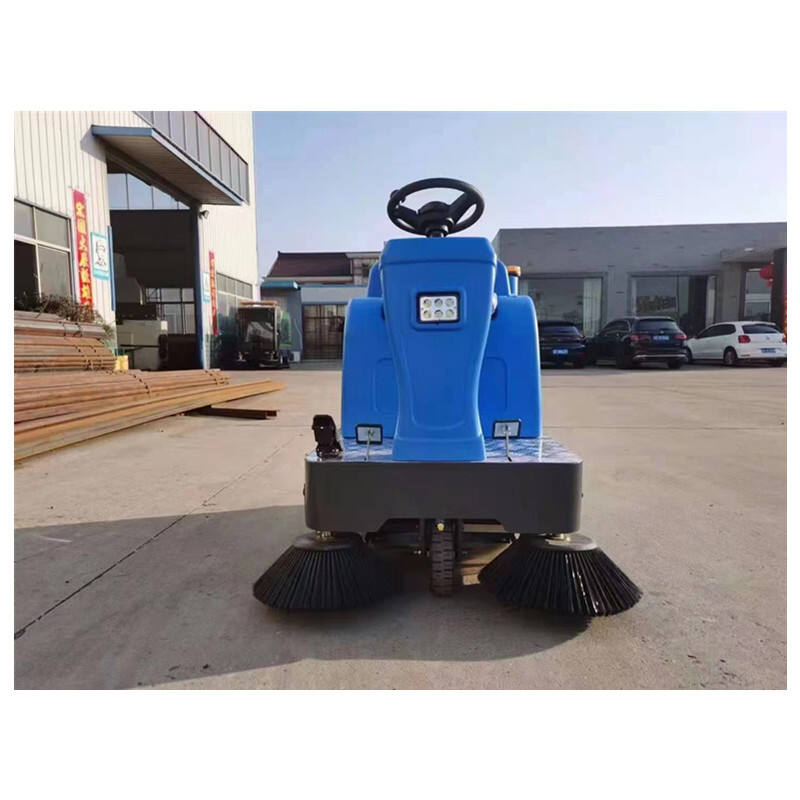
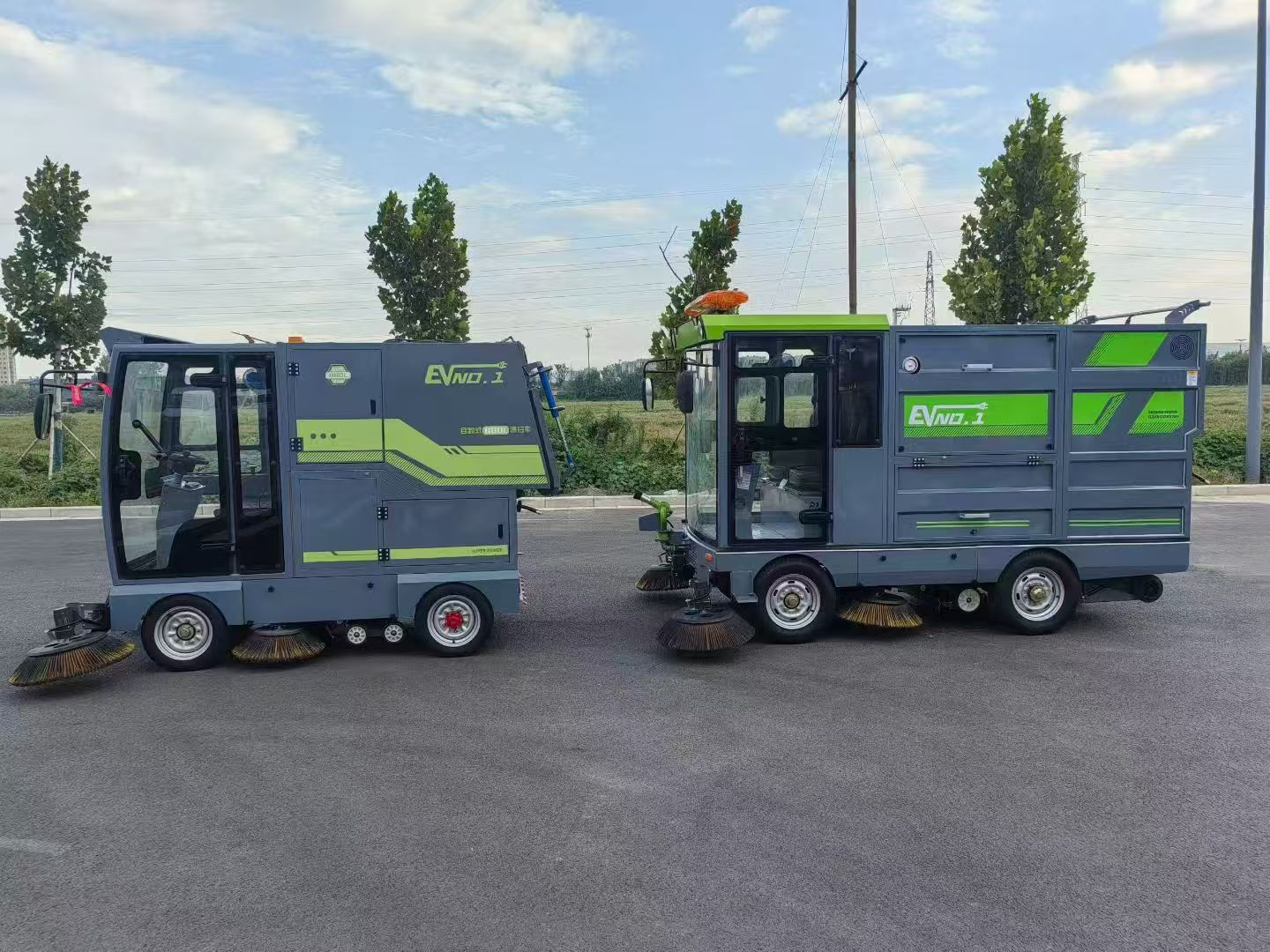
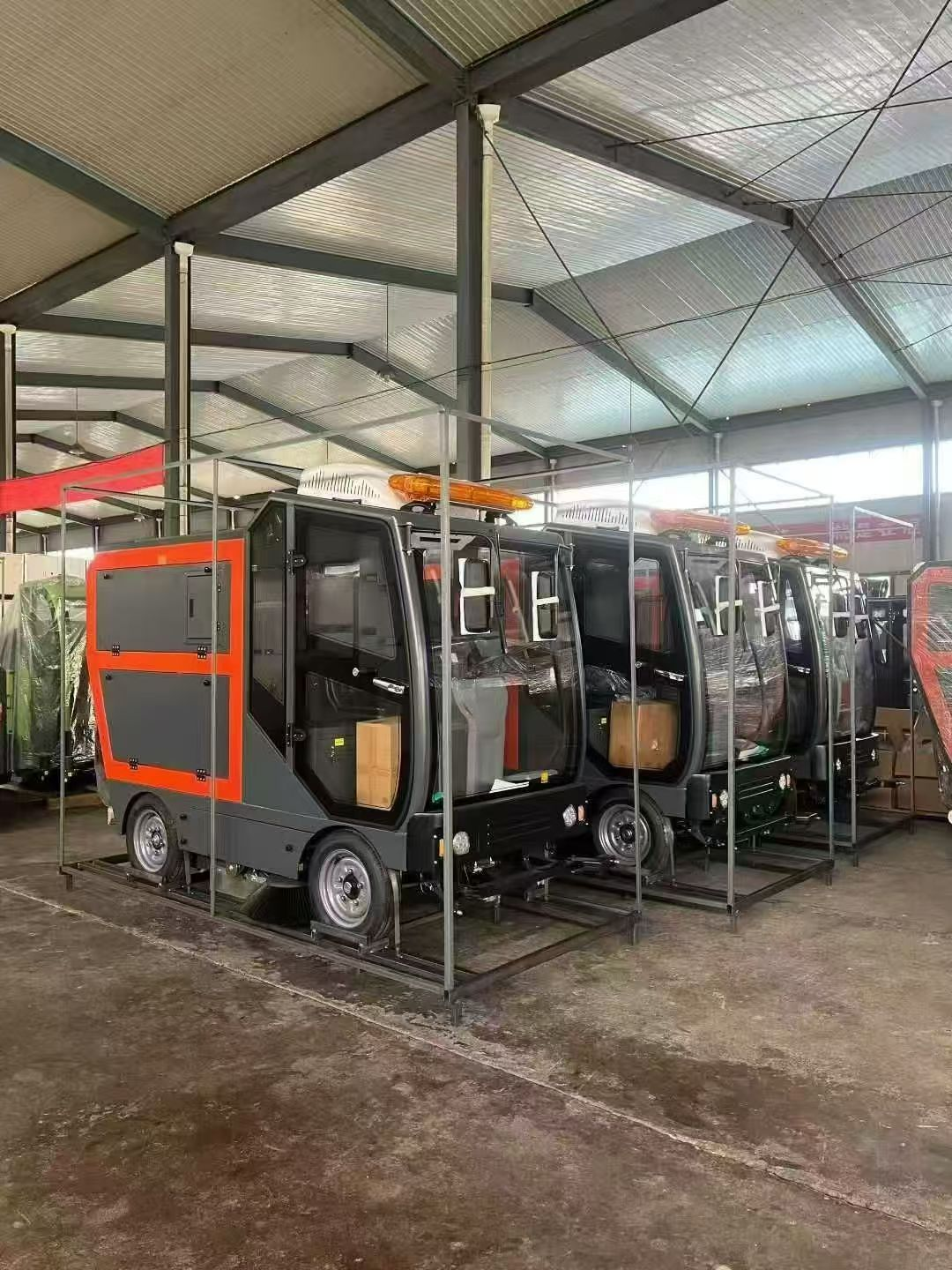
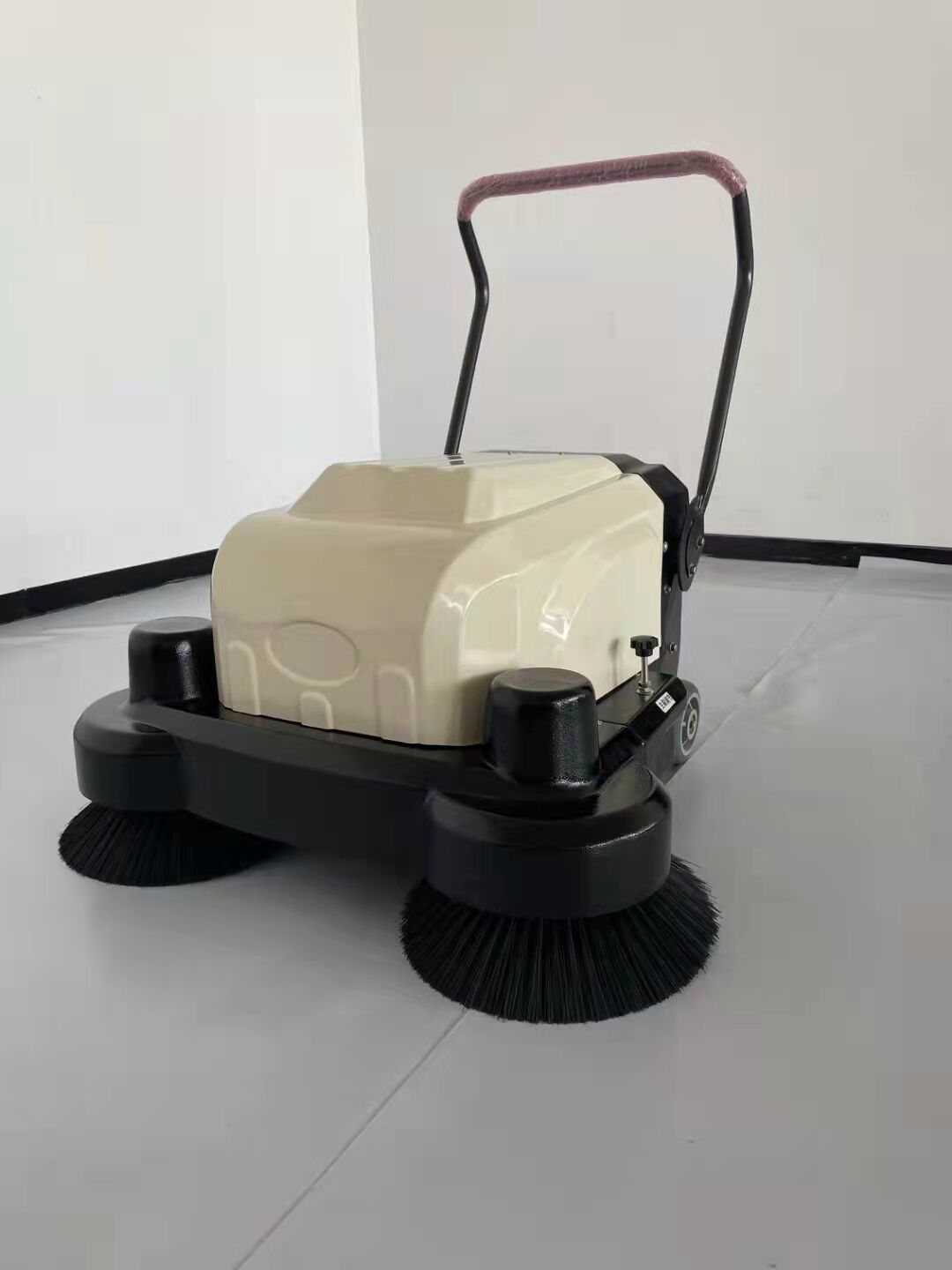
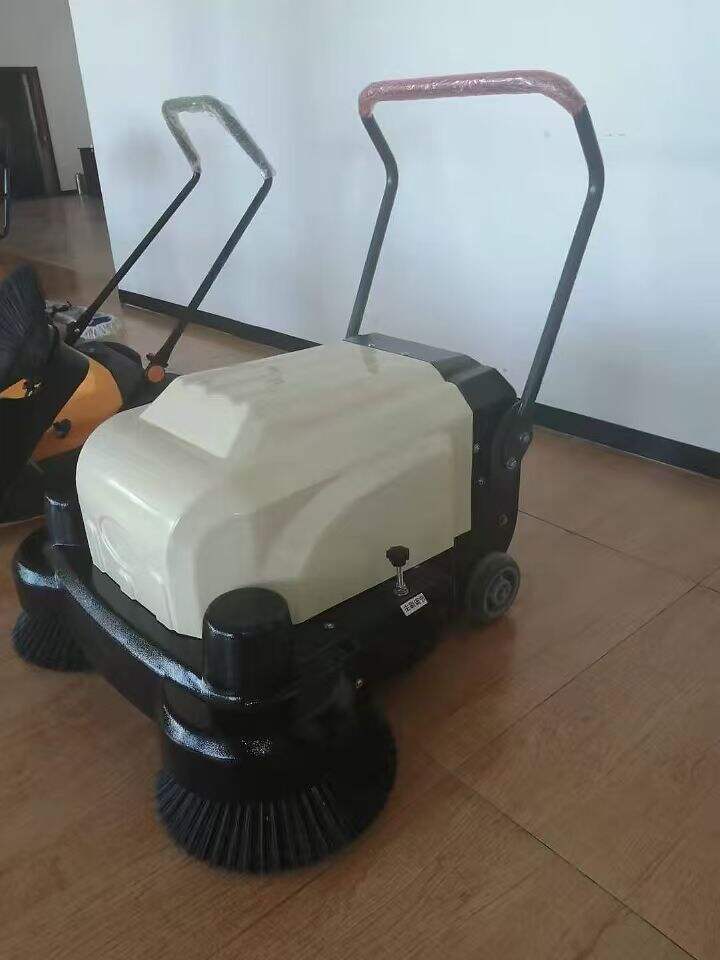
The sophistication of modern electric sweepers extends beyond basic cleaning to encompass intelligent facility management through integrated sensor systems and data analytics. These machines employ adaptive cleaning technology that automatically adjusts brush speed, suction power and water flow based on surface conditions and debris levels. In pharmaceutical manufacturing, electric sweepers with validated cleanroom compatibility maintain particulate control in critical areas through ISO 14644-1 compliance. The electronics industry utilizes ESD-protected models that prevent static discharge damage during production area maintenance, featuring conductive brushes and grounded systems. Automotive plants employ explosion-proof electric sweepers for paint shop applications where flammable atmospheres require certified equipment. Advanced battery systems include opportunity charging capability that extends operational availability while maximizing battery lifespan through intelligent charging algorithms. Warehouse operations benefit from high-capacity rider models that cover extensive areas efficiently, with optimized weight distribution for effective debris collection without surface damage. Shopping mall applications include compact walk-behind units that maneuver through crowded spaces while maintaining low noise profiles. Specialized models for construction sites feature enhanced filtration for concrete dust and heavy-duty components for rough terrain operation. Airport authorities utilize multi-function electric sweepers that combine sweeping, vacuuming and scrubbing for comprehensive airside cleaning. Modern designs incorporate human-centered interfaces with touchscreen controls, performance monitoring and maintenance scheduling. The food processing sector values USDA-compliant designs with hygienic construction, smooth surfaces and washdown capability for strict sanitation protocols. Municipal applications include pedestrian zone cleaning where zero emissions and reduced noise are mandatory requirements. Technological innovations include automated debris container exchange, predictive maintenance alerts and fleet management integration. The manufacturing sector appreciates the reduced thermal load and improved indoor air quality compared to combustion alternatives. Global trends indicate accelerating adoption driven by regulatory requirements, sustainability initiatives and continuous improvement in battery technology that enhances operational range and performance.