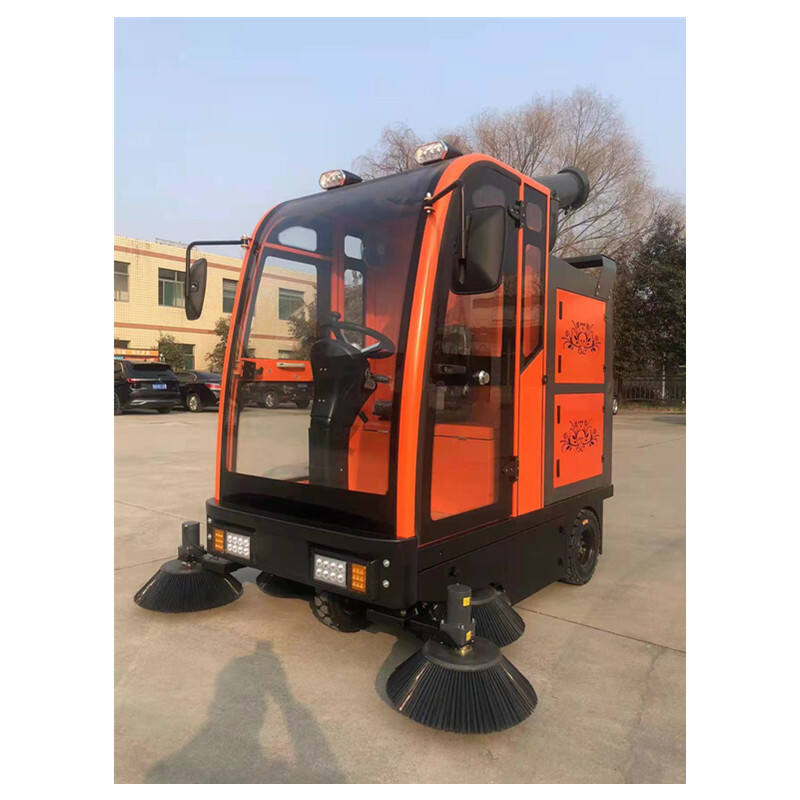
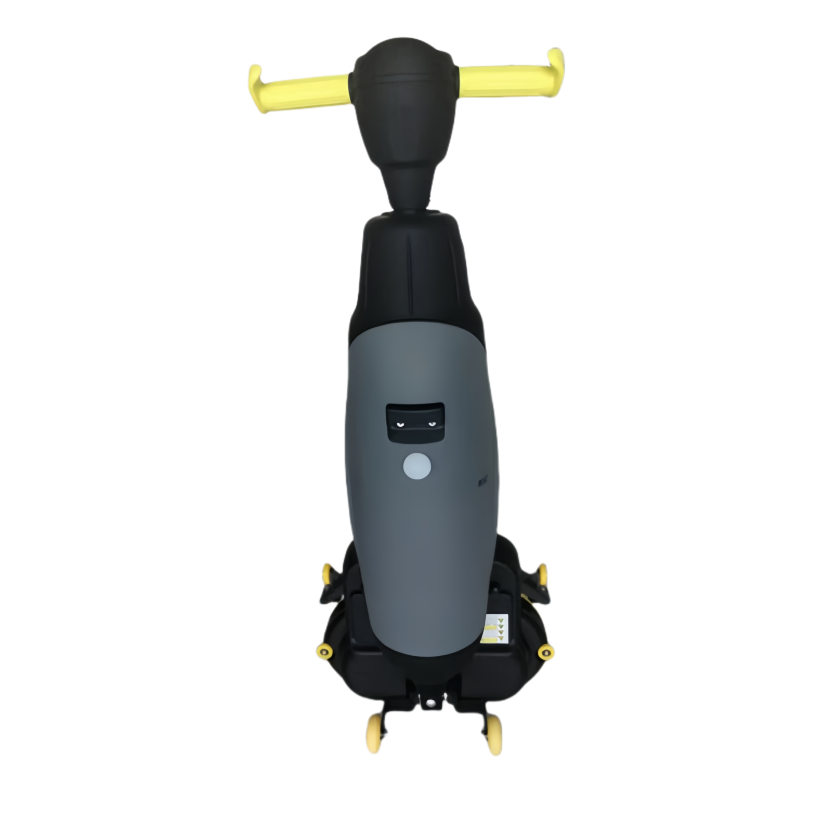
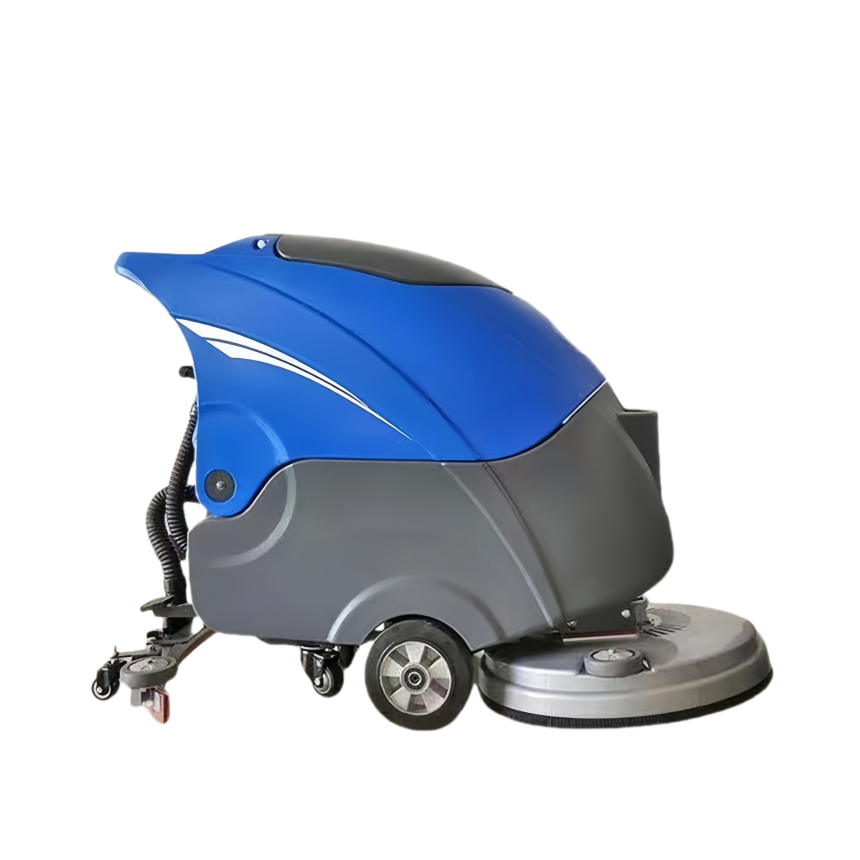
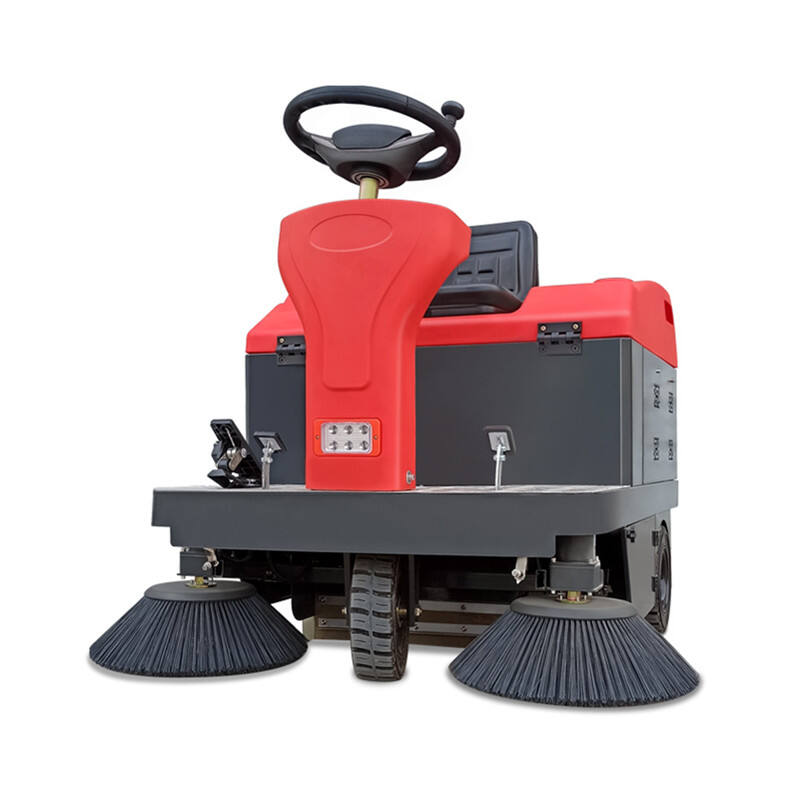
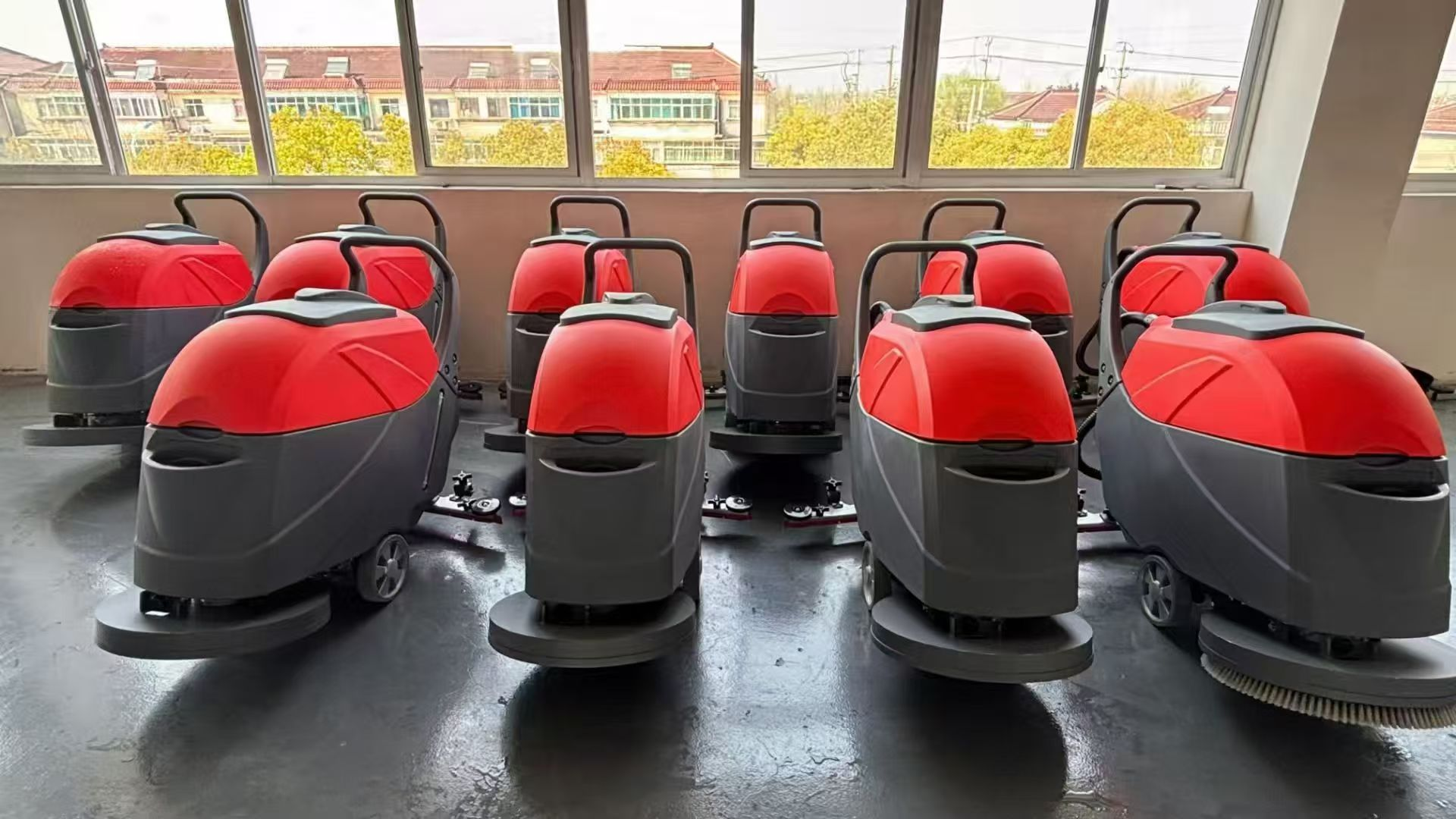
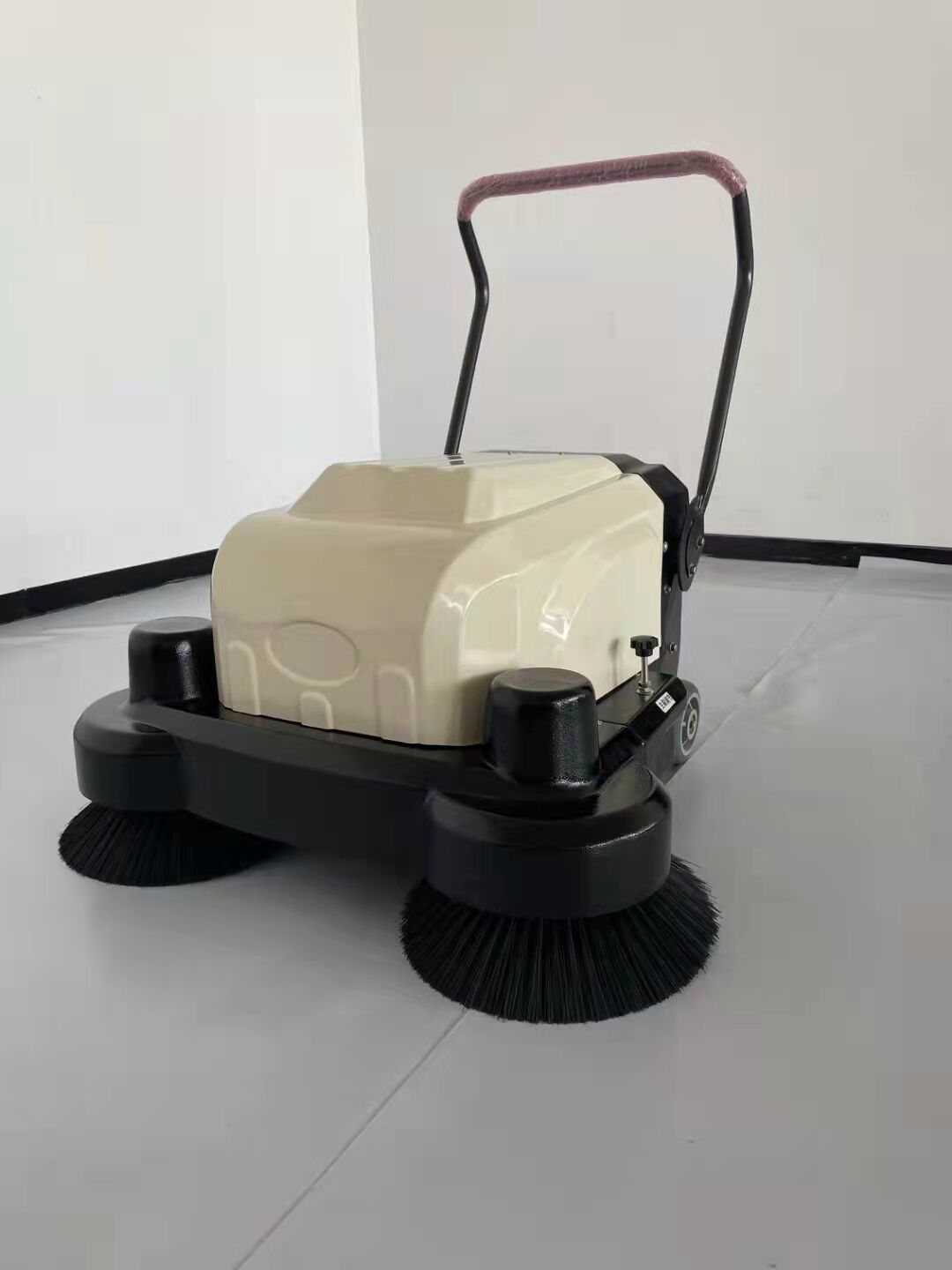
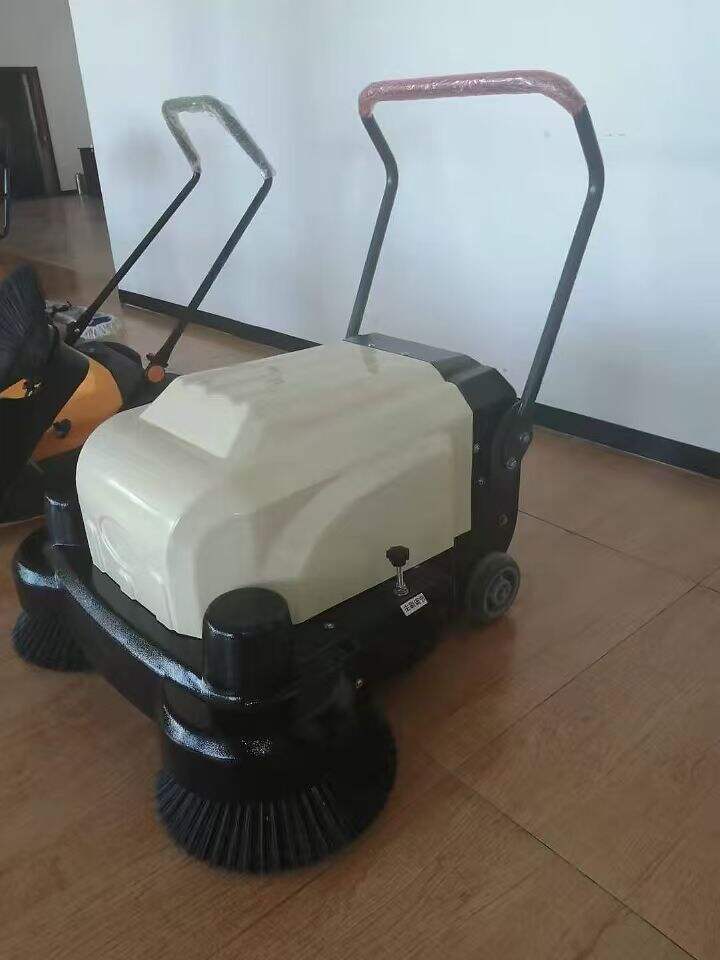
Industrial electric sweepers have become essential components of modern facility management strategies, combining mechanical cleaning efficiency with environmental responsibility. These machines feature intelligent power management systems that optimize energy consumption based on operational requirements, with lithium-ion battery technology providing consistent performance throughout discharge cycles. The manufacturing sector employs electric sweepers with magnetic separation options for ferrous material recovery in metalworking facilities, combined with high-temperature capability for foundry applications. Distribution centers utilize automated guided electric sweepers that operate according to pre-programmed routes during off-hours, integrating with warehouse management systems. Advanced filtration technology includes self-cleaning mechanisms that maintain optimal airflow without manual intervention, particularly valuable in environments with high particulate loads. The education sector implements battery-powered sweepers for maintaining large campus facilities with minimal disruption to academic activities, featuring acoustic profiles below 65 dB. Airport maintenance crews rely on all-electric sweepers for removing de-icing fluid residues, rubber deposits and general debris from operational areas without environmental contamination. Specialized models for food processing facilities feature USDA-compliant materials, smooth surfaces and complete washdown capability for stringent hygiene requirements. Municipal street sweeping operations in urban centers benefit from zero-emission profiles and significantly reduced operational costs compared to traditional alternatives. Modern designs incorporate telematics for remote monitoring of machine utilization, maintenance needs and operational efficiency. The hospitality industry employs compact electric sweepers for convention center maintenance between events, with rapid battery exchange systems ensuring continuous availability. Manufacturing facilities with sensitive electronic equipment appreciate the absence of electromagnetic interference from electric drivetrains. Technological advancements include regenerative braking systems that recover kinetic energy during deceleration, automated brush pressure adjustment and real-time performance analytics. The retail sector values the customer-friendly operation of electric sweepers that can clean during business hours without creating discomfort through noise or emissions. Global sustainability initiatives continue to drive innovation in battery technology, charging infrastructure and smart energy management systems for extended operational range and reduced environmental impact.