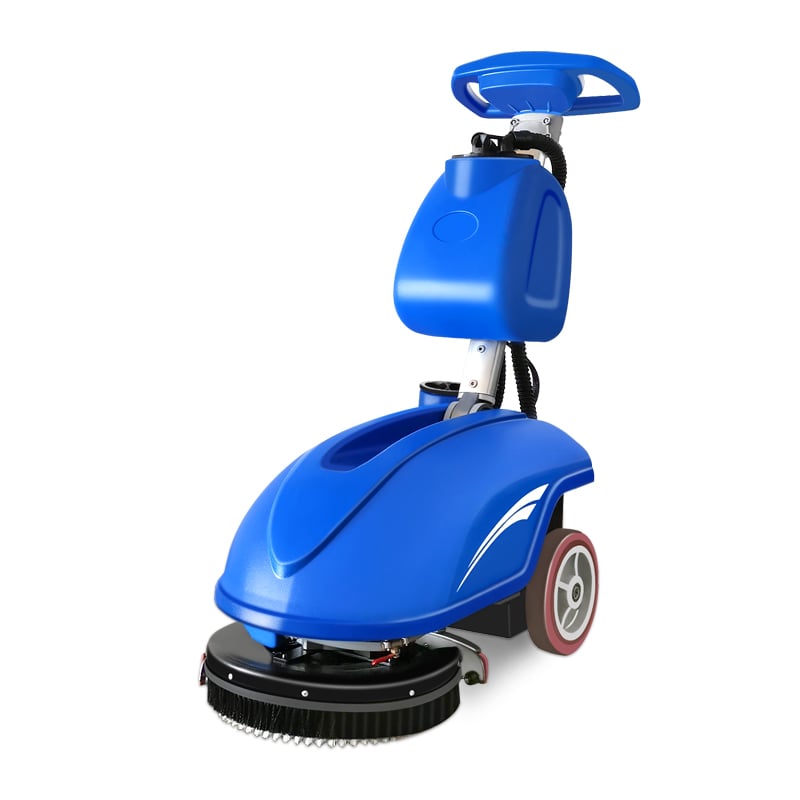
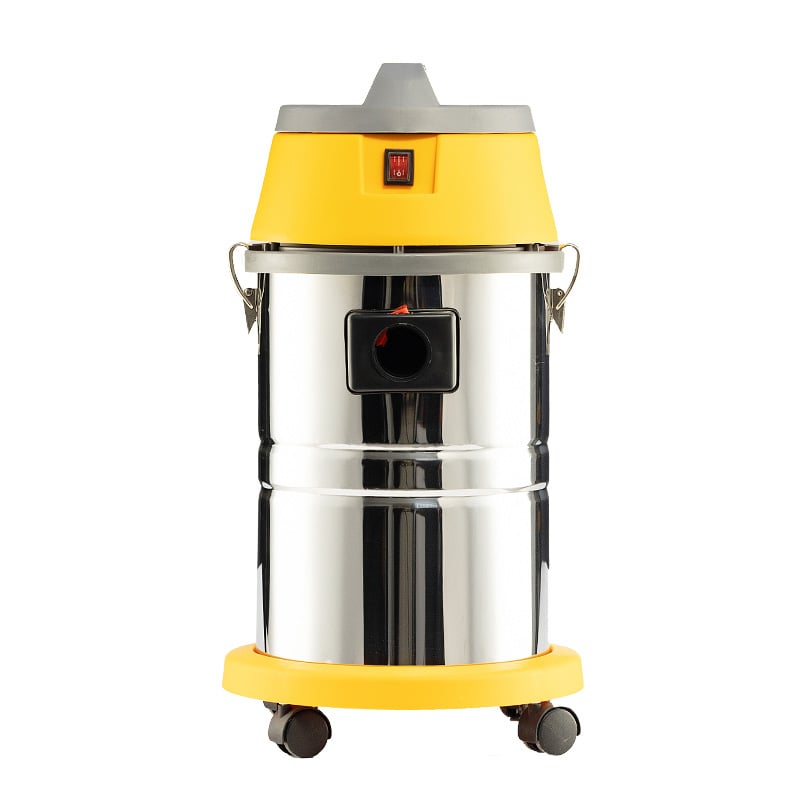
Different kinds of modern sweepers actually perform quite differently when it comes to picking up fine dust particles. Regular mechanical sweepers tend to get rid of around half (about 54%) of those larger PM10 particles according to what Beijing reported in their 2024 air quality studies. Then there are vacuum assisted systems which do much better at capturing smaller stuff like PM2.5 particles these tiny bits that can go deep into our lungs and cause problems. The best performers seem to be regenerative air models that clean surfaces almost completely with effectiveness rates hitting close to 98% based on tests done by the Urban Sanitation Institute back in 2023. And if cities add water sprays to these machines, they see even better results with fine dust levels dropping by roughly 70% in places where kids play and people receive medical care such as near schools and hospitals.
When dust settles on surfaces, it can get kicked back into the air again if something disturbs it, like sweeping brushes or strong gusts of wind. Mechanical sweepers actually send back about a third of what they collect because their spinning brushes create turbulence. Vacuum systems help cut down on this problem since they suck up dust instead of pushing it around. Some newer systems called regenerative air units work differently too. They blow air downwards at the same time as creating suction, which helps lower PM10 levels in busy city areas by roughly 30% during rush hour times, based on research from urban air quality monitoring projects. To keep things cleaner overall, operators should watch brush speed closely, aiming for under 250 revolutions per minute. Spraying light water mist also works well, along with proper exhaust systems that filter out fine particles using HEPA technology before releasing air back outside.
How effective cleaning actually works depends a lot on where it happens and what kind of sweeper does the job. After sweeping operations, PM2.5 concentrations tend to bounce back to normal levels around 4 to 6 hours later in busy areas like shopping malls or downtown streets. But interestingly enough, these improvements often stick around for much longer in quieter neighborhoods, sometimes lasting between 8 and 12 hours. According to studies done by Caltrans, vacuum sweepers have about twice the staying power when it comes to PM10 compared to regular mechanical models. Some advanced regenerative air systems even manage to keep PM10 below 25 micrograms per cubic meter for nearly 18 hours right next to active construction zones. Several factors determine how long these benefits last though. Traffic volume plays a big role obviously, but wind conditions matter too fast winds above 15 kilometers per hour just stir things up again. And then there's rain which washes away particles or brings them down from the air depending on timing.
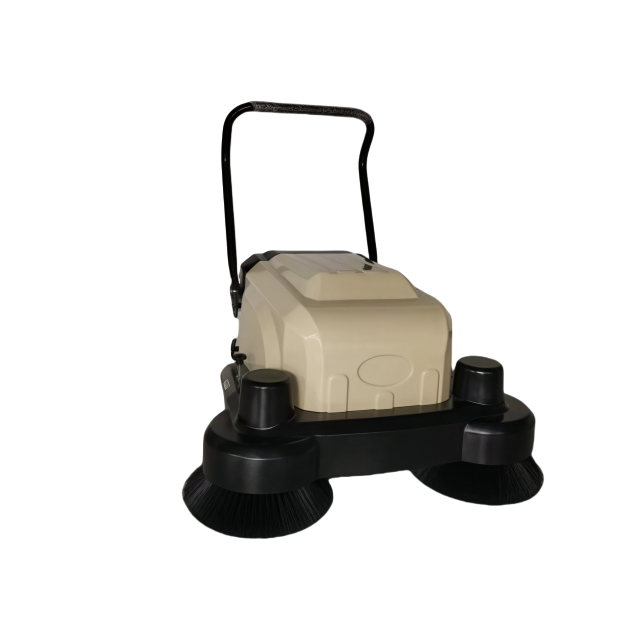
Most mechanical sweepers work by spinning brushes that sweep debris into collection bins. They do pretty well with bigger stuff like leaves and small rocks, but run into problems when it comes to tiny sediments below about 44 micrometers. That's actually right around the same size as those dangerous PM2.5 particles we hear so much about these days. The brush system just isn't built to handle such tiny bits, which means a lot of the fine dust stays behind after cleaning. Studies suggest somewhere between 30% and maybe even 40% of this microscopic dirt remains untouched. And here's the kicker: all this leftover fine stuff tends to float back into the air while the sweeper is still running, making things worse instead of better.
Street sweepers equipped with vacuum technology pull dust right into their sealed filter systems using strong suction power. The regenerative air type works differently, creating a closed loop airflow system that knocks loose tiny particles before sucking them up through negative pressure. These machines typically catch between 68 to 85 percent of PM2.5 particles, which is roughly double what traditional mechanical sweepers manage. The sealed design really matters too because it keeps fine dust from bouncing back into the air during cleaning operations. Vacuum sweepers tend to perform best in crowded city centers where air quality regulations are tight, whereas regenerative air models handle both fine particulates and larger debris making them great for neighborhoods with varied litter problems.
When fine dust isn't captured properly, it poses serious threats to both public health and the environment. Those tiny PM2.5 and PM10 particles can actually get deep inside lungs and even enter the blood stream, making conditions like asthma and bronchitis worse, plus causing heart problems. According to World Health Organization data from 2021, these issues are linked to about 4.2 million early deaths worldwide each year. Looking at nature, dust that escapes ends up settling on plants, which messes with their ability to make food through photosynthesis and slows down growth. Stormwater then carries dangerous stuff like lead and cadmium into nearby rivers and streams. Cities really struggle with air quality standards when these ultra small particles aren't dealt with properly, leading to more regulatory problems and damaged ecosystems over time. That's why just catching some of the PM2.5 simply isn't enough to truly protect communities or keep our environment healthy.
PM10 and PM2.5 refer to particulate matter with diameters of 10 micrometers or less and 2.5 micrometers or less, respectively. They are airborne particles that can be inhaled into the lungs.
Mechanical sweepers can re-suspend dust particles into the air due to their spinning brushes. This can lead to increased levels of fine particles like PM10 and PM2.5 in the air.
Regenerative-air sweepers use a combination of air pressure and suction to remove particles. This reduces resuspension and captures a higher percentage of fine dust, making them more effective than traditional mechanical sweepers.
 Hot News
2026-01-29
2025-12-29
2025-11-26
2025-10-28
2025-09-10
2025-08-14

Our company offers a wide array of top - tier cleaning machinery and stylish golf carts. Whether you need industrial - grade cleaning tools or reliable golf transportation, our products are designed to meet high standards. Explore our website for quality solutions.
 EN
EN