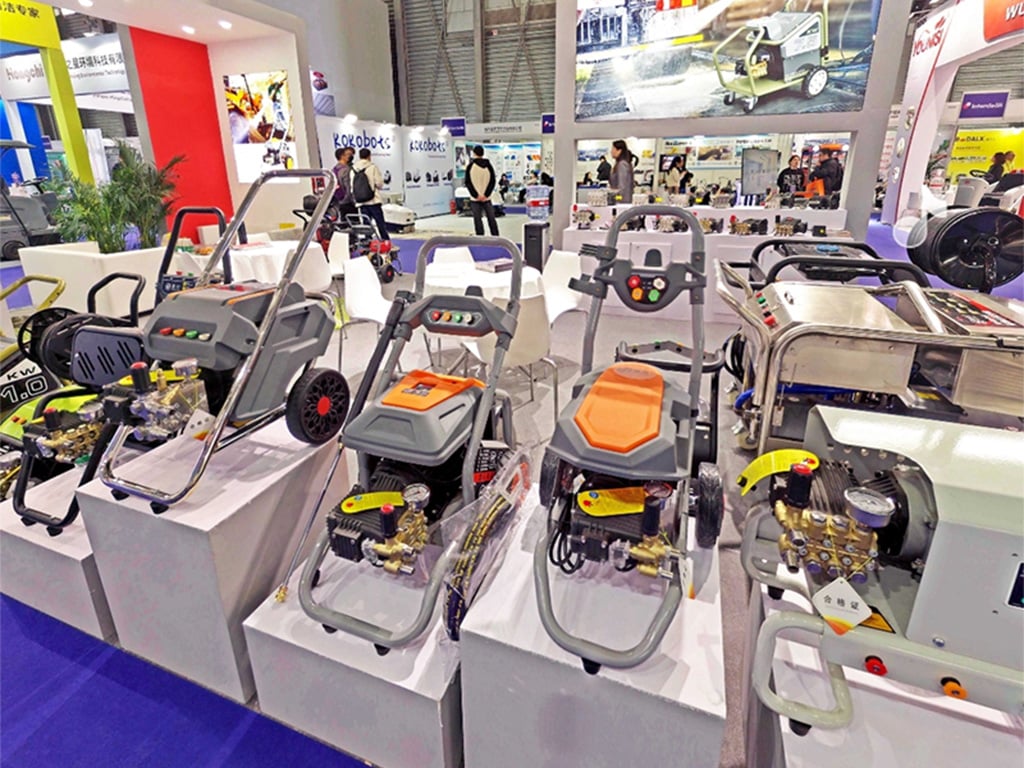
When it comes to cleaning around the house like driveways, decks, and cars, getting the right balance between pressure and water flow is really important to keep surfaces looking good. For driveways, something in the range of 1500 to 3000 psi works well with about 1.5 to 2.5 gallons per minute. This helps get rid of dirt that's stuck in there without damaging the concrete surface. Decks are different though. They usually need lower pressure, maybe around 500 to 1500 psi combined with 1.4 to 1.6 gpm so the wood doesn't get damaged or start flaking apart. Wood decks can be tricky because too much pressure will ruin them over time. When washing vehicles, aim for around 1200 to 2200 psi max. Going beyond that might strip off paint or break down those protective seals on the car body. Most homeowners find that a mid-range electric pressure washer does all these jobs just fine while using less water than bigger models. These units generally put out less than 2 gallons per minute and aren't too loud either, which makes them great for neighborhoods where noise matters.
Industrial cleaning success hinges on Cleaning Units (CUs = PSI × GPM), not pressure alone. Higher CU values correlate directly with faster contaminant removal, reduced labor time, and improved ROI. For example:
| Application | Minimum CU Target | Efficiency Benefit |
|---|---|---|
| Fleet vehicle washes | 8,000 CU | 40% faster rinsing vs. low-CU units |
| Factory floor cleaning | 12,000+ CU | Removes grease 3× faster |
A unit delivering 4,000 PSI × 3.0 GPM (12,000 CU) outperforms a 5,000 PSI × 1.8 GPM (9,000 CU) model in large-scale jobs—proving that flow rate is as critical as pressure for real-world productivity.
When dealing with delicate surfaces, reducing pressure is absolutely necessary no matter what size the job might be. Old brick structures generally handle around 500 to 800 pounds per square inch before their mortar starts wearing away. For historical buildings made of stone or brick, it's best to stick below 700 psi when cleaning these areas, especially if using those wider 40-degree nozzles. Vinyl siding tends to break down once pressure goes over about 1300 psi, which can cause serious warping problems that are hard to fix later. Sometimes, stubborn organic stains on sensitive materials actually clean better when given extra time with the right kind of detergent rather than just cranking up the pressure. Before starting any major work, always do a small test patch somewhere nobody will notice too much. This helps protect the building's overall structure while still getting rid of dirt and grime effectively without causing damage.
PSI measures water pressure force. Concrete withstands 2,500–4,000 PSI for deep grime removal without pitting. Wood requires 500–1,500 PSI to avoid splintering or fiber damage. Vehicles clean safely at 1,200–2,200 PSI—higher pressures risk paint, trim, and rubber component damage. Exceeding recommended ranges compromises surface integrity more than it improves cleaning speed.
The gallons per minute (GPM) rating basically tells us how much water gets delivered during cleaning operations. When we talk about higher GPM rates, several things happen at once. Water moves across surfaces faster, which means less time for dirt to settle back down after removal. The increased flow also helps activate detergents better because there's simply more contact with the cleaning solution. For businesses running large-scale operations, switching from a standard 2.0 GPM system to something closer to 4.0 GPM makes a real difference. Jobs get done roughly twice as quickly, and this translates into noticeable savings when looking at labor expenses over time. Finding the right balance isn't just about picking the highest number though. Factors like the size of the area being cleaned, how dirty it actually is, and whether hot water or additional chemicals will be needed all play their part in determining what kind of GPM level works best for any particular situation.
Electric pressure washers run pretty quiet, around 75 decibels or less, with hardly any vibration at all. That makes them great for folks living near apartments or in residential areas where loud machines are a problem. Plus, there's no dealing with gasoline or changing oil, which saves time and hassle in the long run. The downside? Most models need to be plugged in, so they aren't really portable unless someone wants to drag a long extension cord everywhere. Gas versions give complete freedom to move around without worrying about outlets. They pack much more power too, hitting up to 4,000 PSI, which is why many professionals stick with them when working on big jobs or out in the field. But these machines come with their own headaches. Noise levels jump to about 90 dB, enough to irritate neighbors. And let's not forget the regular maintenance stuff everyone dreads: oil changes, cleaning air filters, replacing spark plugs. For most homeowners doing occasional driveway cleaning, electric is definitely the way to go. Commercial operators who need serious muscle and constant mobility will find gas units worth the extra effort.
Cold water pressure washers work great for getting rid of surface dirt and grime on things like concrete driveways, cars, and other outside areas. When it comes to tougher jobs though, hot water models take the cake. These machines heat water between 140 and 180 degrees Fahrenheit which makes them much better at breaking down stubborn stuff like engine grease, factory oils, and those tough industrial messes. The heat actually helps cleaning products work faster too, plus it kills off those pesky biofilms that can be a problem in places like restaurants, hospitals, and anywhere strict cleanliness standards matter. Some research indicates workers spend about half as much time scrubbing when using hot water systems. But there's a catch worth remembering: not everything can handle the heat. Materials such as vinyl siding, painted wood surfaces, and some types of plastic will warp or get damaged if exposed to high temperatures, so cold water is definitely the safer bet for these materials.
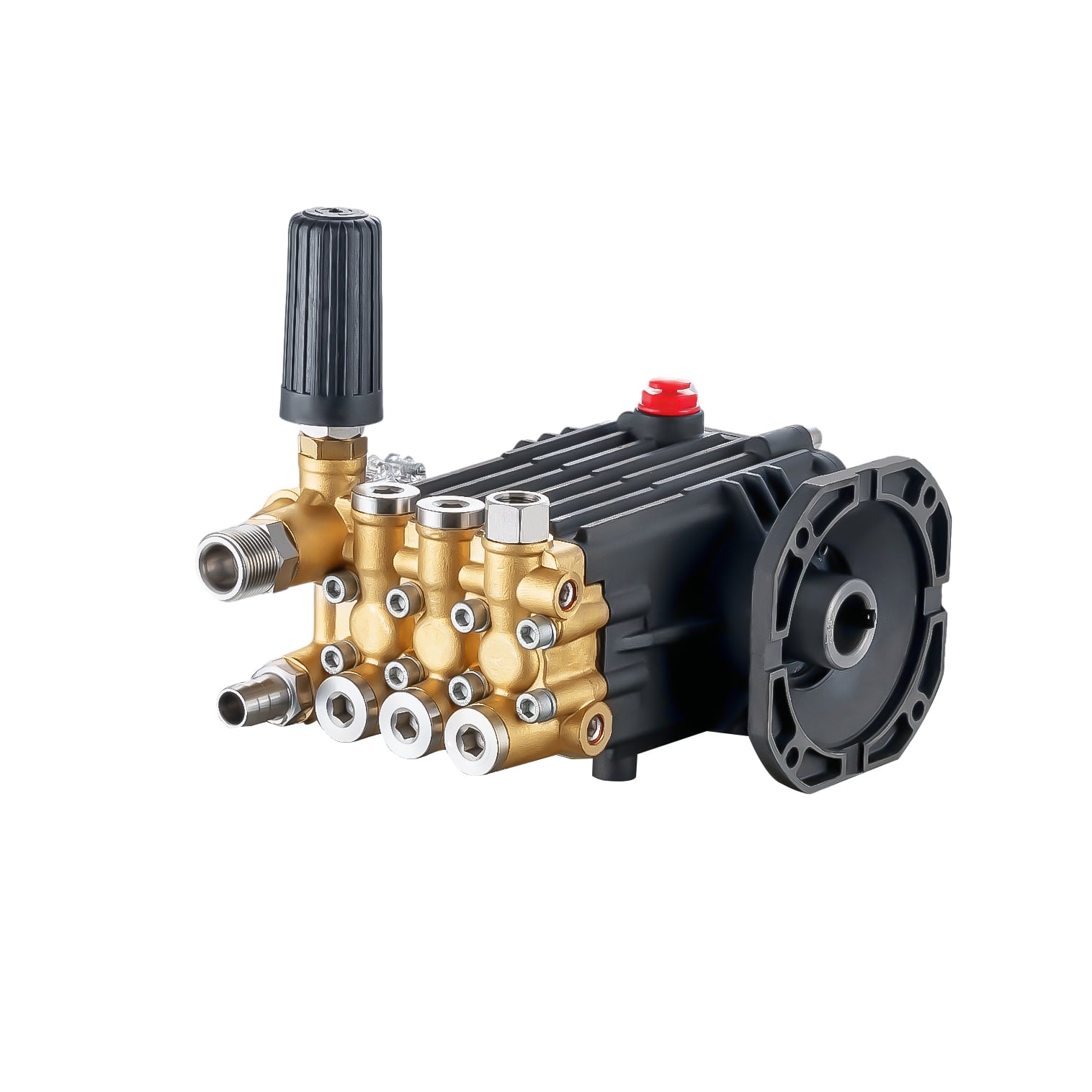
How long something lasts really affects what we pay overall and how reliable our operations stay. Metal parts like stainless steel pumps and brass fittings tend to outlast their plastic counterparts by around three to five years, which means fewer replacements and less time when things aren't working. Want to figure out real value over time? Try looking at cost per use. Just take what something costs and divide it by how many hours it should run before needing replacement. Take this example: A pump that costs $600 but runs for 1,200 hours actually gives better bang for buck than a cheaper $400 model that stops working after just half that time, even though the initial price looks better. Look for pumps with those heavy-duty seals and built-in heat protection features. Studies from industry groups show these components stop about 80% of motor problems, so they matter a lot. And don't overlook extended warranties either. When manufacturers offer coverage beyond three years, it usually means they believe in their product's quality, but always read the fine print because some warranty terms can be pretty restrictive.
A pressure range of 1500 to 3000 PSI with a flow rate of about 1.5 to 2.5 GPM is recommended for cleaning driveways.
Electric washers are quieter and require less maintenance but need to be plugged in, while gas washers offer more mobility and power but are noisier and require regular maintenance.
Yes, delicate surfaces like wood and masonry can be damaged if the pressure settings are too high.
GPM impacts how fast water and detergent interact with surfaces, affecting cleaning speed and effectiveness.
Hot water washers are more effective at removing stubborn grime, grease, and biofilm due to the heat.
 Hot News
2026-01-29
2025-12-29
2025-11-26
2025-10-28
2025-09-10
2025-08-14

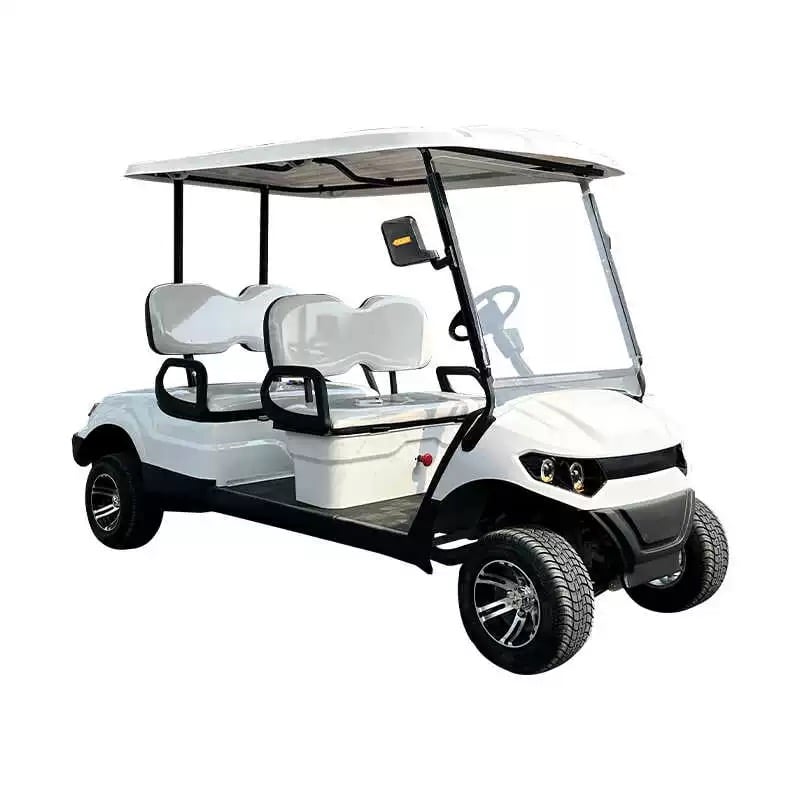
Our company offers a wide array of top - tier cleaning machinery and stylish golf carts. Whether you need industrial - grade cleaning tools or reliable golf transportation, our products are designed to meet high standards. Explore our website for quality solutions.
 EN
EN