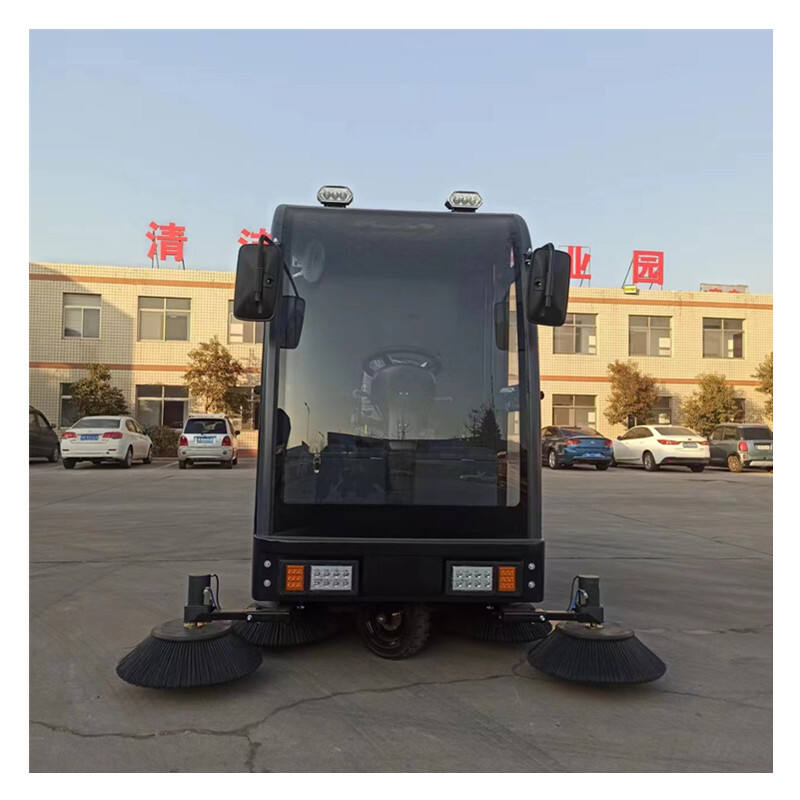
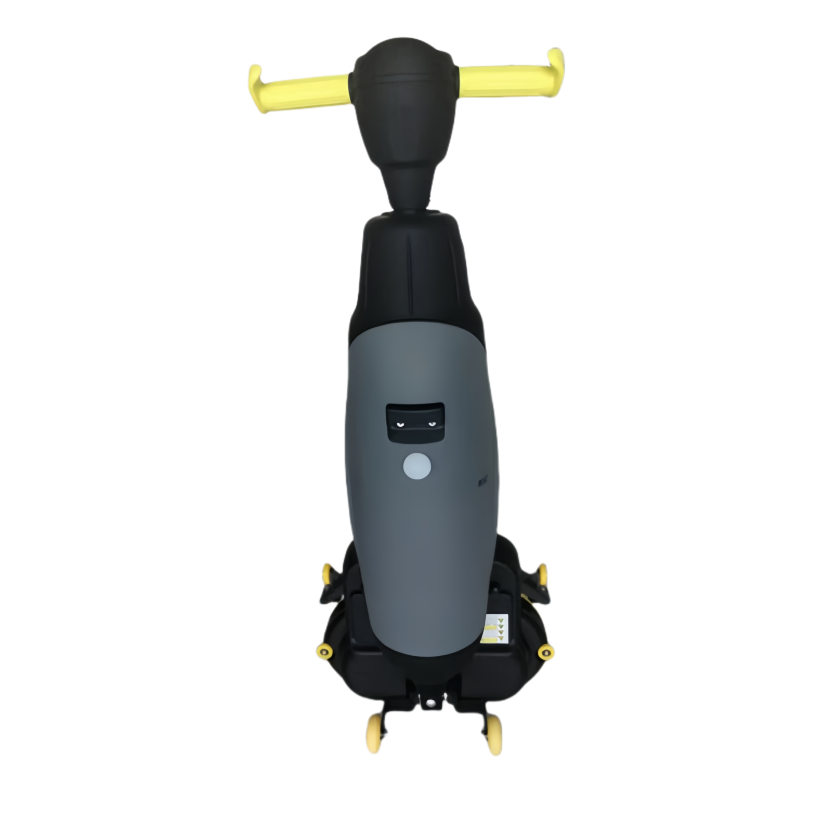
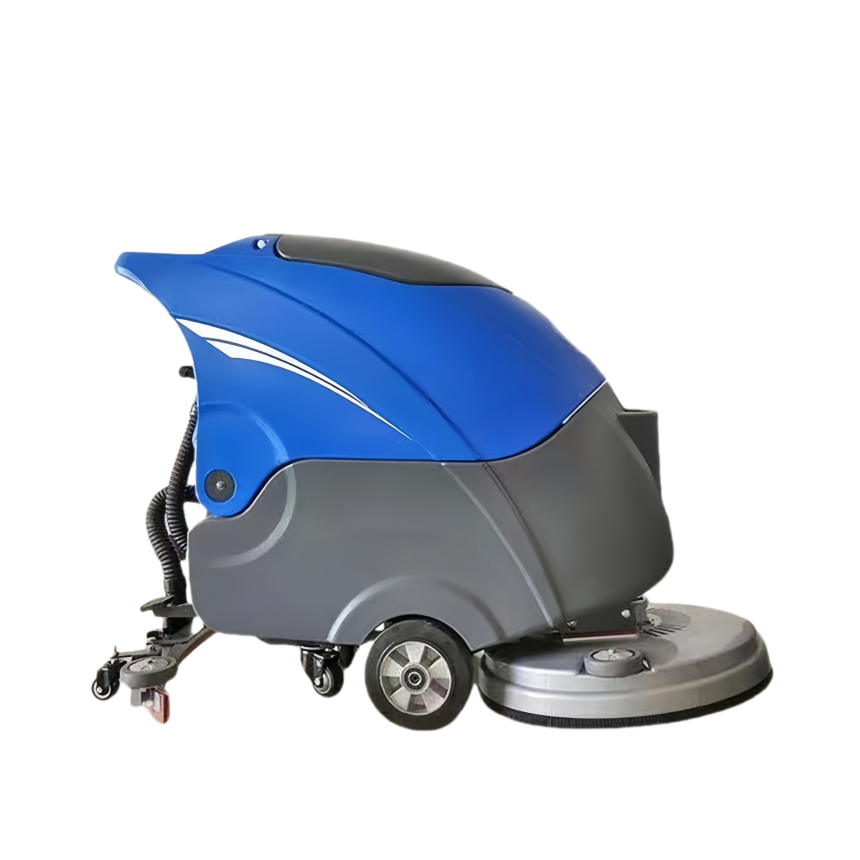
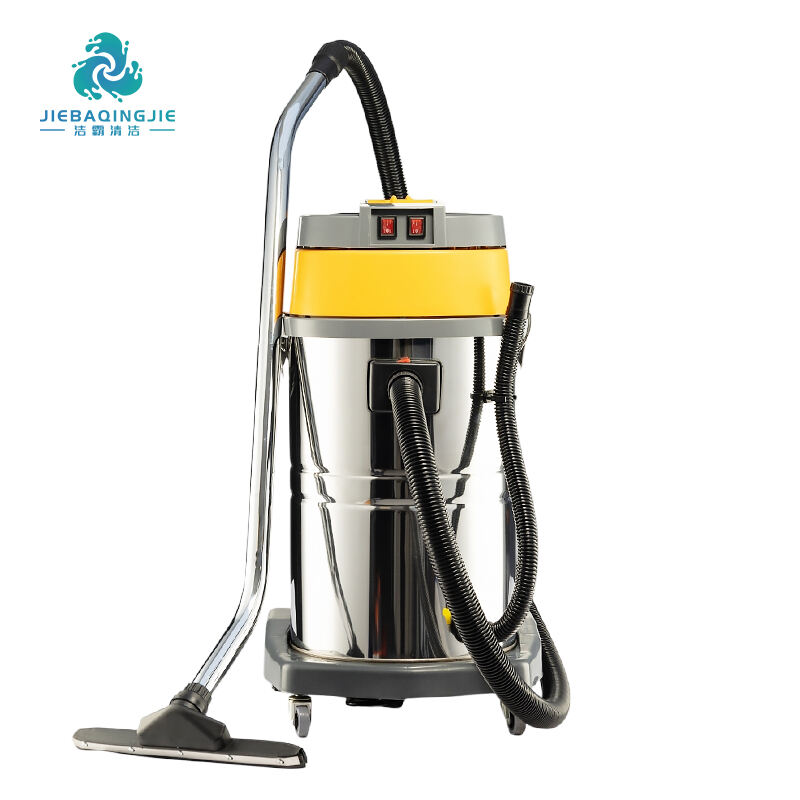
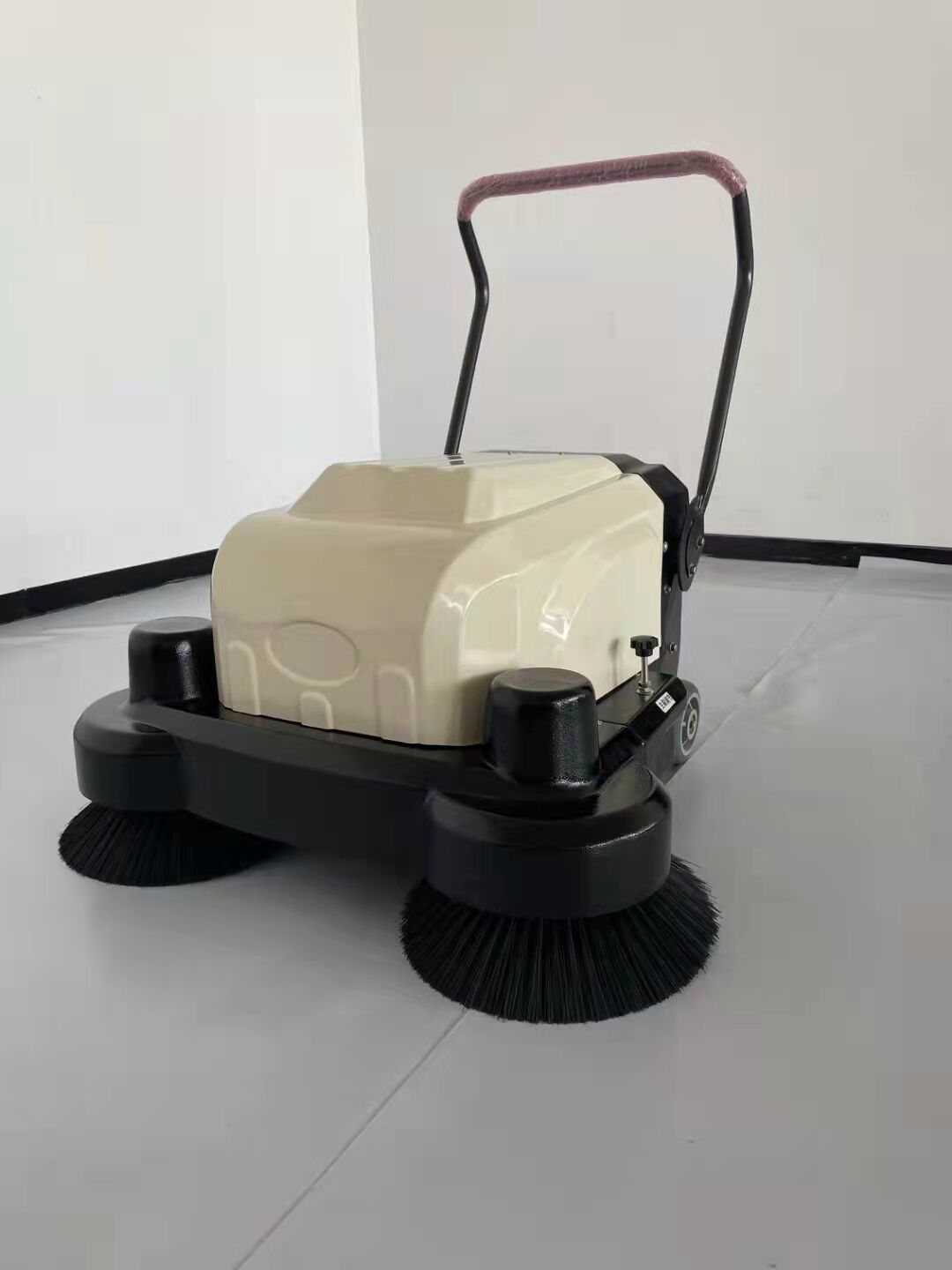
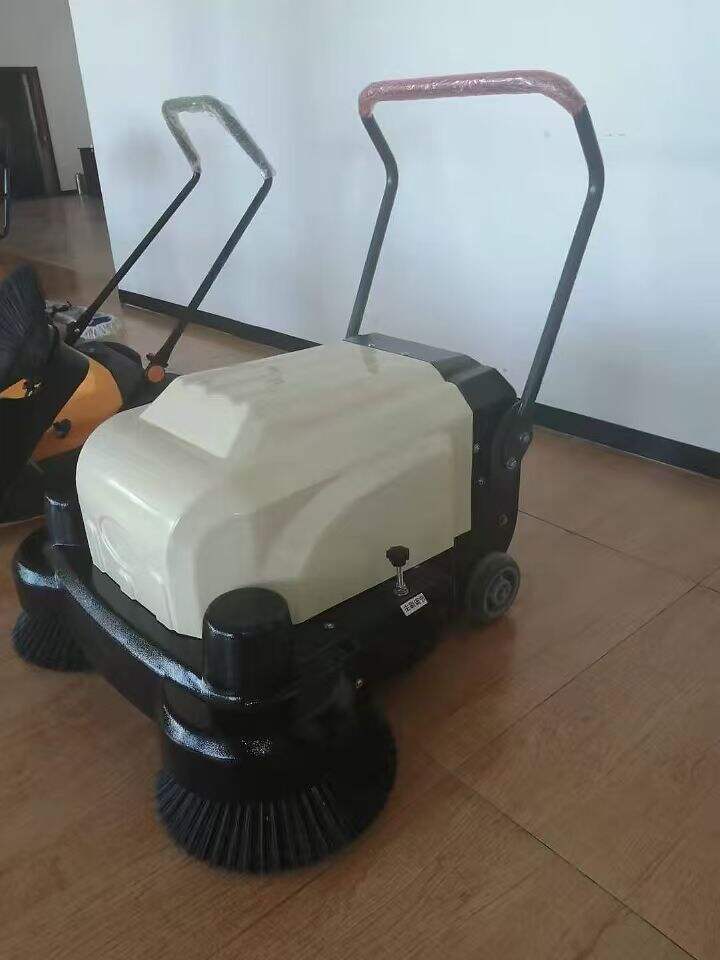
Electric sweepers represent the pinnacle of sustainable cleaning technology, combining zero-emission operation with advanced mechanical systems for superior debris removal. These machines utilize sophisticated brush configurations that adapt to surface contours while maintaining constant contact pressure, combined with high-volume vacuum systems for complete dust control. The automotive manufacturing sector relies on electric sweepers for removing metal particulates, welding debris and general production waste from factory floors, with magnetic options for ferrous material collection. Aerospace facilities employ specialized models with non-marking tires and conductive components for static-sensitive environments. Advanced filtration systems incorporate automatic filter cleaning mechanisms that maintain optimal airflow during extended operation, particularly valuable in high-dust environments. Distribution centers utilize rider-type electric sweepers with efficient path planning algorithms that maximize coverage while minimizing energy consumption. The education sector implements battery-powered sweepers for maintaining large campus facilities without disrupting academic activities through reduced noise profiles. Airport maintenance crews depend on all-electric sweepers for removing FOD, rubber deposits and de-icing fluid residues from operational areas. Specialized models for food processing facilities feature hygienic design principles with smooth surfaces, quick-disconnect components and washdown capability. Municipal street sweeping operations benefit from zero local emissions and significantly reduced operational costs compared to traditional alternatives. Modern designs incorporate ergonomic operator interfaces with intuitive controls, real-time performance data and automated system diagnostics. The hospitality industry employs compact electric sweepers for convention center maintenance between events, with rapid battery exchange systems ensuring continuous availability. Manufacturing facilities with sensitive electronic equipment appreciate the absence of electromagnetic interference from electric powertrains. Technological advancements include regenerative braking, automated maintenance scheduling and cloud-connected fleet management. The retail sector values the customer-friendly operation that allows cleaning during business hours without discomfort. Global sustainability initiatives continue to drive innovation in battery technology, charging infrastructure and energy management systems for enhanced performance and reduced environmental impact.