EN
EN

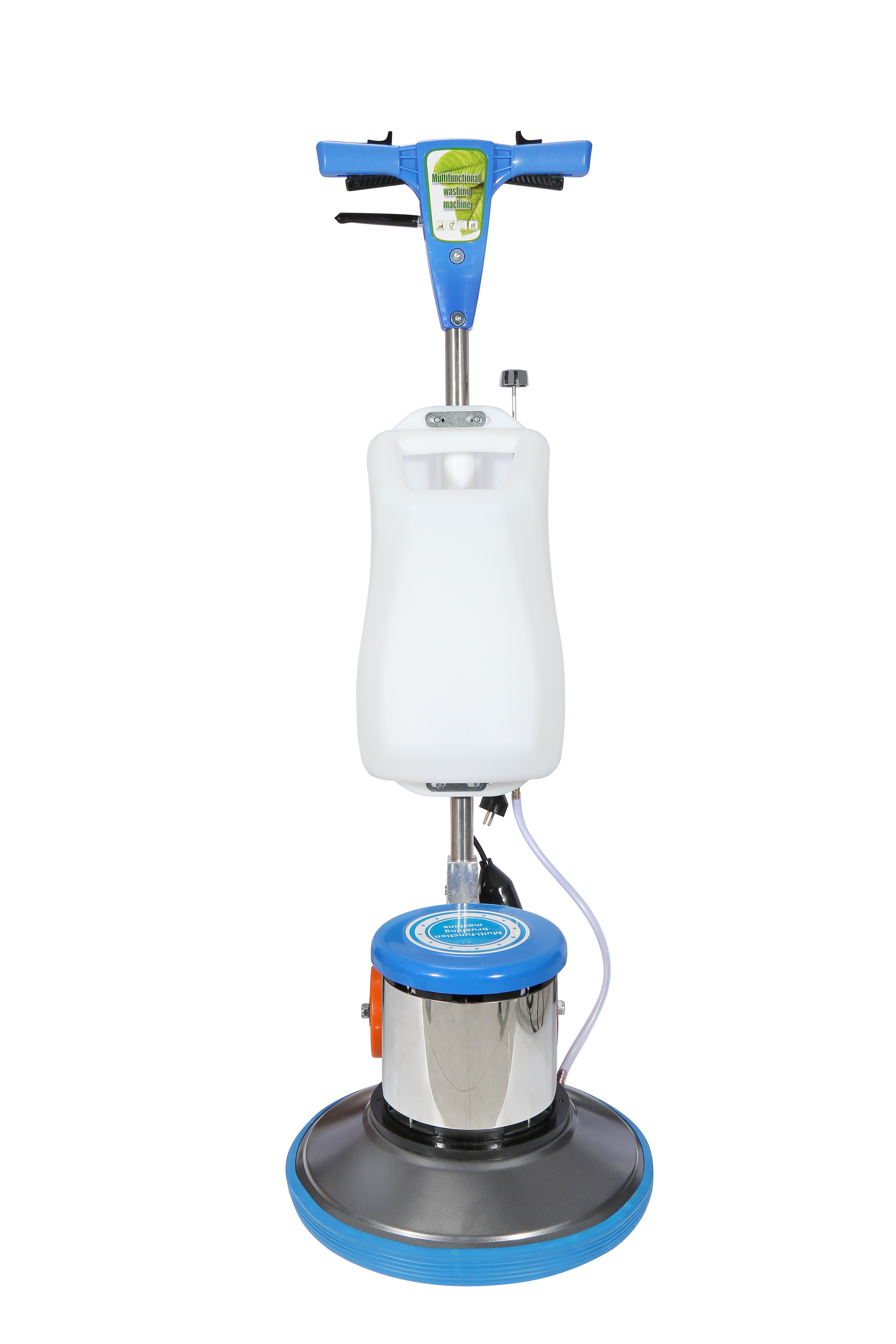
Preparation and Safety Measures Before Operating Floor Polishers
Proper preparation ensures your floor polisher delivers professional results while minimizing workplace hazards. Over 37% of polishing-related injuries stem from inadequate pre-use inspections (Occupational Safety Council 2023), making these protocols non-negotiable.
Preparing Floors Before Polishing for Optimal Results
Remove all furniture and debris, then vacuum thoroughly to eliminate abrasive particles. Residue-free surfaces improve polish adhesion by 58% (Industry studies). For porous materials like travertine, apply pH-neutral cleaners to prevent etching before polishing.
Essential Safety Gear and Workspace Setup
Operators must wear ANSI-certified eyewear, cut-resistant gloves, and non-slip shoes with reinforced toes. This combination reduces slip-and-crush accidents by 81% (2024 safety analysis). Secure electrical cords to walls using hooks to prevent tripping and ensure clear pathways around the work area.
Checking Floor Polisher Components Before Startup
Inspect the pad driver for wobble, test emergency stop buttons, and verify brush RPM matches manufacturer specifications. Replace pads showing more than 3mm thickness variation to avoid uneven wear and surface damage.
Selecting the Right Machine Settings Based on Floor Condition
Delicate surfaces like vinyl require 200–400 RPM with less than 15 lbs of downward force, while terrazzo can handle 1,200–1,500 RPM. Always test settings in inconspicuous areas before full-scale polishing to assess surface response.
Choosing the Right Floor Polisher and Accessories for Your Surface Type
Comparing Rotary, Orbital, and Dual-Action Floor Polishers
The kind of flooring determines what sort of polisher makes sense. Rotary polishers spin fast (around 500 to 3,000 RPM) and work great on tough stuff like old vinyl or industrial concrete floors. But watch out they can burn up delicate surfaces if not handled right. Orbital polishers move in random patterns (about 2,000 to 7,000 oscillations per minute) and leave behind smooth finishes without those annoying swirl marks, especially good for wood and laminate floors. There are also hybrid models that mix the power of rotary action with the gentle touch of orbital movement. These dual action polishers have become pretty popular among people managing commercial properties with different types of flooring throughout the building. Industry reports indicate that roughly two thirds of facility managers now go for these combined units when dealing with multiple surface materials across their premises.
Matching Buffer Types to Floor Materials and Project Scale
Buffer power should align with material hardness and area size:
| Surface Type | Recommended Buffer | Project Scope |
|---|---|---|
| Soft wood/tile | Orbital (≤1.5 HP) | ≤5,000 sq. ft. |
| Hard marble/concrete | Rotary (≥2.5 HP) | ≥10,000 sq. ft. |
For heritage wood or epoxy coatings, low-torque orbital buffers prevent surface degradation while effectively removing scuffs.
Choosing the Right Pad Color and Material for Wood, Marble, and Tile
Pad selection directly affects gloss levels and surface safety:
- Wood: Tan or white polyester pads (100–150 grit) for final polishing
- Marble: Blue diamond-embedded pads (3,000+ grit) for scratch-free brilliance
- Vinyl: Red nylon pads with micro-textured surfaces to avoid plasticizer leaching
Use abrasive black or green pads only on cured concrete or terrazzo requiring heavy grinding.
Matching Cleaning Solutions to Floor Polisher Type and Surface Sensitivity
Solution viscosity must match your machine’s spray mechanism:
- Rotary polishers: High-foam alkaline cleaners (pH 10–12) for grease removal
- Orbital buffers: Low-moisture wood cleaners (≤15% water content) to prevent warping
- Dual-action: Neutral pH (6.5–7.5) solutions compatible with stone sealers
For delicate surfaces like travertine, specialized formulas reduce chemical etching risks by 83% compared to generic cleaners.
Step-by-Step Operation of a Floor Polisher for Professional-Quality Finish
Step-by-Step Operation: From Plug-In to Motion Start
First things first, sweep or vacuum away any dirt and grime from the floor surface. Make sure everything on the polisher itself is fastened properly so nothing comes loose while operating. When attaching the polishing pad, use whatever locking system came with the machine from the factory - a little wobble can ruin your whole job later on. Always connect to an outlet that has proper grounding for safety reasons. Give that trigger button a quick press at slow speed just to see if it responds correctly. According to recent maintenance data showing around one third of all equipment problems happen right when starting up, take extra time to check where exactly the pad sits relative to the floor and make certain those power cords aren't going to get caught anywhere as soon as we kick things into high gear.
Correct Posture and Handle Positioning to Reduce Operator Fatigue
When getting ready to operate, stand so that your feet are about as wide as your shoulders, bend those knees just a little bit, and grab both handles at around waist level. Make sure the weight is spread out across both feet. People often lean forward when they shouldn't, and according to the National Floor Care Institute from last year, this accounts for roughly 41% of all injuries related to these machines. For better balance while working, put the hand that's usually stronger on the speed controller and the other one on the steering handle. Most experienced operators find this setup works best in practice situations.
Proper Way to Hold a Floor Polisher and Control via Handle Movements
Use a palms-down grip with thumbs wrapped securely around the handles. Tilt the machine backward at a 15° angle when moving between zones, then lower gently until the pad makes full contact. Apply forward pressure through your legs rather than arms to minimize fatigue and maintain consistent motion.
Starting Point and Working Direction for Uniform Coverage
Start at the corner furthest away from where most people stand when entering a room. Work the polisher across the floor in straight lines that run along the wall direction or the wood grain if it's hardwood. Make sure each pass overlaps about half of the previous one so nothing gets left behind. When dealing with really big areas, say anything bigger than a thousand square feet, break it down into smaller chunks around ten feet by ten feet. Painter's tape works great for marking these off visually, making it easier to keep track of what's been done versus what still needs attention.
Polishing Techniques for Hardwood: Overlapping Motions and Speed Settings
| Technique | Speed Range | Pressure Level | Pass Count |
|---|---|---|---|
| Initial Cut | 1,200–1,500 RPM | Moderate | 2–3 |
| Intermediate Polish | 900–1,100 RPM | Light | 3–4 |
| Final Gloss | 400–600 RPM | Minimal | 1–2 |
Adjust based on wood hardness–softer species like pine need lower speeds to prevent swirling. Crosshatch patterns at 45° angles enhance scratch removal on aged floors.
Achieving High Shine on Marble and Stone With Low-Abrasion Pads
Use diamond-embedded pads below 1,000 grit on natural stone, maintaining surface temperatures under 110°F (43°C) to prevent crystallization damage. Research indicates that 800 RPM with 20 lbs of downward force optimizes marble reflectance without etching. Cool surfaces with misting bottles between passes if needed.
Buffing Techniques for Vinyl and Tile Without Damaging Grout Lines
Use oscillating machines with soft foam pads (≤3” thick) for synthetic surfaces. Angle the polisher 5° toward grout lines to prevent solution buildup, using forward-reverse motions every 6–8 feet. On textured tiles, reduce speed by 30% and increase pass overlap to 75% for uniform results.
Maintaining Consistent Shine and Avoiding Common Polishing Mistakes
The Science Behind Overlapping Passes in Achieving Even Reflectivity
Overlapping passes create uniform friction patterns essential for even shine. A 50–75% overlap is recommended, with 60% shown to retain 32% more gloss after six months than irregular patterns. This compensates for floor inconsistencies and machine vibration, especially critical when using rotary floor polishers on porous materials like travertine.
Adjusting Polisher Speed Based on Floor Response and Ambient Conditions
For hardwood floors, slower speeds between 175 and 300 RPM work better since going too fast can cause scorch marks. Marble is tougher though, handling speeds around 450 to 600 RPM which helps achieve that nice crystal finish. When humidity gets over 65%, most folks find they need to cut down their speed by about 15 to 20% just to keep solutions from splashing everywhere during the process. Keep an eye out for what some call the "snow globe effect" where tiny particles float in the air - this usually means everything is activated properly. Busy spots really respond well to a two step approach: first pass at around 200 RPM for basic cleaning, then bump it up to 500 RPM for that final glossy touch. Works great in most cases anyway.
Common Mistakes in Buffing That Lead to Swirl Marks or Dull Patches
Three critical errors cause 78% of polishing defects:
- Insufficient pad changes (using worn pads beyond 200–250 sq. ft.)
- Excessive downward pressure (>15 lbs), risking floor damage
- Re-polishing wet surfaces, leading to microscopic pitting
These mistakes contribute to $740k in annual floor replacement costs (Ponemon 2023). One hospital reduced recoating expenses by 42% after implementing quarterly buffer training focused on error prevention.
Pressure Control and Pass Consistency Across Different Resilient Floors
Apply light pressure on resilient floors: 3–5 lbs for vinyl to prevent indentation, 10–12 lbs for terrazzo to support crystallization. Recommended parameters include:
| Floor Type | Recommended Passes | Speed Range |
|---|---|---|
| LVT | 2–3 | 150–200 RPM |
| Concrete | 4–6 | 300–400 RPM |
| Epoxy | 3–4 | 250–300 RPM |
Maintain handle height at hip level–most operators develop consistent pressure within 2–3 weeks using this posture. Complete full passes before changing direction to avoid visible seams.
Post-Polishing Care and Floor Polisher Maintenance for Long-Term Efficiency
Cleaning Pads and Storing Solutions After Each Use
Remove pads immediately after use and soak them in warm water with pH-neutral detergent. Forced-air drying preserves integrity, extending synthetic fiber life by 40% compared to natural drying. Store cleaning solutions in labeled, airtight containers–proper storage maintains efficacy for 6–8 weeks versus 2–3 weeks in unsealed conditions.
Inspecting and Servicing Floor Polishers to Extend Lifespan
Conduct monthly inspections of:
- Brush assemblies (replace when <6mm thick)
- Drive belts (check for fraying or glossiness)
- Motor housing vents (clear dust buildup)
Replacing worn components within 50 operating hours prevents 83% of mechanical failures. Lubricate bearings every 200 hours using manufacturer-specified greases.
Best Practices for Storing Machines and Accessories Between Jobs
Store floor polishers upright on rubber-mounted racks to prevent oil seepage into motors. Keep accessories in climate-controlled environments (40–70°F, <60% humidity)–extreme conditions degrade rubber drive wheels three times faster. Use breathable fabric covers instead of plastic to inhibit mold growth.
Industry Insights on Pad Longevity and Solution Efficacy Across Surfaces
Marble requires low-density foam pads (120–150 g/L), replaced every 15–20 uses, while tile tolerates higher-density pads (180–220 g/L) lasting 25–30 cycles. Recent testing shows citric-acid-based solutions outperform traditional alkaline formulas on sealed hardwood, delivering 31% better scratch resistance over six months.
FAQ
Q: What safety gear is essential when operating a floor polisher?
A: ANSI-certified eyewear, cut-resistant gloves, and non-slip shoes with reinforced toes are essential safety gear for operators.
Q: How do you choose the right floor polisher for different surfaces?
A: Rotary polishers are suitable for tough surfaces like concrete, orbital polishers are better for wood and laminate, and dual-action polishers are versatile for multiple surfaces.
Q: What are common mistakes to avoid when polishing floors?
A: Avoid insufficient pad changes, excessive downward pressure, and re-polishing wet surfaces as they lead to polishing defects.
Q: How should one store floor polishers and pads?
A: Floor polishers should be stored upright on rubber-mounted racks, and pads should be cleaned and dried properly before storage to maintain their integrity.
Table of Contents
- Preparation and Safety Measures Before Operating Floor Polishers
- Choosing the Right Floor Polisher and Accessories for Your Surface Type
-
Step-by-Step Operation of a Floor Polisher for Professional-Quality Finish
- Step-by-Step Operation: From Plug-In to Motion Start
- Correct Posture and Handle Positioning to Reduce Operator Fatigue
- Proper Way to Hold a Floor Polisher and Control via Handle Movements
- Starting Point and Working Direction for Uniform Coverage
- Polishing Techniques for Hardwood: Overlapping Motions and Speed Settings
- Achieving High Shine on Marble and Stone With Low-Abrasion Pads
- Buffing Techniques for Vinyl and Tile Without Damaging Grout Lines
- Maintaining Consistent Shine and Avoiding Common Polishing Mistakes
- Post-Polishing Care and Floor Polisher Maintenance for Long-Term Efficiency
- FAQ