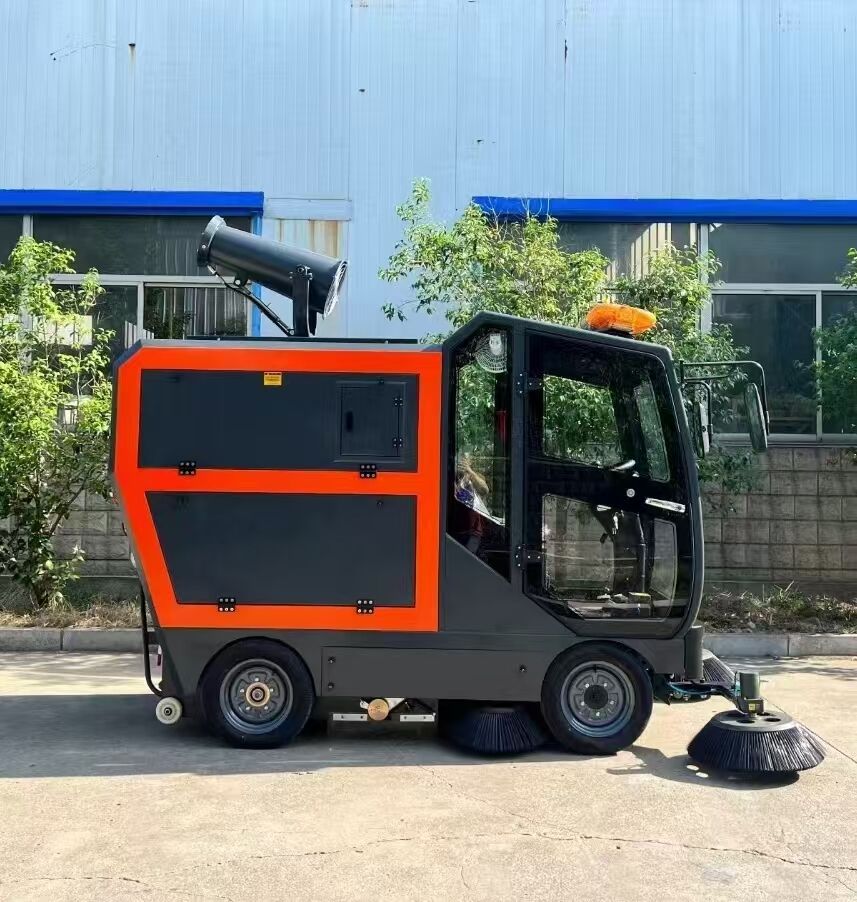
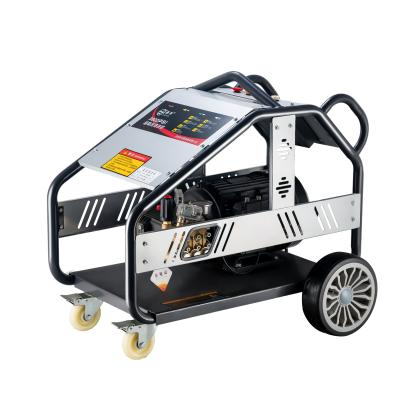
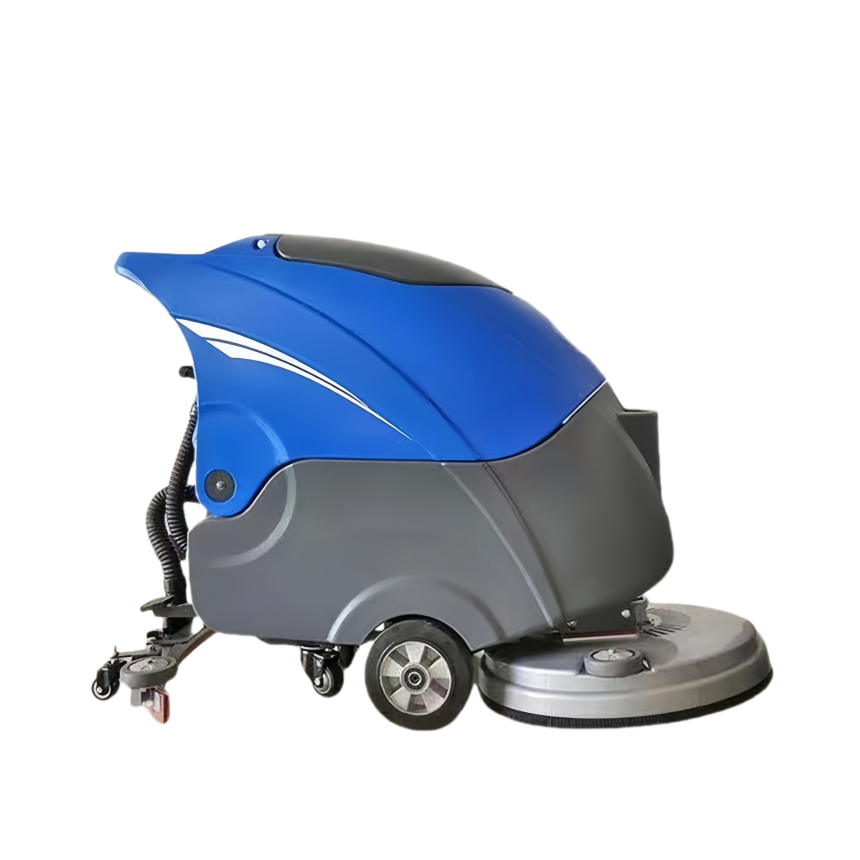
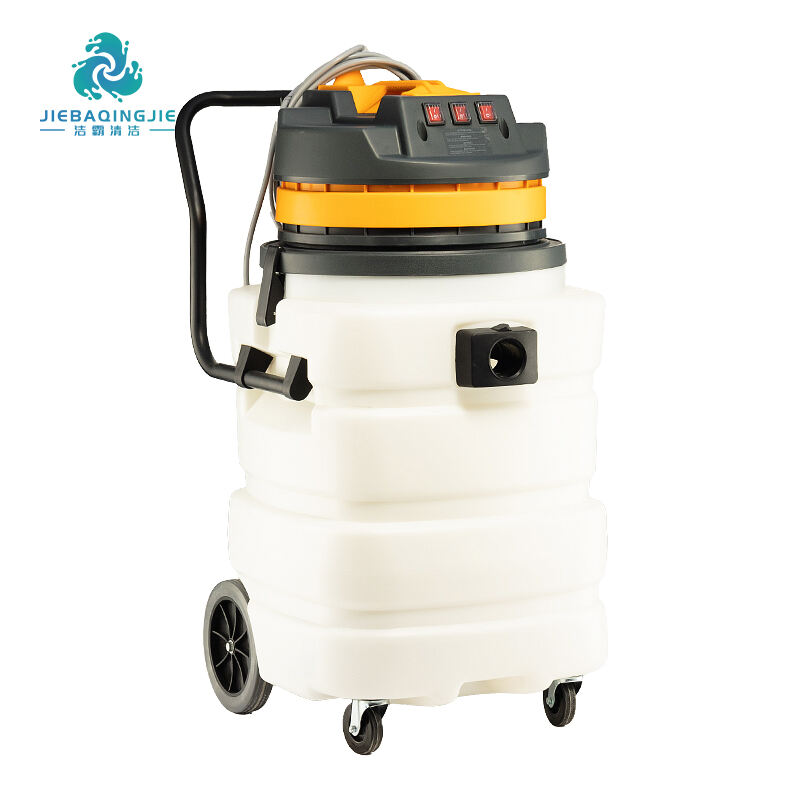
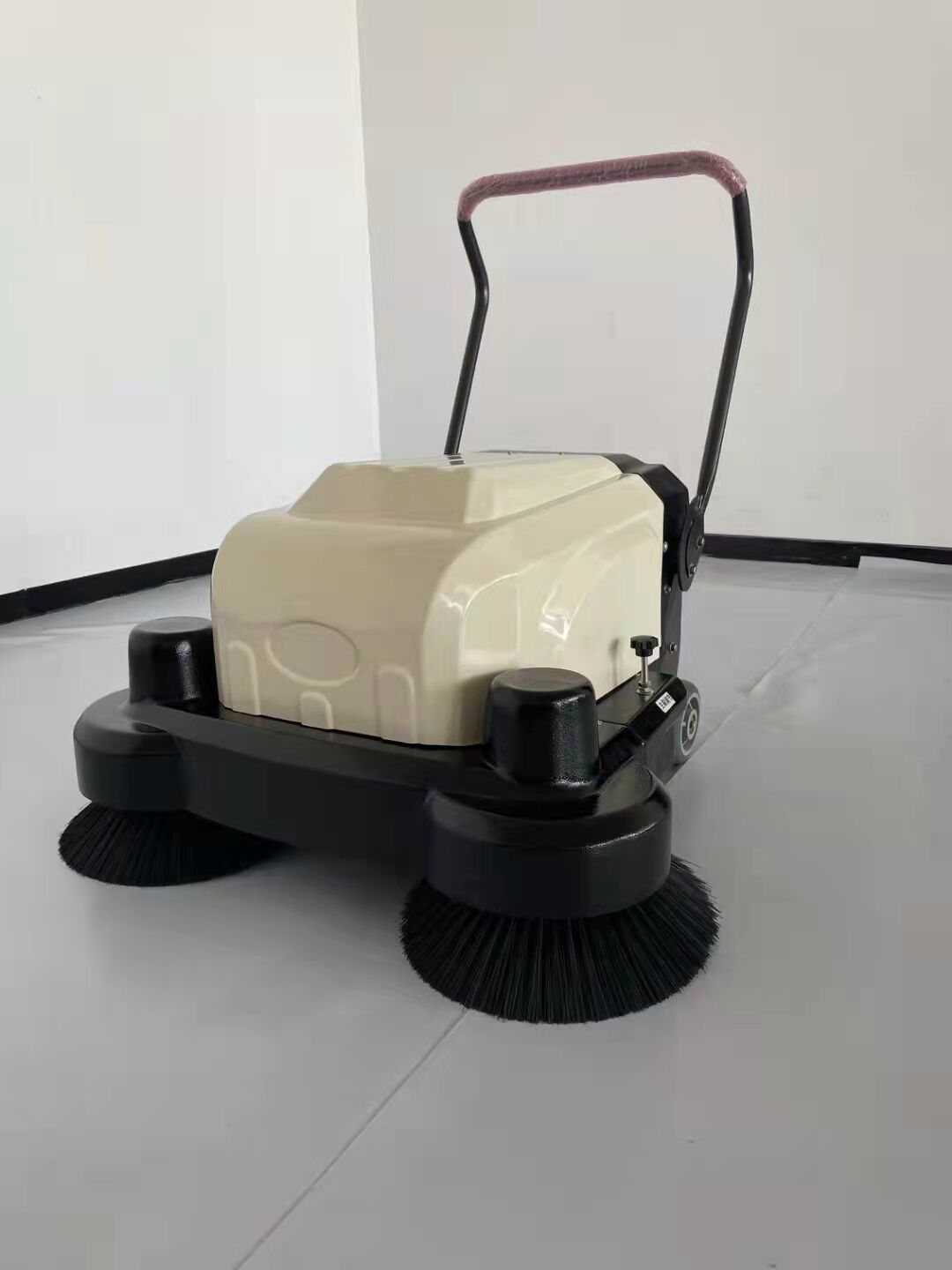
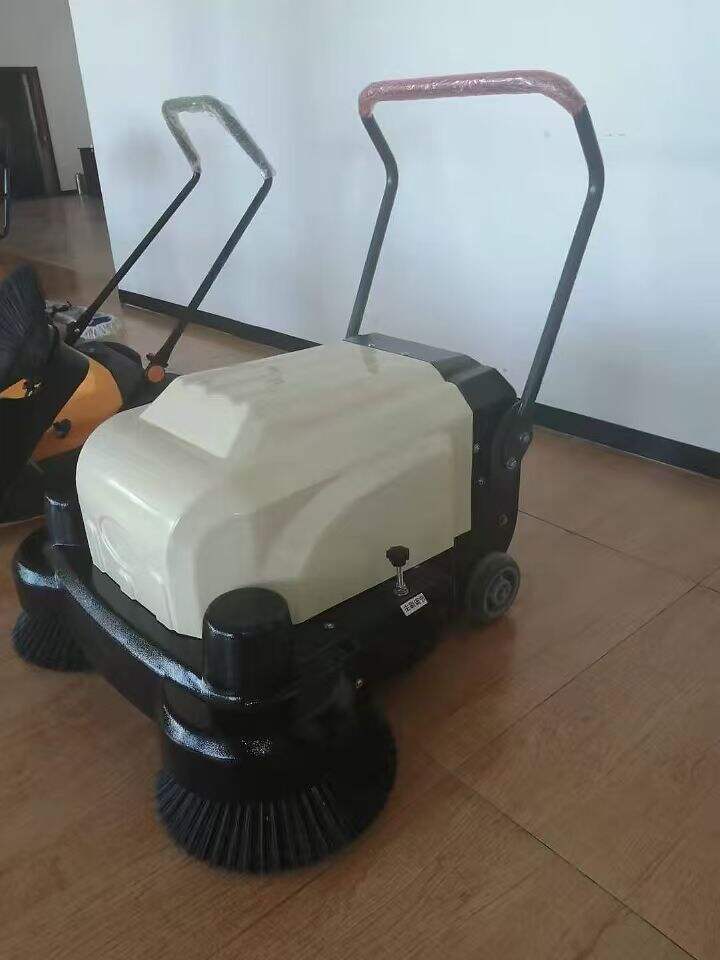
The technological evolution of electric sweepers has transformed them from basic cleaning tools into intelligent facility management systems with sophisticated operational capabilities. These machines incorporate sensor-based debris detection that automatically adjusts brush pressure and suction power according to surface conditions and contamination levels. In pharmaceutical production environments, electric sweepers with certified cleanroom compatibility maintain stringent particulate control standards through H14 HEPA filtration and stainless steel construction. The electronics manufacturing industry utilizes ESD-protected electric sweepers that prevent static discharge damage to sensitive components during production area cleaning. Advanced battery technology including opportunity charging systems enables near-continuous operation in distribution centers with minimal downtime. Retail applications include compact walk-behind models that maneuver through crowded spaces while effectively collecting everything from fine dust to larger debris. Specialized facilities with sensitive flooring employ electric sweepers with non-marking wheels that prevent surface damage during cleaning operations. The food processing sector benefits from USDA-approved designs with smooth surfaces, quick-disconnect brushes and complete washdown capability for rigorous sanitation protocols. Airport maintenance crews utilize multi-function electric sweepers that combine sweeping, vacuuming and scrubbing in single operations between flight schedules. Modern units feature automated battery management systems, regenerative braking and thermal controls for extended component lifespan. Industrial plants with concrete floors appreciate dual-brush systems that effectively remove embedded dirt from porous surfaces while containing dust through integrated spray systems. The manufacturing sector values the environmental benefits of zero emissions and significantly reduced noise levels compared to combustion alternatives. Technological innovations include GPS tracking for municipal fleet management, automated dumping systems that eliminate manual debris handling and predictive maintenance algorithms. The hospitality industry employs ultra-quiet electric sweepers for hotel corridor cleaning during daytime hours without guest disruption. Specialized models for construction site cleanup feature enhanced filtration for concrete dust and heavy-duty brushes for rough surface conditions. The economic advantages extend beyond direct operational savings to include reduced HVAC filter replacement costs and improved indoor air quality compliance. Global regulatory trends toward industrial equipment electrification continue to drive innovation in battery capacity, charging infrastructure and smart management solutions.