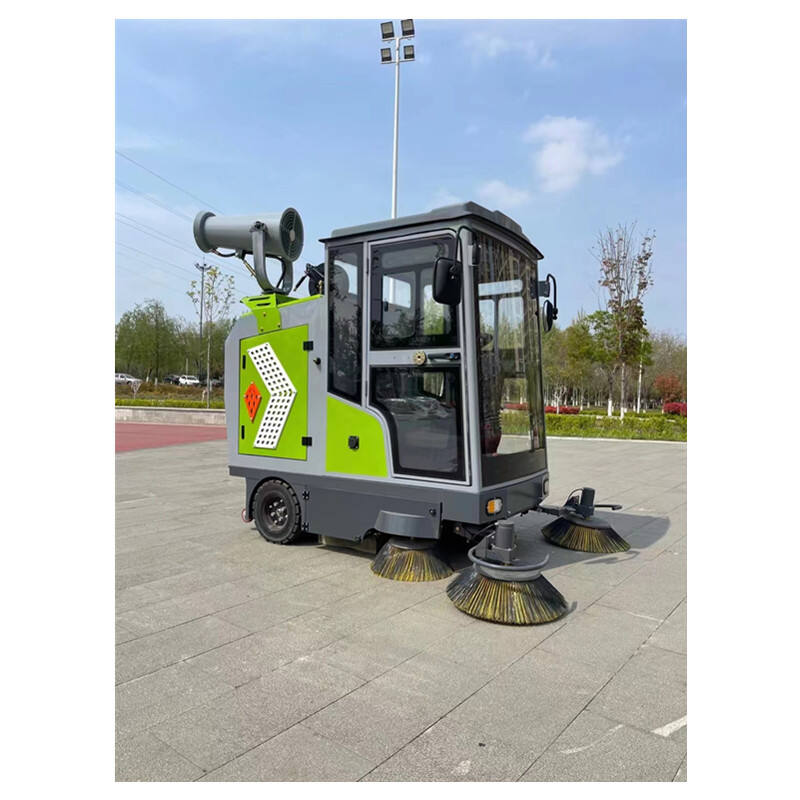
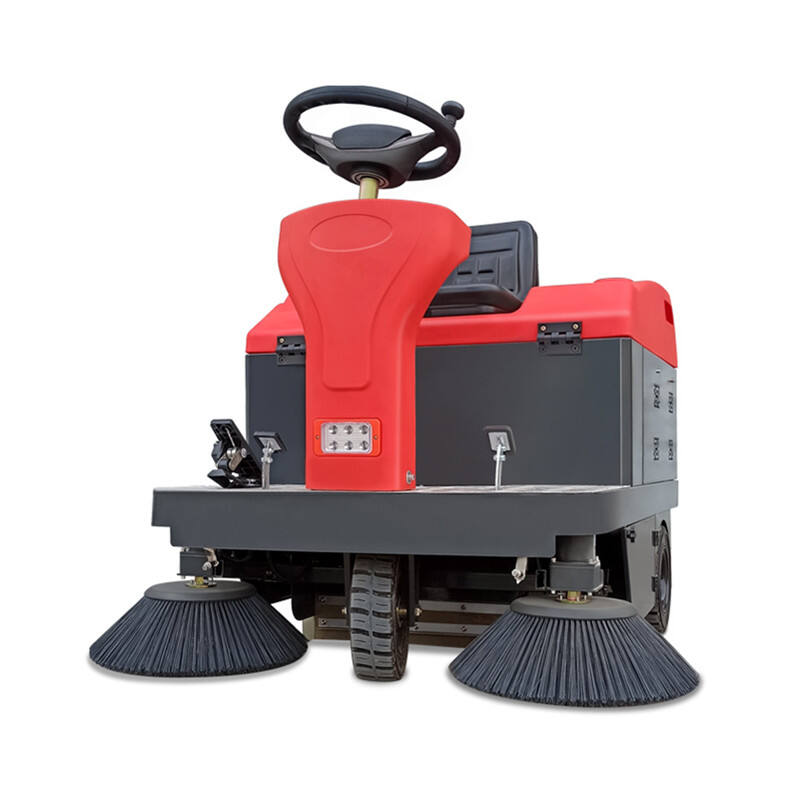
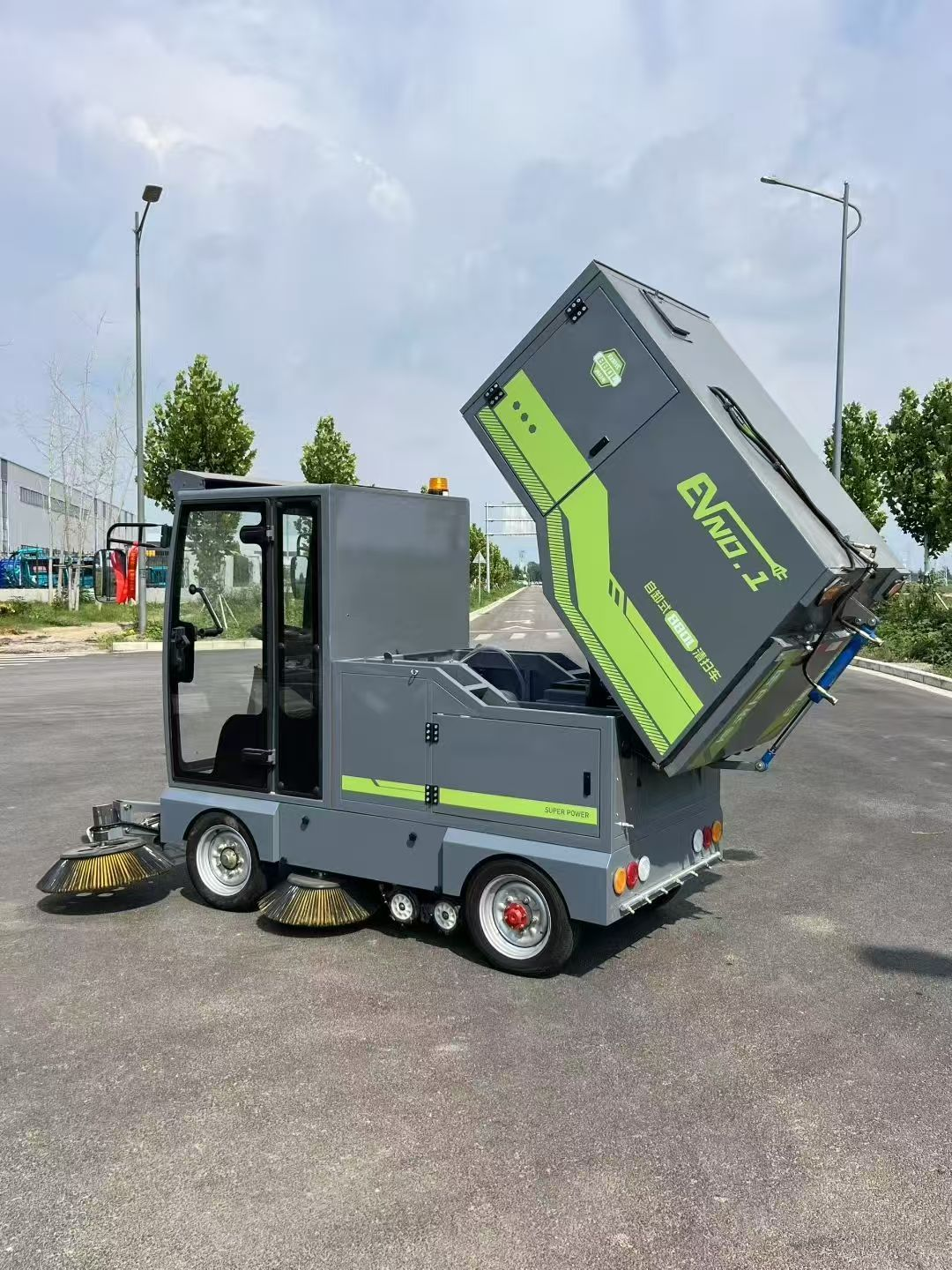
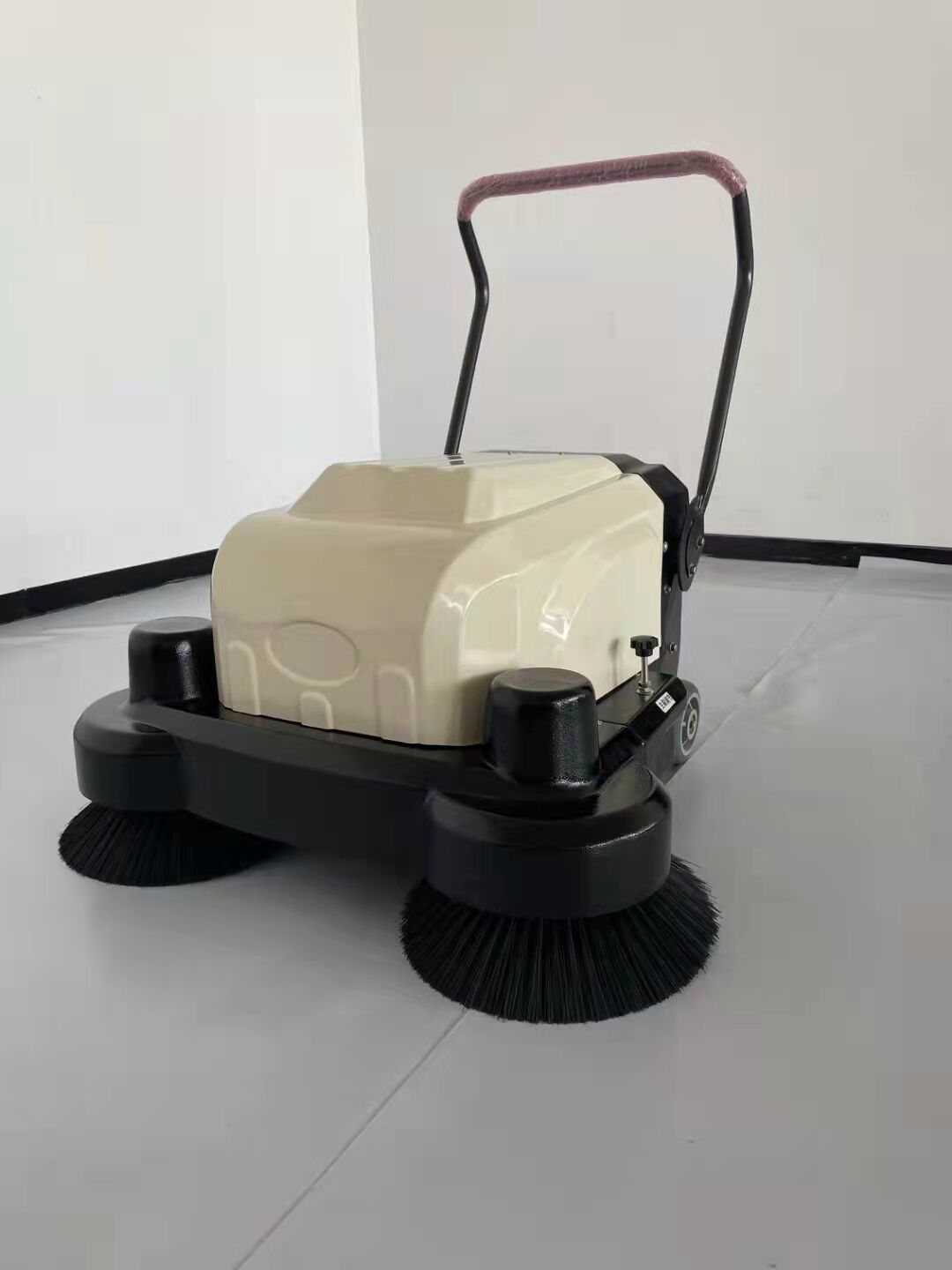
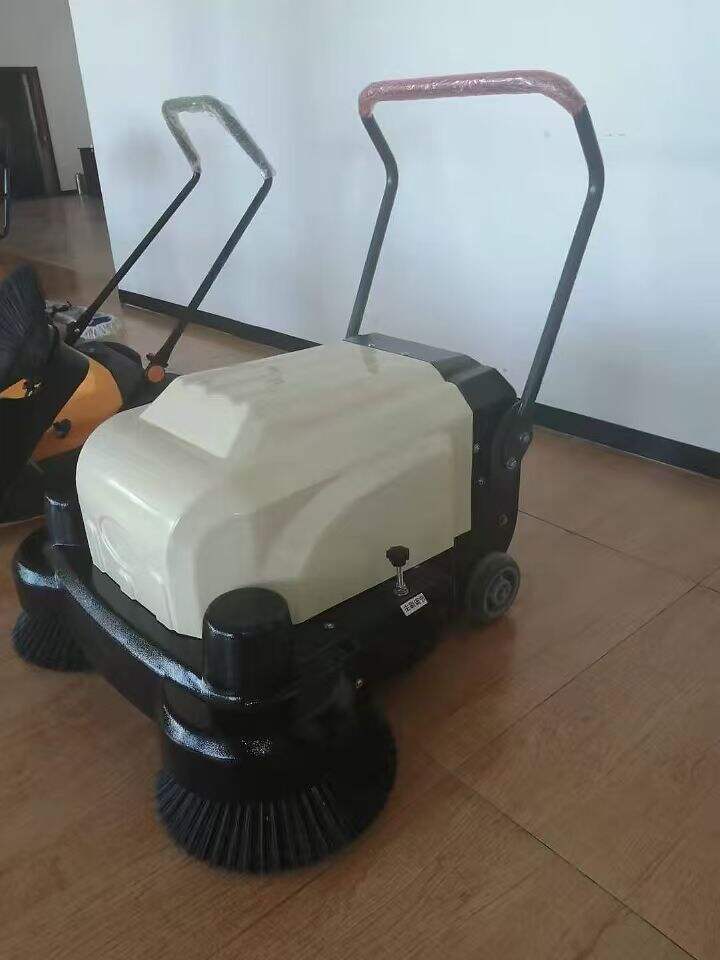
Electric sweepers represent the convergence of cleaning efficiency and environmental sustainability in modern facility maintenance. These systems employ advanced brush technology with individually suspended segments that maintain optimal contact with uneven surfaces, combined with high-volume vacuum systems for complete debris capture. The automotive industry utilizes explosion-proof electric sweepers for paint booth maintenance where flammable vapor areas require specially certified equipment. Manufacturing facilities with robotic work cells employ compact electric sweepers that navigate between equipment while collecting metal shavings, plastic granules and production debris. Advanced filtration systems incorporate primary cyclone separation, secondary cartridge filtration and final HEPA stages for comprehensive particulate control. Warehouse operations benefit from rider-type electric sweepers with articulated steering for exceptional maneuverability in narrow aisles, featuring high-capacity hoppers that reduce dumping frequency. The retail sector implements whisper-quiet electric sweepers for daytime cleaning without disrupting shopping experiences, with specially designed brushes that effectively clean both hard surfaces and low-pile carpeting. Airport authorities deploy all-electric sweepers for apron cleaning where fuel spills, rubber deposits and FOD present constant challenges. Technological innovations include laser-assisted debris detection systems, automated obstacle avoidance and cloud-connected performance monitoring. The healthcare sector utilizes hospital-grade electric sweepers with medical-grade filtration and antimicrobial surface treatments for infection control compliance. Municipal applications include pedestrian precinct cleaning where zero emissions and low noise profiles are regulatory requirements. Modern designs incorporate human factors engineering with adjustable handlebars, intuitive control layouts and vibration-dampening systems for operator comfort during extended shifts. The manufacturing sector appreciates the reduced thermal load compared to combustion engines, particularly in climate-controlled production environments. Specialized models for woodworking facilities feature spark-resistant construction and enhanced filtration for fine wood dust. The economic analysis includes total cost of ownership calculations that demonstrate superior ROI through energy efficiency, reduced maintenance and extended equipment lifespan. Global market trends indicate accelerating adoption driven by sustainability initiatives, regulatory compliance and advancing battery technology that continues to improve operational range and performance.