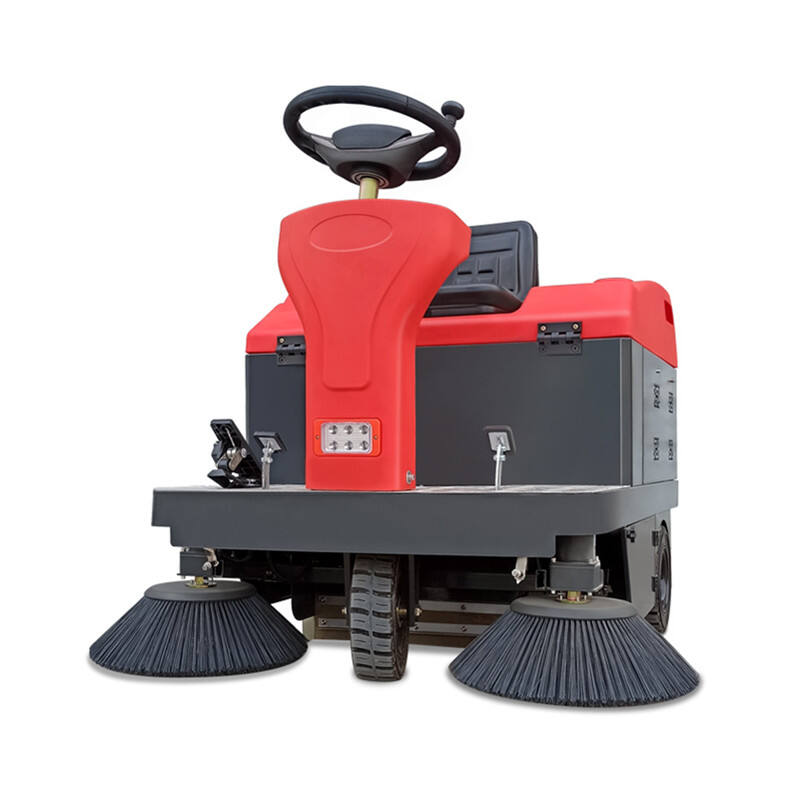
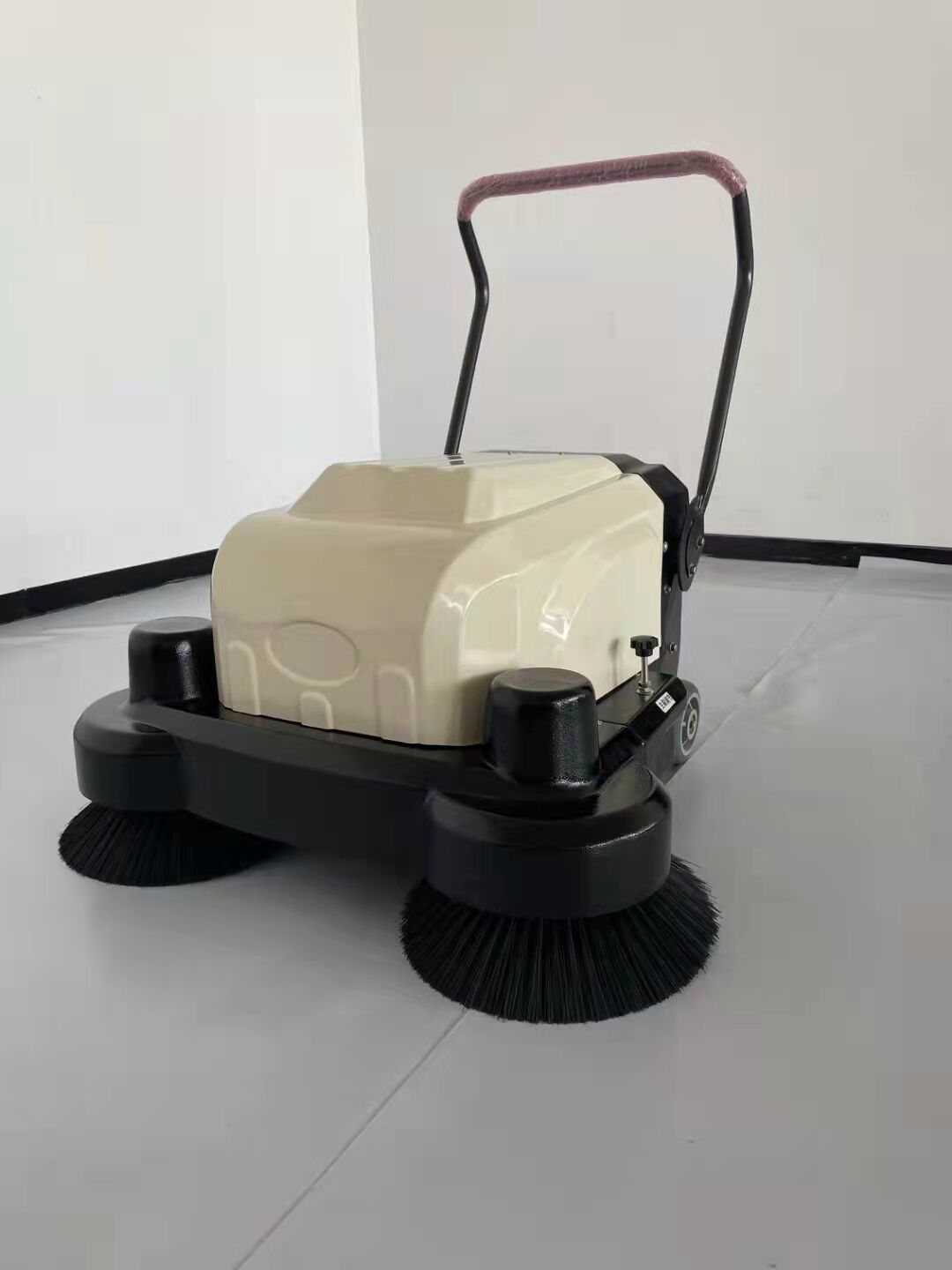
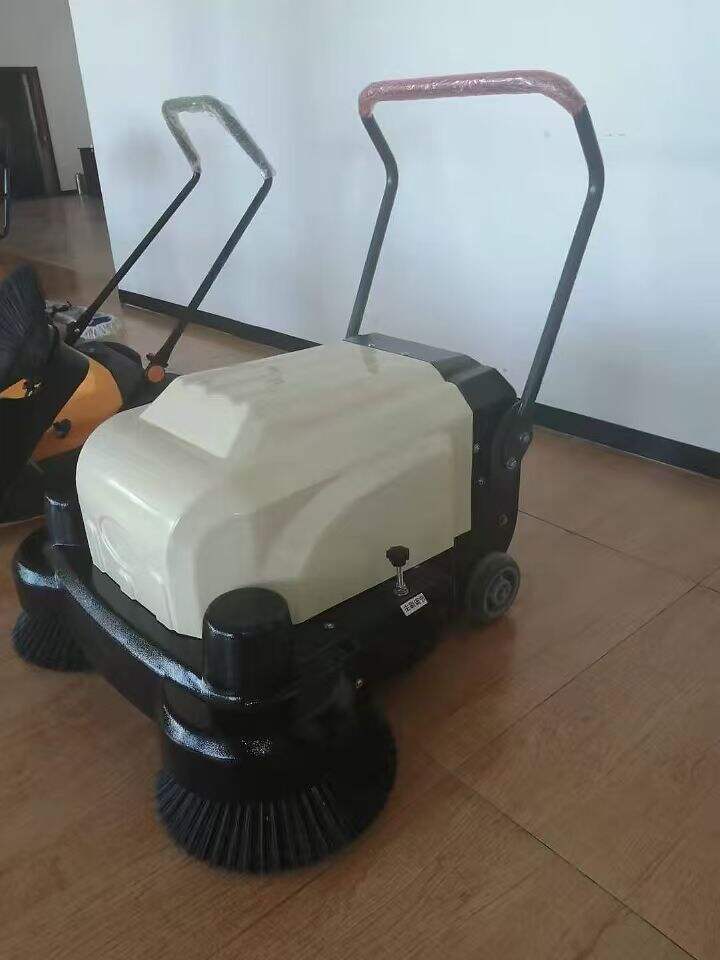
Industrial electric sweepers have evolved into sophisticated cleaning systems that integrate mechanical sweeping, vacuum filtration and debris containment in single-pass operations. These machines feature variable-speed brush motors that adjust to different surface types and debris loads, combined with cyclonic separation technology for maintaining constant suction power. The automotive manufacturing sector relies on electric sweepers for removing welding spatter, metal dust and plastic trim debris from production floors, with magnetic attachment options for ferrous material collection. Aerospace component manufacturers utilize specialized electric sweepers with non-marking tires and conductive brushes for static-sensitive assembly areas. Advanced filtration systems in modern units include automatic filter cleaning mechanisms that pulse compressed air through filter media at programmed intervals, ensuring consistent performance during extended cleaning cycles. Large distribution centers employ rider-type electric sweepers capable of covering over 100,000 square feet per hour, with onboard weighing systems that track debris collection for waste management reporting. The education sector implements battery-powered sweepers for maintaining gymnasiums and corridors during school hours without generating disruptive noise levels. Technological integration includes IoT connectivity for remote monitoring of machine performance, maintenance scheduling and operational efficiency analytics. Specialized applications include port terminal operations where sweeping units feature enhanced corrosion protection for maritime environments. The textile industry benefits from electric sweepers with static-neutralizing systems that prevent fabric dust from adhering to machinery and finished products. Municipal street sweeping operations in environmentally sensitive areas utilize all-electric sweepers with water spray systems for dust suppression without contaminating stormwater runoff. Modern designs incorporate ergonomic operator interfaces with touchscreen controls, real-time performance data and automated system diagnostics. The hospitality industry employs compact electric sweepers for convention center maintenance between events, with quick-change battery systems ensuring continuous availability. Manufacturing facilities with LEED certification priorities utilize electric sweepers as part of their sustainable operations strategy, contributing to points for indoor environmental quality and energy optimization. The maintenance advantage of electric powertrains includes fewer moving parts, reduced vibration and elimination of exhaust system servicing. Custom configurations address specific industrial challenges such as high-temperature environment operation or specialized debris recovery requirements. The economic analysis of electric sweeper implementation demonstrates return on investment through reduced energy costs, lower maintenance expenditures and improved worker productivity in cleaner environments.