EN
EN

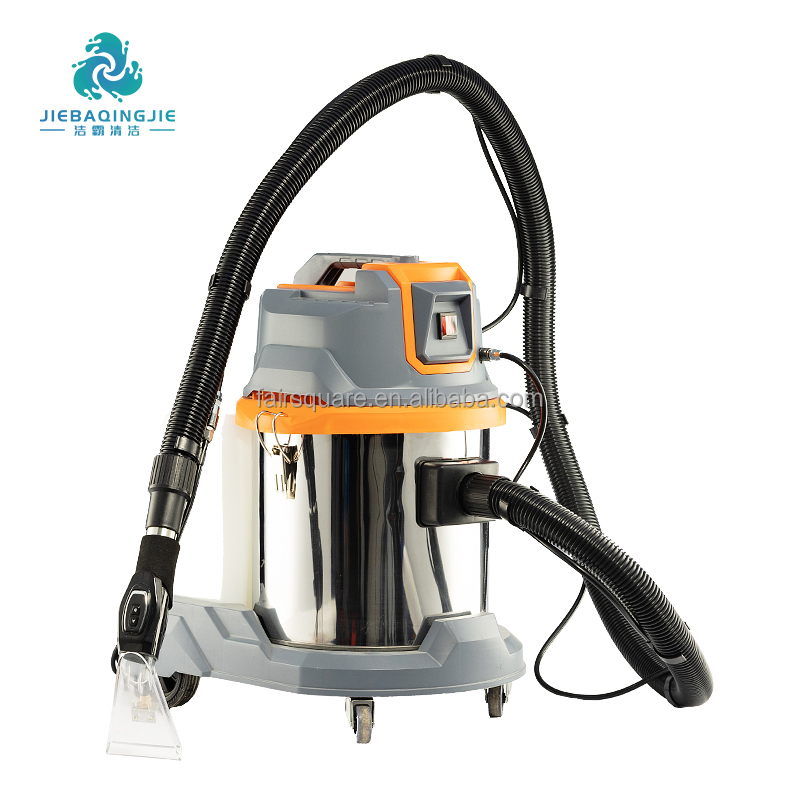
Understanding Commercial Carpet Cleaning Machines for Hotels
What Is a Carpet Cleaning Machine and How It Works
Carpet cleaning machines are basically heavy duty tools meant to tackle stubborn dirt, stains, and those pesky allergens that get embedded in hotel carpets over time. Most work by blasting hot water mixed with cleaning agents into the carpet fibers, followed by powerful suction to pull out all the gunk. The commercial grade versions dry much quicker than what homeowners typically have access to because they pack stronger vacuums and maintain better temperature control during operation. This makes all the difference for hotel maintenance staff who need rooms ready for guests again within hours rather than days after cleaning.
Types of Commercial-Grade Carpet Extractors Used in Hotels
Hotels typically deploy three systems:
- Truck-mounted extractors: For large-scale cleaning in convention halls or lobbies
- Portable units: Maneuverable machines for guest rooms and corridors
- Low-moisture systems: Minimize drying time to under 2 hours (industry standard for 4-star properties)
The latest commercial-grade carpet extractors feature 60L–80L tanks and 2000W motors, enabling teams to clean 15–20 rooms per shift without refills.
Key Features and Specifications of Professional Carpet Cleaning Equipment
| Feature | Hotel Industry Requirement | Benefit |
|---|---|---|
| Tank Capacity | 60L minimum | Reduces refill interruptions |
| Noise Level | ≤70 dB | Allows daytime cleaning without disruption |
| Heat Control | 150°F–210°F adjustable | Optimizes cleaning for synthetic vs wool |
| Extraction Power | ≥100" water lift | Removes 97% of moisture in one pass |
Regular maintenance of these systems improves carpet lifespan by 3–5 years, directly impacting guest satisfaction scores and operational costs.
Why Hot Water Extraction Is the Preferred Method in Hotels
Why Steam Cleaning and Hot Water Extraction Are Preferred in Hotels
Most hotels go for hot water extraction cleaning since studies show it gets rid of about 93% more dirt than just wiping the surface (source: Carpet & Rug Institute from 2023). The method works by blasting around 200 to 230 degrees Fahrenheit water deep down into carpet fibers. This heat actually breaks down stubborn stuff like oil stains, kills bacteria, and removes allergens all at once while making surfaces sanitary. Looking at recent data from the hospitality industry, roughly 87% of travelers say they really care about seeing clean carpets when rating their hotel experience. That's probably why nearly all luxury hotels (around 92%) have these hot water extraction machines running every three months or so to keep things looking fresh.
Comparing Hot Water Extraction with Dry and Spot Cleaning Methods
| Method | Cleaning Depth | Drying Time | Pathogen Reduction |
|---|---|---|---|
| Hot Water Extraction | Deep (3"–5") | 8–12 hours | 99.7% (IICRC 2023) |
| Dry Cleaning | Surface | 1–2 hours | 42% |
| Spot Cleaning | Localized | 30 minutes | 15% |
While dry methods allow faster room re-entry, hot water extraction removes 4× more allergens like dust mites and pet dander—critical for hotels accommodating 10,000+ guests annually. The upfront drying time pays off through extended carpet lifespan (8–12 years vs. 4–6 years with dry cleaning).
Effectiveness of Deep Cleaning Using Carpet Cleaning Machines
Commercial carpet cleaners can reach around 350 pounds per square inch of suction power, pulling out all sorts of stubborn stuff stuck deep in carpets. We're talking about bacteria colonies that get cut down to just 2% according to EPA standards, those pesky urine salts hiding in the padding, plus smoke residue left behind after years of guests coming and going. Top quality machines come equipped with three stage filters capable of grabbing tiny particles measuring only 0.3 microns across. To put that into perspective, these are about 150 times tinier than regular human hair strands. For places like beachfront hotels or mountain lodges where sand, snow, and other outdoor debris constantly finds its way inside, having this kind of powerful cleaning equipment makes all the difference in maintaining clean, healthy environments for guests.
Case Study: Impact of Deep Cleaning on Guest Satisfaction in a 4-Star Hotel
A coastal resort implemented quarterly hot water extraction with a certified commercial carpet cleaning machine, yielding measurable results:
- 30% reduction in housekeeping-related guest complaints
- 4.9/5 cleanliness score on OTA platforms (up from 4.2)
- 7% longer average stay due to improved air quality
Guests mentioned “fresh-smelling rooms” and “absence of allergy symptoms” in 68% of post-stay surveys, directly correlating to the hotel’s upgraded cleaning regimen. The property recouped its $12,000 equipment investment within 14 months through reduced carpet replacement costs and premium room pricing.
Step-by-Step Guide to Operating Carpet Cleaning Machines in Hotels
Pre-Cleaning Inspection and Required Equipment and Supplies
Begin by removing furniture and vacuuming the area to eliminate loose debris—hotels with daily foot traffic accumulate 2–4 lbs of dirt per 100 sq. ft weekly (Facility Care Journal 2023). Inspect for stains, discoloration, or wear, documenting pre-existing issues. Gather a commercial-grade carpet cleaning machine, vacuum, non-foaming pre-treatment solutions, and microfiber cloths.
Applying Pre-Treatment Solutions and Setting Up the Machine
Apply enzymatic solutions to high-traffic zones and stains, allowing a 10–15 minute dwell time. Fill the machine’s tanks with hot water (150–200°F) and a low-suds detergent. Adjust suction power and brush speed based on carpet pile density, ensuring settings align with manufacturer guidelines.
Executing the Hot Water Extraction Process Efficiently
Move the machine in slow, overlapping passes to penetrate deep fibers. Limit water intake to 1–1.5 gallons per minute to prevent over-wetting—a leading cause of mold growth in 23% of hospitality settings (Indoor Air Quality Council 2023). Rinse with clean water during final passes to eliminate detergent residue.
Post-Cleaning Procedures: Drying, Odor Control, and Re-Inspection
Deploy industrial air movers to dry carpets within 4–6 hours, reducing microbial risks. Apply hydrogen peroxide-based deodorizers for allergen reduction. Conduct a post-cleaning inspection under bright lighting, addressing missed spots immediately. Establish a re-cleaning schedule every 6–8 weeks for high-traffic lobbies and corridors.
Maintaining Hotel Carpets for Longevity and Cleanliness
Daily and Weekly Carpet Maintenance Routines in Hotels
Keeping hotel carpets in good shape really depends on regular maintenance. When staff vacuum every day using those heavy duty machines with HEPA filters, they actually get rid of about 90% of dirt and grime sitting on top of the carpet. This helps stop tiny bits of sand or grit from scratching the fibers over time. Lobbies where people come and go all day need special attention too. We usually run the vacuum through there two or three times each day. Guest hallways work best when cleaned thoroughly from one side to the other. If someone spills something, getting to it right away with a neutral pH cleaner makes all the difference in keeping stains away. Rotating furniture around once a week and swapping out worn entry mats cuts down on spots where the carpet gets extra worn down by up to half according to some industry research from last year.
Scheduled Deep Cleaning Using Carpet Cleaning Machines
The hot water extraction method works wonders for carpet restoration while keeping the underlying structure intact. Many hotels that switch to quarterly deep cleaning instead of yearly maintenance find their carpets last around 30% longer before needing replacement. These industrial grade cleaners blast out dirt using scalding 200 degree water mixed with green certified cleaning agents at impressive 500 pounds per square inch pressure. The combination breaks down stubborn grime and kills bacteria that regular vacuuming misses completely. Take one four star hotel chain as an example they saw guest satisfaction jump by nearly a quarter when they started scheduling these deep cleans every other month. Their records show that even after five full years of constant foot traffic, those same carpets still felt almost exactly like new to the touch.
Balancing Frequent Cleaning with Carpet Lifespan Preservation
Over-cleaning accelerates fiber breakdown, while under-cleaning risks permanent discoloration. Hotels achieve optimal balance by:
- Conducting monthly wear assessments using fiber magnifiers
- Alternating dry cleaning methods with extraction every 90–120 days
- Installing air scrubbers during drying to prevent moisture damage
Data shows properties using this hybrid approach reduce carpet replacement costs by $18/sq.yd annually while maintaining 98% cleanliness ratings.
Training Hotel Staff to Operate Carpet Cleaning Machines Effectively
Essential Training Modules for Housekeeping Teams
Effective carpet cleaning machine operation begins with structured certification programs. A 2024 hospitality study found that 8-hour training sessions combining hands-on practice with digital modules improved equipment mastery by 35% among hotel staff. Key components include:
- Chemical dilution ratios for different carpet types
- Nozzle pressure adjustments based on fiber density
- Wastewater tank maintenance protocols
Staff completing this training demonstrate 28% faster stain removal capabilities compared to untrained teams.
Safety Protocols and Handling of Professional Carpet Cleaning Equipment
Daily safety checks prevent 91% of equipment-related incidents in hotels according to OSHA guidelines. Mandatory protocols include:
- Testing GFCI outlets before each use
- Verifying water heater temperatures stay below 140°F (60°C)
- Inspecting 15-amp circuits for voltage stability
Quarterly refresher training on chemical handling reduces slip hazards by 40% in high-traffic areas.
Measuring Cleaning Performance Against Hotel Standards
Hotels using digital inspection systems report 23% higher guest satisfaction scores (AAA 2023). Housekeeping supervisors should track:
Drying time consistency (<4 hours post-cleaning)
Post-treatment residue levels via ATP swab tests
Guest complaint frequency per 100 room nights
Properties benchmarking against HSMAI standards achieve 18% longer carpet lifespans while maintaining 4.8/5 cleanliness ratings.
Frequently Asked Questions
How often should carpets in hotels be deep cleaned?
Hotels typically schedule deep cleaning every 3 to 6 months. This frequency ensures carpets remain fresh and free from embedded dirt, allergens, and bacteria.
What is the main advantage of hot water extraction over other methods?
Hot water extraction cleans deeper and more thoroughly, removing up to 99.7% of pathogens while extending the lifespan of hotel carpets. Although drying takes longer, it significantly reduces allergens and maintains carpet quality.
Why are periodic housekeeping trainings important for carpet cleaning?
Periodic trainings improve staff proficiency in operating complex carpet cleaning machines and understanding safety protocols, thus reducing equipment-related incidents and enhancing cleaning efficiency.
Table of Contents
- Understanding Commercial Carpet Cleaning Machines for Hotels
-
Why Hot Water Extraction Is the Preferred Method in Hotels
- Why Steam Cleaning and Hot Water Extraction Are Preferred in Hotels
- Comparing Hot Water Extraction with Dry and Spot Cleaning Methods
- Effectiveness of Deep Cleaning Using Carpet Cleaning Machines
- Case Study: Impact of Deep Cleaning on Guest Satisfaction in a 4-Star Hotel
- Step-by-Step Guide to Operating Carpet Cleaning Machines in Hotels
- Pre-Cleaning Inspection and Required Equipment and Supplies
- Applying Pre-Treatment Solutions and Setting Up the Machine
- Executing the Hot Water Extraction Process Efficiently
- Post-Cleaning Procedures: Drying, Odor Control, and Re-Inspection
- Maintaining Hotel Carpets for Longevity and Cleanliness
- Training Hotel Staff to Operate Carpet Cleaning Machines Effectively
- Frequently Asked Questions