EN
EN

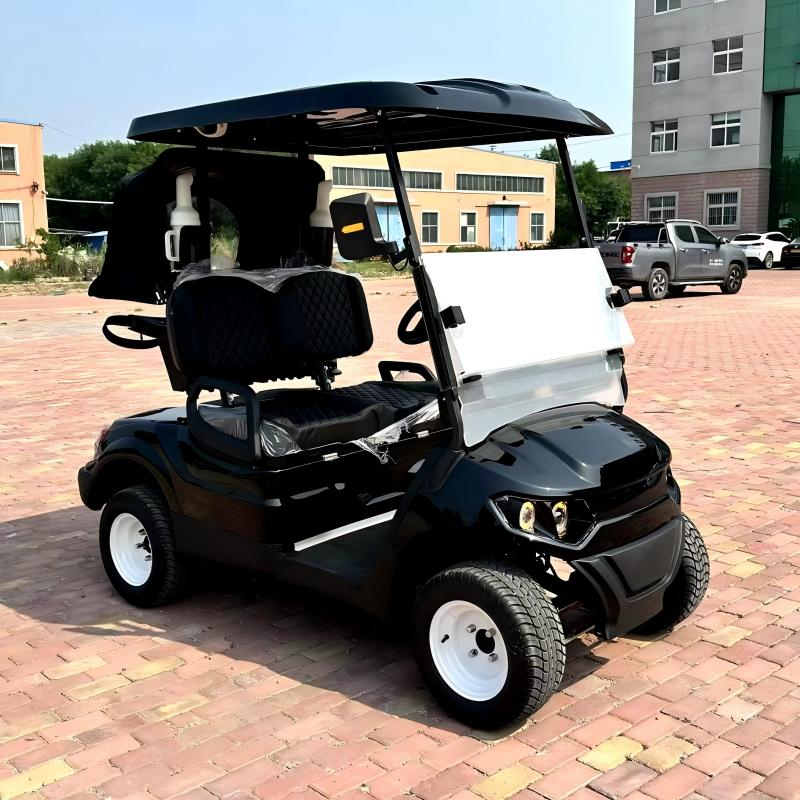
Performing Regular Maintenance Checks on Golf Cars
Check the golf cart before use to ensure operational safety
Regular checks can stop big problems before they happen. Tires need attention too - make sure they're properly inflated and check how much tread remains. Worn out or flat tires mean less grip on the course. When testing brakes, go slow enough to really feel how responsive they are. Don't forget to look at those lights front and back while doing this routine checkup. According to recent industry findings from last year, about one in five golf cart breakdowns actually comes down to bad battery connections. Corrosion builds up over time and just asking someone to check these connections might save hours of frustration later on.
Inspect brakes, tires, batteries, and lights routinely
Regular monthly checks help spot problems before they become serious headaches. When checking brakes, measure how thick the pads are left. If they're thinner than 1/8 inch, it's time for new ones. Also take a good look at the rotors since warped ones can cause all sorts of trouble. Tires should be examined too. Uneven wear patterns often point to alignment issues that need fixing. Don't forget about the battery either. A simple cleaning with baking soda works wonders on those corroded terminals, and grabbing a multimeter to test voltage is always worth doing. According to latest safety reports from transportation authorities, around two thirds of all accidents involve either brake failure or faulty lights somewhere in the mix.
Follow a scheduled maintenance plan to extend golf car lifespan
Stick to a three-tiered schedule:
- Weekly: Tighten bolts, lubricate suspension joints.
- Quarterly: Replace air filters, test steering alignment.
-
Annual: Have motors and electrical systems professionally serviced.
Carts with documented maintenance retain 35% more resale value over five years (Fleet Analysis, 2023).
Trend: Smart diagnostics in modern golf cars for real-time alerts
New models feature IoT sensors that monitor battery temperature, motor vibration, and brake fluid levels. Alerts are sent to mobile apps when thresholds are exceeded, cutting inspection uncertainty by 40% (Tech Adoption Study, 2023).
Adhering to Weight Limits and Avoiding Overloading
Understand Manufacturer Weight Specifications for Safe Operation
Manufacturers set weight limits (typically 800–1,200 lbs) to maintain structural integrity and handling. Exceeding them reduces steering responsiveness by 24% and raises brake failure risks, according to transportation safety analyses. Always consult your owner’s manual for exact capacity.
Avoid Overloading the Golf Cart with Passengers or Cargo
Overloading leads to reduced traction on slopes, faster battery drain (up to 40% in hilly areas), and higher rollover risk. Balanced loads prevent 72% of tip-over incidents in recreational vehicles (2023 Mobility Safety Report).
Impact of Overloading on Golf Car Performance and Stability
Extra weight increases braking distance by 30% at 150% capacity and raises motor overheating risk in warm climates. Despite a lower center of gravity, sharp turns become more hazardous under heavy loads.
Strategy: Use Load Distribution Techniques to Maintain Balance
Distribute weight evenly across axles. Place heavy items like coolers at the chassis center and secure them with cargo nets. Store lighter gear on rear racks to avoid bottom-heavy setups.
Observing Speed Limits and Driving Safely on Varied Terrain
Obey Speed Limits Set by Community or Course Regulations
Stick to posted speed limits (usually 15–25 mph), designed for pedestrian traffic and pathway layouts. Properties enforcing speed compliance report 38% fewer cart-related incidents annually (2023 transportation safety report).
Use Caution on Hills and Slopes to Prevent Rollovers
Reduce speed and approach inclines straight-on to avoid sliding. Maintain steady momentum without sudden acceleration. Refer to terrain navigation strategies from off-road safety studies for best practices on gradients.
Adjust Driving Behavior Based on Weather Conditions
Wet conditions reduce traction by up to 30%, requiring longer braking distances. In fog, use headlights and reduce speed by 25%. Never drive through flooded paths—water can damage electric motors.
Principle: Lower Center of Gravity Does Not Eliminate Rollover Risk
Despite a 12–15 inch lower center of gravity than standard vehicles, 41% of rollovers occur during sharp turns on uneven ground. Controlled speeds are essential even on fairways or paved trails.
Following Traffic Rules and Staying on Designated Paths
Follow the Rules of the Road When Operating Golf Cars on Public Roads
Obey traffic laws: adhere to speed limits, stop at intersections, yield to pedestrians. Using turn signals and maintaining safe following distances improves safety in mixed-traffic zones. Signage compliance reduces violations by 37% (UK Traffic Safety Study, 2023).
Stay on Designated Paths to Protect Landscaping and Ensure Safety
Sticking to approved routes prevents turf and irrigation damage while minimizing collision risks. Pathways are engineered for golf car dimensions and slope stability. Enforcing path use cuts landscaping repairs by 52% annually (greenspace management report, 2023).
Be Aware of Your Surroundings and Anticipate Unexpected Movements
Scan for pedestrians, maintenance vehicles, and wildlife—especially around blind corners. Slowing in high-traffic areas enhances reaction time. Nearly 29% of incidents involve sudden movements by distracted individuals or animals (Recreational Safety Institute, 2023).
Phenomenon: Increased Regulation of Golf Cars in Urban Neighborhoods
Cities are imposing stricter rules as golf cars grow in popularity. Over 60% of urban planners now require speed governors and dedicated lanes (Municipal Traffic Analysis, 2023), aiming to balance mobility and safety in dense communities.
Prioritizing Passenger Safety and Shared Space Awareness
Buckle up if seatbelts are available on the golf car
Seatbelts reduce injury risk during sudden stops or rough terrain. Though not standard on all models, their use lowers accident-related injuries by 48% in small electric vehicles (2023 transportation safety study). Prioritize seatbelt-equipped models for fleet upgrades.
Keep hands and feet inside the cart while in motion
Protruding limbs cause 32% of annual golf car injuries. Establish clear passenger rules before driving, especially on narrow or wooded paths.
Yield right-of-way to pedestrians in shared environments
In retirement communities and resorts, slow to under 10 mph near foot traffic. Even at low speeds, impacts can cause fractures, particularly among older adults.
Strategy: Educate riders, especially children, on safety practices
Conduct brief training for new users covering emergency brakes and boarding procedures. Visual guides near charging stations boost compliance by 67% in hospitality settings.
FAQ
Why is it important to regularly check golf car batteries?
Regular checks on golf car batteries are essential to prevent breakdowns caused by poor battery connections. Ensuring that the terminals are free from corrosion can save a lot of time and frustration.
How can distributing weight in a golf car affect its performance?
Distributing weight evenly in a golf car enhances its balance and stability. Overloading or uneven weight distribution can lead to increased braking distances and higher risks of rollovers or motor overheating.
What safety measures should be taken when driving a golf cart on hills?
When driving on hills, reduce speed, approach inclines directly, and maintain steady momentum to prevent sliding or rollovers.