EN
EN

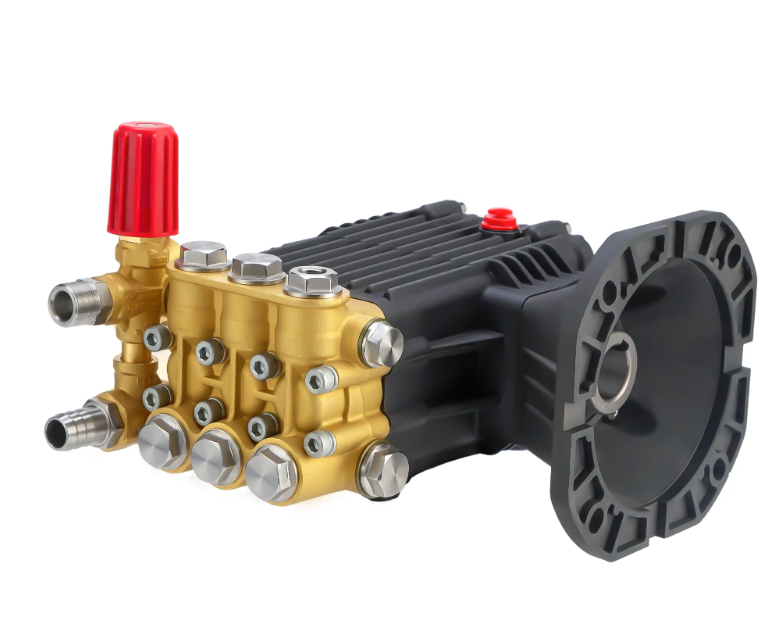
Understanding High Pressure Pump Fundamentals
What Defines a High Pressure Pump?
High pressure pumps can produce pressures above 1000 PSI by turning mechanical energy into actual hydraulic power. The whole thing works because of something called Pascal's Law, where pressure put on a trapped fluid spreads out evenly throughout the system. These aren't your regular garden variety pumps though. They pull in fluid using pretty intense vacuum forces at the inlet, then push it out accurately through different mechanisms like pistons, plungers, or flexible diaphragms. For industrial strength versions, manufacturers go all out with special hardened steel parts and heavy duty seals that can handle serious punishment. This makes them suitable for tough jobs ranging from pressure testing equipment to injecting chemicals under high stress conditions where reliability matters most.
Key Performance Metrics: PSI, Flow Rate, and Power Efficiency
Three metrics define pump effectiveness:
- Pressure (PSI): Determines the force available to overcome system resistance
- Flow Rate (GPM): Measures output volume per minute, ensuring process continuity
- Power Efficiency: Quantifies energy consumed per unit of hydraulic work
Balancing these parameters reduces operational costs and extends service life. For example, inefficient pumps can increase energy use by up to 40%, contributing to unplanned downtime costs averaging $740k annually (Ponemon Institute, 2023). Optimized selection ensures reliability while minimizing lifecycle expenses.
Matching High Pressure Pump Types to Application Needs
Reciprocating, Plunger, and Triplex Pumps Compared
Reciprocating pumps work with pistons to move fluids accurately, which makes them great for jobs that need careful metering like when injecting chemicals into processes. Plunger pumps are different because they create steady high pressure thanks to tough plungers and good seals. These kinds of pumps fit right into industrial cleaning situations where maintaining stable pressure matters a lot. Triplex pumps have three plungers working together at the same time. This setup cuts down on pulsations and vibrations compared to regular single plunger models. The efficiency boost ranges somewhere between 15% to maybe 30%, depending on how they're used. Plus, their extra sealing layers help keep things running smoothly during long operations. Waterjet cutting is one area where this matters since stopping even briefly can throw off whole production runs.
When to Choose Multistage Centrifugal vs. Positive Displacement
Centrifugal pumps with multiple stages work by using rotational force to gradually increase pressure through several impellers stacked together. These types of pumps perform best in situations where there's a lot of flow needed but not extremely high pressure requirements, typically above 500 gallons per minute but below 500 pounds per square inch. Boiler feedwater systems are a common application for them, particularly when the water demand stays pretty constant over time. On the flip side, positive displacement pumps including reciprocating, plunger, and diaphragm models operate differently. Instead of creating pressure through rotation, they actually capture specific amounts of fluid and push them forward, which allows these pumps to generate incredibly high pressures exceeding 5,000 psi even with relatively small flow rates. What makes them stand out is their ability to handle thick or gritty substances without losing much efficiency. Think about things like heavy oils, industrial slurries, or those tricky polymer mixtures that tend to gum up other pump systems. Centrifugal pumps just aren't cut out for these kinds of jobs because they start to struggle with efficiency and run the risk of developing cavitation problems.
| Factor | Multistage Centrifugal | Positive Displacement |
|---|---|---|
| Pressure Range | Low-moderate (<1,500 PSI) | High (>5,000 PSI) |
| Flow Range | High (>300 GPM) | Low-moderate (<100 GPM) |
| Viscosity Handling | Poor above 500 cP | Excel with thick fluids |
| Efficiency Peak | Steady flow rates | Variable flow demands |
Critical Selection Criteria for Reliable High Pressure Pump Operation
Material Compatibility and Corrosion Resistance
About one third of all early failures in high pressure pumps are actually due to material incompatibility according to Fluid Handling Systems research from last year. When it comes to wetted parts, they really need to stand up to chemical attack. For acids, go with 316 stainless steel. Salty or chlorinated fluids call for duplex or super duplex alloys. And when dealing with gritty slurries, specialized coatings like tungsten carbide make a big difference, sometimes doubling component lifespan. The numbers back this up too these materials can extend service life by around 40%. Before locking in on any particular material though, take time to check those chemical resistance charts against what's actually flowing through the system. Look at pH levels, operating temperatures, and how much solid stuff is suspended in the fluid. A little extra homework here pays off down the road.
Sealing Integrity, Maintenance Frequency, and Duty Cycle
Seal failure accounts for 52% of unplanned downtime in high-pressure systems (Machinery Lubrication Study). Optimal sealing depends on operating conditions:
| Factor | Seal Requirement |
|---|---|
| Pressure spikes | Reinforced lip or spring-energized seals |
| Temperature extremes | Ceramic or metal-faced mechanical seals |
| Continuous operation | Double mechanical seals with barrier fluid flush |
Condition-based maintenance reduces seal-related failures by 20% compared to time-based schedules. For 24/7 operations, prioritize pumps designed for <200-hour maintenance intervals and featuring quick-disconnect components to limit disruption.
Optimizing Total Cost of Ownership for High Pressure Pump Systems
Upfront Investment vs. Long-Term Energy and Downtime Savings
The upfront cost of buying a pump makes up just about 10% of what it really costs to own over time. Most people forget that energy expenses eat away at around two thirds of the budget, while maintenance takes care of roughly one fifth according to the U.S. Department of Energy guidelines. When companies oversize pumps thinking they're future proofing their systems, they end up creating problems down the road. These oversized pumps waste more than 30% of the energy going in and actually wear out faster because they run inefficiently most of the time. On the flip side, going for durable setups like double casing multistage pumps instead of those standard axially split models can cut unexpected breakdowns by almost half. Sure, these better quality options might cost 15 to 25% more initially, but Pump Systems Analysis from 2024 shows it pays off in the long run. And don't forget about adding variable frequency drives too. They help slash energy consumption during partial loads by around 22%, which adds another layer of savings for operators looking to optimize their operations.
Integration Considerations: Controls, Safety Interlocks, and Piping Design
Proper integration directly affects TCO through failure prevention and efficiency gains. Smart controls with real-time pressure and flow monitoring enable adaptive operation—reducing energy waste during transient loads. Safety interlocks prevent dry-run operation, which causes 18% of catastrophic pump failures. Piping design is equally vital:
- Geometry: Each 90° elbow adds 0.6–1.2 PSI friction loss—favor gradual bends and streamlined transitions
- Support: Unsecured piping contributes to vibration-induced failures in 32% of cases
- Material: Corrosion-resistant piping alloys prevent 75% of leakage incidents
Aligning controls, safety systems, and piping specifications with pump performance curves ensures sustained peak efficiency—and lowers maintenance frequency by 30–50%.
FAQ
What is the primary purpose of high pressure pumps?
High pressure pumps are designed to convert mechanical energy into hydraulic power, producing pressures above 1000 PSI. They are widely used in industrial applications for tasks requiring high pressure, such as pressure testing equipment and injecting chemicals.
How do reciprocating and plunger pumps differ?
Reciprocating pumps use pistons to move fluids precisely, great for metering. Plunger pumps use plungers and seals to maintain steady high pressure, suitable for industrial cleaning where stable pressure is essential.
Which conditions favor the use of positive displacement pumps?
Positive displacement pumps are best for applications requiring high pressures and dealing with thick or gritty substances, as they can handle these without losing efficiency, unlike centrifugal pumps.
What contributes most to the total cost of ownership for high pressure pumps?
Energy expenses account for the majority, around two-thirds, of the total cost, followed by maintenance. Proper pump sizing and energy-efficient systems can greatly reduce these costs.