EN
EN

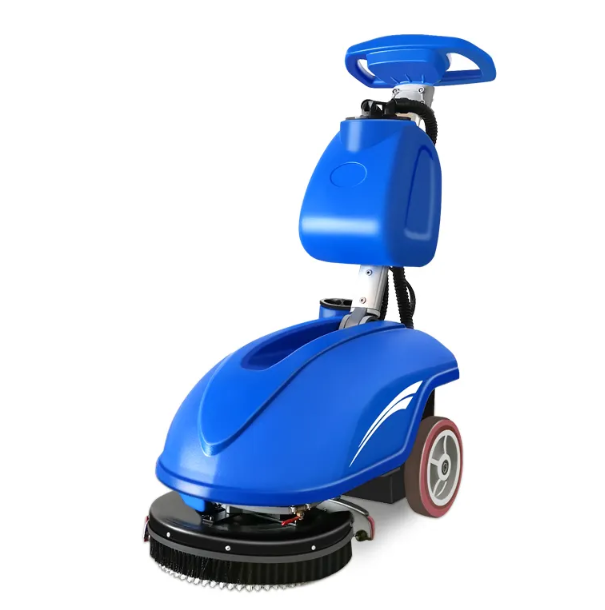
Why Ride on Floor Scrubbers Deliver Superior Cleaning Efficiency
Time Savings: 40–60% Faster Coverage vs. Walk-behind Units
The numbers don't lie when it comes to ride on floor scrubbers versus their walk behind counterparts. Facilities report coverage rates that are roughly 40 to 60 percent faster, which completely changes how big spaces get cleaned. Why? Well, there are three main reasons. First off, operators can sit while they work, so they don't get tired out after long shifts. Second, these machines have much wider scrubbing widths ranging from 36 to 52 inches, meaning fewer backtracking passes across the floor. And third, they move at impressive speeds up to 8 miles per hour, allowing workers to switch between different areas of a facility quickly. Just one ride on machine can handle anywhere from 30 thousand to 70 thousand square feet each hour, basically doing what would take two or even three walk behind units running at the same time. Many businesses find they can free up over 200 man hours every month by switching equipment, all while keeping their floors just as clean. Warehouses and distribution centers see this benefit most clearly since keeping operations moving smoothly means better overall productivity for their business.
Core Efficiency Drivers: Scrubbing Width, Travel Speed, and Intelligent Navigation
Three interconnected factors define ride-on scrubber performance:
-
Scrubbing Width
Brush decks up to 52 inches maximize surface contact per pass. A 20% width increase typically yields 15–18% faster coverage by reducing turns and path overlap. -
Travel Speed
Drive speeds of 5–8 mph—versus 3–4 mph for walk-behinds—accelerate area coverage. Intelligent acceleration controls preserve scrubbing effectiveness at higher speeds by dynamically adjusting brush pressure. -
Intelligent Navigation
LiDAR mapping and obstacle detection optimize cleaning routes, cutting travel distance by 25% through predictive path planning, real-time adjustments around pallets or equipment, and edge-to-edge coverage algorithms.
| Performance Factor | Impact Metric | Efficiency Gain |
|---|---|---|
| Scrubbing Width | Area Covered Per Pass | +15–18% |
| Travel Speed | Sq Ft/Hour Capacity | +30–40% |
| Navigation Tech | Route Optimization | -25% Travel Distance |
This synergy sustains 99%+ cleaning coverage consistency while reducing water and chemical consumption by 18–22% via precision dispensing systems.
Optimizing Ride on Floor Scrubber Performance Through Best Practices
Ideal Operational Settings: Speed, Solution Dosage, Overlap, and Waste Water Management
Getting the settings right makes all the difference when it comes to cleaning results. Most operators find that keeping their machines moving at around 3 to 5 miles per hour works best for getting good coverage without sacrificing cleaning power. When there's not enough cleaning solution, dirt stays behind. Too much solution just creates messes and burns through supplies faster. That's why checking those dispensers once a month against what the manufacturer recommends is so important. To avoid those annoying streak marks, try overlapping passes by about 15 to 20 percent, particularly where people walk past constantly. Managing wastewater is another key factor. Empty those recovery tanks before they hit 80% fullness to keep things running smoothly and maintain proper suction. Doing this cuts down on having to clean areas multiple times by roughly 30%. Real world data shows facilities that stick to these practices tend to get about 40% better performance compared to places that don't follow such detailed procedures.
Operator Training and Consistent Machine Calibration for Peak Output
Industrial cleaning studies show that when operators get proper training, error rates drop around 65%. Facilities need to schedule regular training sessions about four times a year. These should include navigating tight spaces filled with obstacles, figuring out what to do when machines give warning signals, and managing batteries so equipment runs longer between charges. Getting calibration right matters too. Operators should check brush pressure against test strips once a week, and adjust those squeegees whenever they hit about 150 hours of operation. Companies that stick to these training and maintenance routines typically keep their machines running at least 90% of the time. That's way better than the roughly 60% average seen in places where staff just wing it without proper protocols.
Smart Technologies That Elevate Ride on Floor Scrubber Productivity
APC, Telematics, and Data Analytics for Real-Time Efficiency Monitoring
APC systems boost surface coverage per tank by adjusting water flow and brush pressure automatically. The system comes with built-in telematics that keep tabs on where the equipment is, how much battery power remains, and what kind of cleaning patterns emerge during operation. Meanwhile, data analysis tools help spot where workflows get stuck or slowed down. All these components work together to optimize routes and allocate resources as needed in real time. Predictive maintenance warnings reduce downtime somewhere between 15% to 25%. Smart dispensing technology has been shown to save around 30% to 50% on water and chemicals. There's also automatic reporting about coverage rates and how operators are performing. Major manufacturers report that their annual productivity goes up about 20% to 25% when using APC systems. What used to be just regular cleaning now becomes something measurable and improvable over time.
Maximizing Uptime: Tank Capacity and Uninterrupted Cleaning in Large Facilities
Facilities covering large areas need ride-on scrubbers built to handle non-stop workloads. Tanks smaller than 50 liters mean constant refilling, which becomes a real problem in buildings over 10,000 square feet. Machines with bigger tanks (around 75 to 100 liters) let cleaners move through vast spaces without stopping so much, cutting down on downtime by roughly 30%. Getting the right size recovery tank matters too since it stops the machine from shutting off unexpectedly because of overflow issues. Some newer models come equipped with sensors that tell workers when fluids are running low, allowing them to pause cleaning only when it makes sense in their daily routine. By matching tank sizes properly to the actual space being cleaned, facilities can eliminate about five refill sessions each shift, giving back around 15 to 20 extra minutes of actual cleaning time. Most facility managers we've spoken to rank getting the tank specs just right for their building's dimensions as one of the best ways to keep equipment running smoothly throughout the day.
Frequently Asked Questions
What is the main advantage of using ride-on floor scrubbers compared to walk-behind units?
Ride-on floor scrubbers offer coverage rates that are approximately 40 to 60 percent faster than walk-behind units, thanks to wider scrubbing widths, faster movement speeds, and the ability for operators to cover more ground without fatigue.
How do ride-on scrubbers optimize cleaning routes and save time?
Ride-on scrubbers use LiDAR mapping and obstacle detection to optimize cleaning routes, reducing travel distance by 25% through predictive path planning and real-time adjustments.
What best practices improve ride-on floor scrubber performance?
Best practices include operating the scrubber at optimal speeds (3-5 mph), proper solution dosage to avoid waste, overlapping passes by 15-20%, and managing wastewater effectively.
How does operator training impact ride-on scrubber efficiency?
Proper operator training reduces error rates by approximately 65% and helps maintain equipment uptime by ensuring correct navigation, signal management, and battery handling.
Why is tank capacity crucial for large facilities?
Larger tanks (75 to 100 liters) reduce the need for frequent refills, minimizing downtime and enabling efficient cleaning across expansive areas.
Table of Contents
- Why Ride on Floor Scrubbers Deliver Superior Cleaning Efficiency
- Optimizing Ride on Floor Scrubber Performance Through Best Practices
- Smart Technologies That Elevate Ride on Floor Scrubber Productivity
- Maximizing Uptime: Tank Capacity and Uninterrupted Cleaning in Large Facilities
-
Frequently Asked Questions
- What is the main advantage of using ride-on floor scrubbers compared to walk-behind units?
- How do ride-on scrubbers optimize cleaning routes and save time?
- What best practices improve ride-on floor scrubber performance?
- How does operator training impact ride-on scrubber efficiency?
- Why is tank capacity crucial for large facilities?