EN
EN
Superior Maneuverability in Complex Commercial Environments
Navigating tight retail aisles, restrooms, and multi-room layouts with precision
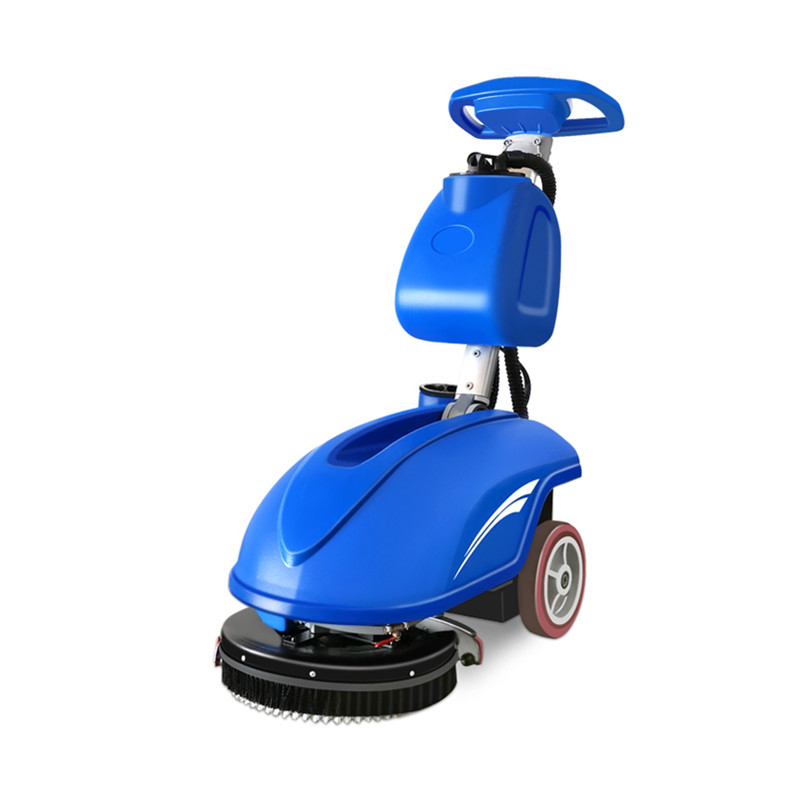
Floor scrubbers that walk behind are really good at getting into tight spots where regular cleaning gear just can't go. Most of them are pretty small stuff, usually narrower than a standard door frame, so they fit through those narrow retail store aisles without knocking over displays or getting in customers' way. These little guys aren't like the big heavy machines we all know. They turn on a dime around bathroom corners and move easily between rooms in offices without needing to stop and reposition constantly. When operating one of these, cleaners can actually see what's right in front of them, which makes all the difference when cleaning close to toilets, display racks, and computer stations. Facility managers report something interesting too. Cleaning takes about 30 percent less time in places full of obstacles compared to other methods, plus there are fewer accidents where equipment hits walls or furniture.
Turning radius and obstacle clearance: how walk behind floor scrubber design outperforms ride-on units
The engineering superiority of walk behind scrubbers becomes evident when comparing turning capabilities: most models achieve 180-degree turns within their own footprint, while ride-on units require 5–7 feet of clearance space. This compact turning radius stems from three key design advantages:
- Pivoting castor wheels enabling zero-radius rotation around fixed points
- Centralized weight distribution preventing tip-overs during sharp maneuvers
- Low-profile decks clearing under standard 28-inch retail shelving
Operators can easily change direction around things like delivery pallets or cleaning carts without ever getting off their machines something that just isn't possible with those big ride-ons that need slow turns. The ability to maneuver quickly makes all the difference in places where every minute counts. Facility managers have actually seen about 42 percent fewer times when work gets interrupted because of this flexibility according to some recent studies on industrial efficiency mentioned in Robacker Company's look at how mecanum wheels are being used for commercial cleaning tasks these days.
Faster Training, Lower Labor Burden, and Improved Operator Retention
Floor scrubbers that walk behind rather than ride on give businesses a real edge when it comes to training temps. The numbers back this up too ISSA released some benchmarks last year showing operators get comfortable with walk-behind models anywhere from 25 to 40 percent quicker compared to their bigger ride-on cousins. What makes them so easy? Simple controls and straightforward maintenance routines mean even folks coming in seasonally can start getting things done within just a few days instead of waiting through weeks of orientation. For companies dealing with constant staff changes, this kind of speed saves money without sacrificing quality. Cleaning crews stay on track with their standards regardless of who shows up at the door each morning.
Ergonomic features that minimize fatigue and turnover among cleaning personnel
When workers spend long hours on the job, adjustable handles, good weight balance, and those special vibration dampeners really make a difference in cutting down physical fatigue. Many businesses have seen their staff stay put longer too, some even reporting around 30 percent fewer people leaving their positions once they switch to these ergonomically designed walk behind units. The swivel wheels alone cut down on how hard someone has to push by about two thirds when compared with older equipment, which helps avoid those annoying repetitive stress issues over time. Bottom line? Comfortable operation means employees stick around longer and companies save money on constantly training new hires.
Space-Smart Storage and Transport for Space-Constrained Facilities
Compact footprint (<36" width) enabling closet storage, cart integration, and elevator access
Walk behind floor scrubbers today are pretty good at saving space since they typically measure less than 36 inches across. Their small size means these machines can fit right into regular maintenance closets without needing special storage areas. Most models work well with standard transport carts too, making it easy to move them from one floor to another using normal service elevators rather than paying extra for freight elevator access. The slim design cuts down on storage needs by somewhere around 40 to maybe even 60 percent when compared to bigger ride-on models, all while still getting the job done properly. For building managers looking to maximize their available space, this kind of equipment makes a big difference in how quickly things get set up throughout multi-story facilities. What was once wasted space becomes something useful again.
Stronger Total Cost of Ownership and Faster ROI
40–60% lower acquisition cost vs. ride-on scrubbers; ROI achieved in 8–14 months (Cleanfax 2024)
For many businesses, walk behind floor scrubbers offer real money saving benefits that make a difference in their cleaning budgets. The initial cost is usually around half what ride-on models cost, which means companies can invest less cash upfront without sacrificing quality cleaning results. A recent Cleanfax report from 2024 shows most businesses get their money back in just 8 to 14 months, much quicker than what ride-ons typically provide. Why? Well, these smaller machines cost less to buy and run better too. They use far less water and cleaning solutions for each area they clean, plus they need basic maintenance that anyone can handle. Simple mechanics mean fewer breakdowns and repairs over time compared to those complicated ride-on systems. Looking at everything together, walk behind scrubbers beat out other options when considering long term costs. They eat up less electricity, parts last longer, and there's not as much downtime waiting for fixes. All this adds up to extra money in the budget month after month while still keeping floors looking great day in and day out.
Frequently Asked Questions (FAQ)
What are walk behind floor scrubbers and why are they preferred in complex environments?
Walk behind floor scrubbers are compact cleaning machines designed for maneuverability in tight spaces such as retail aisles, restrooms, and multi-room layouts. They are preferred due to their ability to navigate these areas with precision, thus reducing cleaning time by approximately 30% and minimizing equipment mishaps.
How do walk behind scrubbers outperform ride-on units on turning radius and obstacle clearance?
Walk behind scrubbers achieve 180-degree turns within their own footprint, thanks to their pivoting castor wheels, centralized weight distribution, and low-profile decks. This allows them to move swiftly around obstacles without the need for wide clearance, unlike ride-on units which require 5–7 feet.
Why is operator retention higher with walk behind floor scrubbers?
Walk behind scrubbers feature ergonomic designs such as adjustable handles and vibration dampeners, significantly reducing operator fatigue and turnover. Employees tend to stay longer in positions due to the comfortable operation provided by these machines.
What are the storage benefits of walk behind floor scrubbers?
These scrubbers have compact footprints, generally less than 36 inches wide, allowing them to fit into standard maintenance closets and integrate easily with transport carts for efficient elevator access. This reduces storage needs by approximately 40 to 60% compared to ride-on models.
What financial advantages do walk behind scrubbers offer over ride-on models?
Walk behind floor scrubbers typically have 40–60% lower acquisition costs compared to ride-on units and provide ROI within 8–14 months. Their efficient use of resources, simpler maintenance, and lower electricity consumption contribute to long-term cost-effectiveness.
Table of Contents
- Superior Maneuverability in Complex Commercial Environments
- Faster Training, Lower Labor Burden, and Improved Operator Retention
- Space-Smart Storage and Transport for Space-Constrained Facilities
- Stronger Total Cost of Ownership and Faster ROI
-
Frequently Asked Questions (FAQ)
- What are walk behind floor scrubbers and why are they preferred in complex environments?
- How do walk behind scrubbers outperform ride-on units on turning radius and obstacle clearance?
- Why is operator retention higher with walk behind floor scrubbers?
- What are the storage benefits of walk behind floor scrubbers?
- What financial advantages do walk behind scrubbers offer over ride-on models?