EN
EN

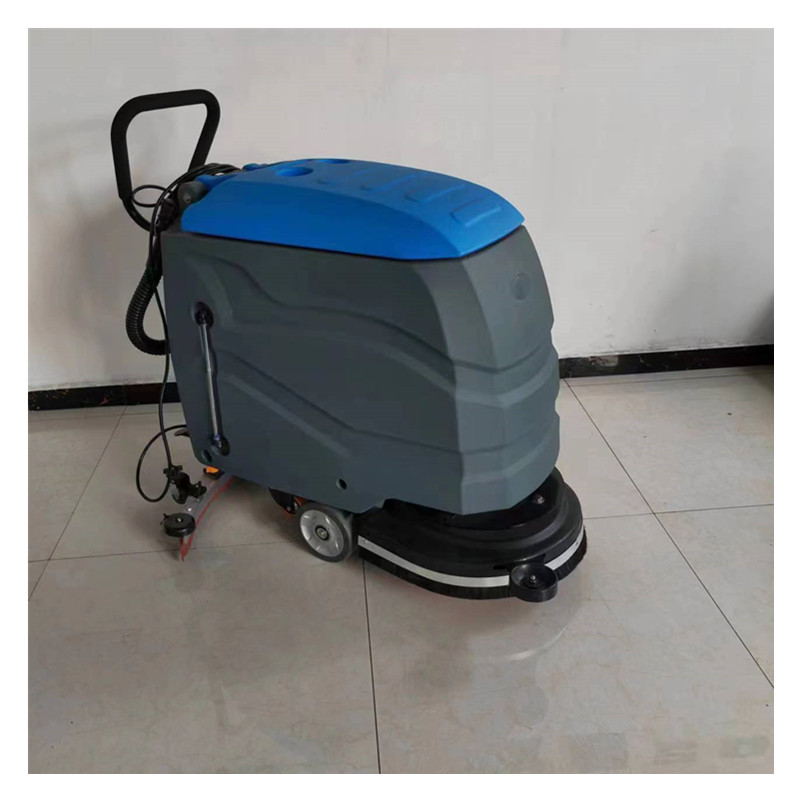
Time, Labor, and Coverage Gains with a Walk-Behind Floor Scrubber
Cycle Time Reduction vs. Manual Mopping: Real-World Data from Commercial Facilities
Facility managers report that walk behind floor scrubbers can slash cleaning time by around 70% when compared with traditional mopping methods. We've seen this play out in warehouses, retail stores, and hospitals throughout the country. Take one warehouse operation as an example where workers managed to clean about 16,500 square feet each hour using these machines, which is roughly eight times what they could accomplish with old fashioned mops and buckets. The real game changer here is how these scrubbers combine washing, suction, and drying all at once during a single run across the floor. No need to stop constantly to squeeze out wet mops, haul heavy buckets back and forth, or just stand there waiting for water to evaporate naturally.
Labor Optimization: Staff Reallocation Metrics in Retail, Education, and Healthcare Settings
When facilities start using walk behind scrubbers, they can actually free up between 65 and 80 percent of the time staff used to spend on floor cleaning for other important tasks. Take one hospital system for instance that managed to shift around 120 hours each week away from basic mopping duties so their workers could focus more on making sure sterilization protocols were properly followed. Retail stores have seen similar benefits too. Many cut down their night cleaning teams in half but still kept store aisles looking good during shopping hours. Plus there were fewer accidents from wet floors reported after these changes. All told, switching to these machines helps tackle the ongoing problem of not having enough staff available, all while keeping things just as clean as before.
Throughput Drivers: Path Width, Tank Capacity, and Battery Runtime
Three hardware specifications most significantly influence coverage per shift:
| Feature | Performance Range | Coverage Impact |
|---|---|---|
| Cleaning Path | 17"–32" | Determines single-pass width |
| Solution Tank | 15–30 gallons | Reduces refill interruptions |
| Battery Runtime | 3–6 hours | Enables large-area completion |
When optimized together—such as a 22" path with a 24-gallon tank and 5-hour runtime—facilities routinely achieve 50,000+ sq ft cleaned per operator shift. Narrower paths (20"–24") excel in tight environments like retail backrooms or hospital corridors, navigating around fixtures and racking without sacrificing dwell time or cleaning efficacy.
Smart Operational Features That Maximize Walk-Behind Floor Scrubber Productivity
Precision Control: Solution Flow, Brush Pressure, and Recovery Suction Calibration
Modern walk-behind floor scrubbers empower operators to fine-tune three core functions on the fly:
- Solution flow adjusts to surface porosity—reducing over-saturation on concrete while ensuring adequate dwell on sealed vinyl or epoxy
- Brush pressure adapts to flooring type, maintaining optimal contact force without damaging delicate surfaces or underperforming on dense tile
- Variable recovery suction, validated at 99% contaminant removal against ISSA BSC benchmarks, extracts soil and moisture completely—no streaks, no residue
This level of control minimizes chemical waste, eliminates rework, and preserves floor integrity—especially vital in high-traffic, mission-critical spaces.
Adaptability Without Compromise: Floor-Type Recognition, Ergonomic Design, and Tight-Space Maneuverability
Modern smart scrubbers come equipped with built-in sensors that pick up changes in flooring type. When these machines roll from carpeted areas like hotel lobbies onto smooth floors in hallways, they adjust the spinning speed of brushes and release just the right amount of cleaning solution automatically. According to a study published last year in Industrial Safety Journal, workers report about 30% less tiredness after long hours operating these machines thanks to their specially shaped handles. Plus, the steering mechanism lets operators make complete U-turns even in tight spaces where clearance is less than 1.5 meters. What this means for facilities managers is powerful cleaning results without losing maneuverability around obstacles such as display racks in stores, medical carts in hospitals, or stacked goods in warehouses.
Consistent, Measurable Cleaning Performance: Why Walk-Behind Floor Scrubbers Outperform Traditional Methods
Contaminant Removal Validation: ISO 14644-1 Cleanroom Standards and ISSA BSC Benchmark Results
Total Cost of Ownership Advantage: ROI Beyond Initial Investment
The sticker price might grab most attention during equipment purchases, but nobody really knows what a walk behind floor scrubber will cost until they look at the full picture with something called Total Cost of Ownership, or TCO for short. What TCO does is track everything that matters over time - things like how much power it eats up, regular maintenance needs, who has to operate it day to day, when it breaks down and stops working, plus what happens when it finally gets thrown out. Basic return on investment calculations miss a lot of these details. TCO shows those sneaky problems that eat into profits month after month, like machines constantly needing fixes, wasting electricity, or staff spending too much time on tasks that could be handled better elsewhere.
Key TCO differentiators between low- and high-efficiency scrubbers include:
| TCO Factor | Low-Quality Equipment | High-Efficiency Walk-Behind Scrubber |
|---|---|---|
| Energy Consumption | 15–20% higher | Optimized systems aligned with ISO 50001 energy management standards |
| Annual Maintenance | 12–18% of purchase price | 5–8% of purchase price |
| Downtime Impact | 30+ hours/year | <10 hours/year |
| 5-Year ROI | Negative | Positive |
Facilities using rigorous TCO analysis report 40–60% lower operational costs over five years. By cutting chemical and water waste to under 3% (versus 8–10% with manual methods) and freeing skilled staff for value-added tasks, high-efficiency scrubbers deliver sustained productivity gains—not just short-term savings.
FAQ
What is a walk-behind floor scrubber?
A walk-behind floor scrubber is a cleaning machine used to wash, suction, and dry floors in a single operation, making floor cleaning more efficient compared to traditional methods.
How does a walk-behind floor scrubber save time?
Walk-behind floor scrubbers can reduce cleaning time by 70% as they automate washing and drying, eliminating the need for manual mopping or waiting for water to evaporate.
What factors influence the efficiency of floor scrubbers?
The efficiency is influenced by cleaning path width, solution tank capacity, and battery runtime, which determine coverage per shift and minimize interruptions.
How do walk-behind scrubbers optimize labor allocation?
They free up significant staff time, allowing workers to focus on other tasks, effectively reallocating labor resources in facilities like hospitals and retail stores.
Table of Contents
- Time, Labor, and Coverage Gains with a Walk-Behind Floor Scrubber
- Smart Operational Features That Maximize Walk-Behind Floor Scrubber Productivity
- Consistent, Measurable Cleaning Performance: Why Walk-Behind Floor Scrubbers Outperform Traditional Methods
- Total Cost of Ownership Advantage: ROI Beyond Initial Investment
- FAQ