EN
EN

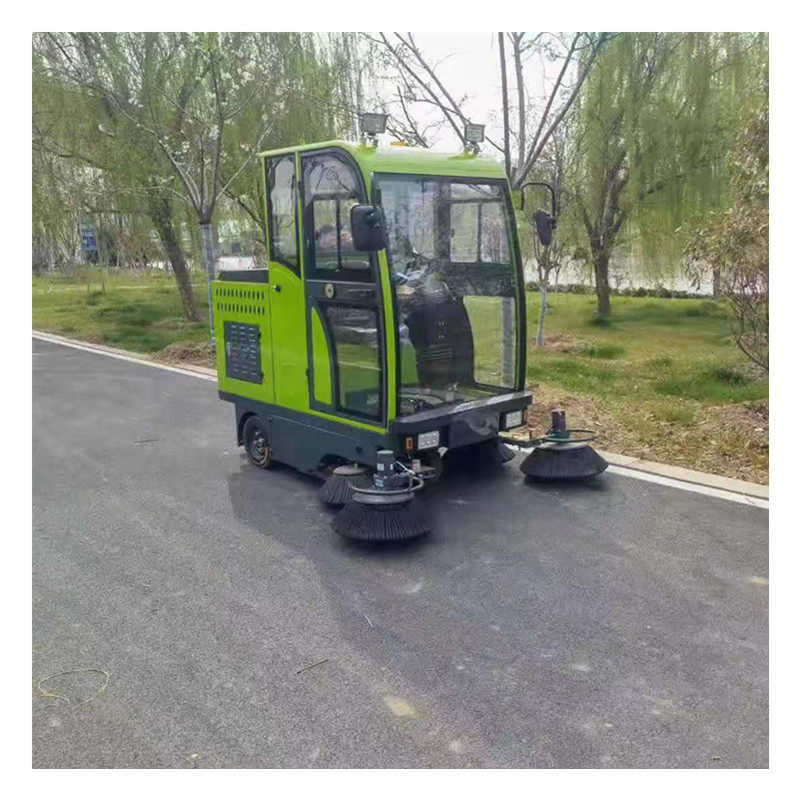
Maneuverability: Turning Radius and Steering Configurations for Alley Access
Why sub-8-foot turning radius is non-negotiable for narrow alley navigation
Street sweepers working in alleys narrower than ten feet really struggle when their turning radius goes over eight feet. According to some city sanitation reports, around three quarters of all trash builds up in those tight corners where bigger machines just can't make the turn properly. When these vehicles don't have that super tight turning ability, operators end up stuck between bad options scraping against walls while making turns or simply missing whole sections of dirty areas. Looking at industry standards, machines with less than an eight foot radius manage to clean through most urban alleys in one pass about ninety two percent of the time. Once they go beyond that limit, crews have to do multiple stops and turns which takes twice as long and creates more problems for people walking nearby in these already cramped spaces.
Zero-turn, articulated, and rear-steer street sweeper comparisons in confined urban corridors
Steering configuration directly determines alley accessibility and cleaning efficiency. Performance differences become pronounced in corridors under 12 feet:
| Configuration | Turning Radius | Obstacle Clearance | Best Use Case |
|---|---|---|---|
| Zero-turn | < 5 ft | 360° on-spot rotation | Historic districts/complex layouts |
| Articulated (jointed) | 6–7 ft | Front-pivot precision | Curved alleys/angled intersections |
| Rear-steer | 7–8 ft | Predictable rear swing | Long straight corridors |
The zero turn system works differently because each wheel operates independently, which means there are no pivot points at all. This makes a big difference when trying to maneuver around things like trash bins or delivery trucks in those busy mixed use areas. Articulated machines give up some turning radius but gain better stability on rough ground. Meanwhile rear steer setups tend to be cheaper options for getting into those grid pattern alleys where space is tight. The latest Urban Sweeping Efficiency study from 2023 showed something interesting too municipal workers reported about 40 percent fewer times they hit curbs when using these zero turn machines in really crowded spots. Makes sense since they can basically go anywhere without worrying about sharp turns.
Sweeping Width and Side Broom Reach: Optimizing Coverage in Tight Spaces
Ideal street sweeper path width (36–48 inches) for alleys under 10 feet wide
For alleys that are less than ten feet across, compact street sweepers work best when they can cover between 36 to 48 inches on each pass. The right size makes all the difference for getting around tight corners while still doing a decent job cleaning up. Many old neighborhoods have these narrow alleys averaging around eight feet, so finding equipment that fits becomes really important. Sweepers over 48 inches wide tend to bump into walls and leave dirt along the edges instead of picking it up. On the flip side, going too small means missing a lot of debris during each sweep, which just isn't efficient for getting the job done properly.
Hydraulic vs. mechanical side broom extension: precision, reach, and sweep envelope control
Side broom control falls into two categories, each suited to distinct operational priorities:
- Hydraulic systems allow millimeter-precision real-time adjustments, adapting to irregular alley contours and maximizing reach—up to 18 inches beyond the chassis—for curbside debris.
- Mechanical extensions provide fixed-position reliability with minimal maintenance, ideal for predictable, high-abrasion routes.
Both must maintain consistent sweep envelope control to prevent material spillage in tight spaces—but only hydraulic systems deliver the dynamic responsiveness needed for variable urban alley geometry.
Critical Design Features That Enable Real-World Alley Performance
Low-profile chassis and cab-forward layout for overhead clearance and operator visibility
The lower profile of the chassis helps avoid bumping into things hanging overhead like pipes, signs, or those old fire escape ladders commonly found in narrow alleys built decades ago. When combined with the cab forward setup, operators sit much nearer to where the actual sweeping happens, which gives them a better view of what's going on right next to curbs and building walls. Having this clear sightline makes all the difference when navigating tight spaces again and again without scratching up either the machine itself or the surrounding structures that might be hundreds of years old.
Dust suppression strategies: targeted mist nozzles and vacuum-assisted containment for street sweeper efficiency in tight quarters
Narrow alleyways tend to trap dust clouds for much longer periods, creating serious problems for both health and visibility. The solution? Mist nozzles that spray water right onto those pesky debris piles just before the sweeper arrives, plus vacuum systems built into the equipment itself that grab dust particles where they start rising up. These combined approaches cut down on floating contaminants somewhere around 60 percent better than regular dust control techniques. What's great is that clean air stays clean for everyone nearby - workers included - all while keeping the cleaning process moving at normal speed and getting the job done properly.
FAQ
Q: Why is a sub-8-foot turning radius crucial for street sweepers?
A: Sweepers need a sub-8-foot turning radius to efficiently clean narrow alleys, avoiding obstacles and reducing the need for multiple passes.
Q: What are the benefits of hydraulic side broom systems?
A: Hydraulic systems offer precise real-time adjustments and maximize reach, making them ideal for irregular alley contours to optimize cleaning.
Q: How does a cab-forward layout improve alley navigation?
A: It provides better visibility and control, allowing operators to navigate tight spaces efficiently without damaging surroundings.