EN
EN

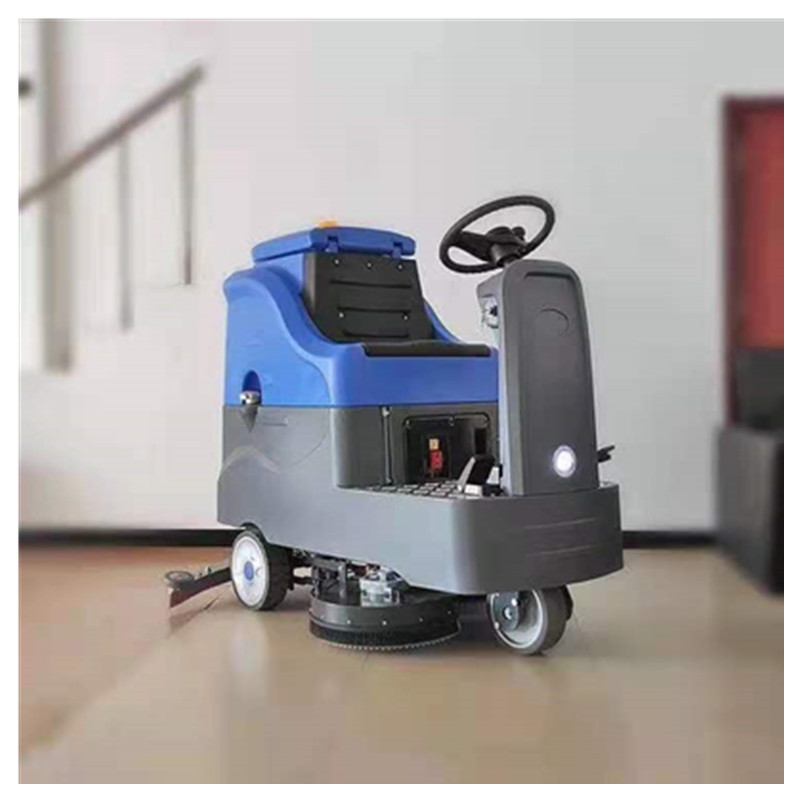
Precision Water Control in Electric Floor Scrubbers
Adjustable Flow Rates Tailored to Surface Type and Soil Level
Electric floor scrubbers these days are getting smarter about how they use resources thanks to their dynamic water management systems. These machines come equipped with sensors and controllers that adjust water flow as needed. They actually cut back on water when cleaning smooth surfaces such as polished concrete, but pump out more for those tricky spots that absorb water or have built up grime over time. The result? Less wet floors overall, which means things dry faster too. Some studies suggest drying times can be around 40% quicker than older models from what I've read in Facility Management Journal last year. For people doing the actual cleaning work, this translates to saving somewhere between seven to twelve extra minutes each time they run through a cleaning cycle because there's no need to go back and mop up excess water after scrubbing.
Measured Savings: Up to 70% Less Water vs. Manual Mopping
Electric floor scrubbers reduce water consumption by 68–72% per square meter versus manual mopping, according to facility audits across retail and education sectors. Three integrated mechanisms drive this efficiency:
- Laser-guided solution application that minimizes overspray
- Soil-responsive flow-rate algorithms
- High-efficiency recovery vacuums capturing 89% of applied solution
The net result is ~1,200 liters saved monthly per facility—equivalent to 12,000 single-use water bottles annually for an average supermarket. Importantly, these savings coexist with improved hygiene: ATP swab testing shows a 13% increase in surface cleanliness scores.
Smart Detergent Dosing for Optimal Chemical Efficiency
Proportional Mixing Technology Ensures Accurate Dilution
The smart dosing systems out there today rely on proportional mixing tech to cut down on wasted chemicals. These systems have real time soil sensors connected to automatic pumps that put just the right amount of detergent into the water flow. They keep things diluted properly between 0.5% and 2.0%, no matter how fast things are moving or what kind of dirt is floating around. Manual approaches tend to be all over the place though. People often end up pouring way too much stuff in because they're guessing, sometimes wasting anywhere from 40% to 60%. But with those integrated flow meters built in, we're talking about dosing accuracy within plus or minus 1%. That means no more gunk sticking around after cleaning, better breakdown of soils, and significantly less money spent on chemicals while also being easier on the environment. Cleaning still gets done right, mind you.
Real-World Impact: 62% Detergent Reduction in Healthcare Facilities
According to a recent 2023 study at several urban hospitals, facilities saw their detergent consumption drop by around 62% once they started using electric scrubbers equipped with intelligent dosing technology. These automated cleaning systems work differently across hospital areas. For instance, in busy emergency rooms where infection risks are highest, the machines apply stronger disinfectant concentrations specifically in isolation wards. Meanwhile, they switch to gentler formulas for regular corridor cleaning. The savings add up fast too. Each hospital saved approximately $18k yearly on chemicals alone, plus there was a notable 35% decrease in what goes into wastewater treatment plants. This kind of smart resource management helps hospitals meet their green objectives without sacrificing cleanliness standards.
Dual-Tank Architecture: Separating Clean and Dirty Water
How Physical Isolation Enables Safe Reuse and Lowers Total Consumption
With a dual tank design, clean solution stays completely separate from the collected wastewater, which means no mixing happens between them. One tank is specifically for holding fresh detergent that's been measured just right, while another catches all the dirty water after it's used. Because these are kept apart, we can actually reuse some of that filtered wastewater for things like initial cleaning steps or rinsing areas where drinking water quality isn't necessary. Industrial facilities report saving around 40% on their fresh water usage thanks to this setup. Cities testing these systems have seen something interesting too: they tend to use about 33% less chemicals compared to older single tank systems. The reason? Simple really. When the good stuff stays untouched, it works better when needed later on.
Advanced Water Recycling in Premium Electric Floor Scrubbers
Closed-Loop Systems with Filtration, UV Sterilization, and Recirculation Metrics
High end electric floor scrubbers come equipped with closed loop water recycling systems that grab, clean, and reuse the dirty water. The wastewater goes through several stages of filtering, including sediment traps and carbon filters, which take out dirt particles and organic stuff from the mix. After that comes UV-C treatment that kills off bacteria and viruses so the water is safe enough for another pass over the floors. Smart sensors built into these machines keep track of things like how fast the water flows, when filters get clogged, and what percentage gets reused again. All this tech means fewer times workers need to refill tanks, cuts down on wasted water, and saves money in the long run. Facilities using these systems often see real improvements both for their bottom line and for reducing their environmental impact.
FAQ Section
What are the benefits of adjustable flow rates in electric floor scrubbers?
Adjustable flow rates allow floor scrubbers to tailor water usage to the surface type and soil level, leading to quicker drying times and reduced labor costs due to less need for drying floors post-scrubbing.
How do electric floor scrubbers achieve water savings compared to manual mopping?
Electric floor scrubbers utilize mechanisms such as laser-guided solution application and soil-responsive algorithms to minimize overspray and efficiently capture solutions, achieving up to 70% less water usage per square meter than manual mopping.
What is proportional mixing technology in smart detergent dosing?
Proportional mixing technology uses sensors to ensure precise detergent dilution, reducing chemical waste, cutting costs by up to 60%, and enhancing cleaning efficacy without environmental harm.
Why is dual-tank architecture important in electric floor scrubbers?
Dual-tank architecture keeps clean and dirty water separate, enabling safe reuse of filtered wastewater and reducing fresh water consumption by up to 40% in industrial use.
How does advanced water recycling in floor scrubbers benefit facilities?
Advanced water recycling involves filtration and UV sterilization, reducing the need for refilling tanks and decreasing water waste, which saves money and supports environmental sustainability.
Table of Contents
- Precision Water Control in Electric Floor Scrubbers
- Smart Detergent Dosing for Optimal Chemical Efficiency
- Dual-Tank Architecture: Separating Clean and Dirty Water
- Advanced Water Recycling in Premium Electric Floor Scrubbers
-
FAQ Section
- What are the benefits of adjustable flow rates in electric floor scrubbers?
- How do electric floor scrubbers achieve water savings compared to manual mopping?
- What is proportional mixing technology in smart detergent dosing?
- Why is dual-tank architecture important in electric floor scrubbers?
- How does advanced water recycling in floor scrubbers benefit facilities?