EN
EN
Reducing Air Pollution and Protecting Respiratory Health
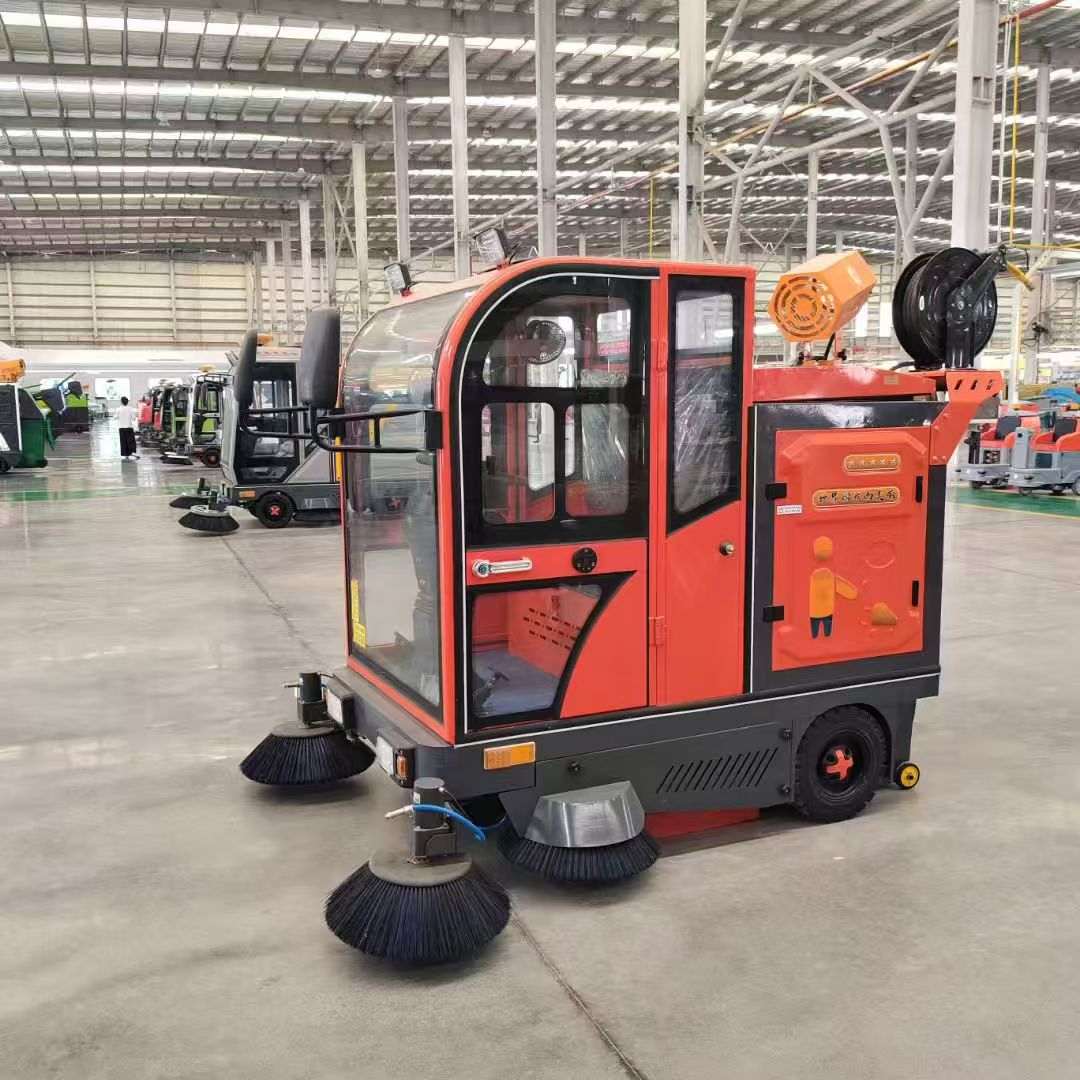
Sweepers play a critical role in combating urban air pollution by systematically removing particulate matter from road surfaces. These machines capture airborne dust and fine particulates before they become respirable hazards, significantly reducing concentrations of PM2.5 and PM10 in the ambient air.
Capturing airborne dust and fine particulates from road surfaces
Street sweepers physically extract debris using mechanical brooms, vacuum systems, or regenerative air technology—preventing fine particles from being re-suspended by traffic turbulence, a leading driver of atmospheric pollution. Regular sweeping maintains surface cleanliness at scientifically validated thresholds where particulate resuspension drops by 40–60%.
Removing harmful metal(loid)s and allergens that affect lung health
The dust that accumulates on city streets contains harmful heavy metals like lead, cadmium and arsenic which come from cars wearing down and factories releasing stuff into the air. Along with those metals, there's also pollen floating around, mold spores growing in damp spots, and tiny bits of tires breaking off during normal driving all of which can cause serious problems for people with asthma or allergies. Cities that keep their streets regularly cleaned tend to see anywhere between 22% to 31% fewer trips to the ER for breathing emergencies according to recent studies looking at urban areas across North America. The newer street sweepers now have filters comparable to what we find in good home air purifiers, capable of trapping particles as tiny as 0.3 microns something that makes a real difference when it comes to keeping outdoor air quality decent enough for sensitive populations.
Delivering measurable public health benefits through cleaner urban air
When cities implement good street cleaning programs, people tend to get healthier overall. Take a look at what happened in several major metropolitan areas that invested in better sweepers - they saw anywhere from 15% to almost 30% less pollution floating around after just three years. That means fewer folks ending up in doctor's offices with breathing problems like bronchitis or COPD. Most of us live somewhere where the air isn't exactly clean either. The World Health Organization says something like 99% of everyone on the planet is breathing air that's worse than their standards. So when we talk about controlling pollution at its source, things like mechanical sweeping really make sense both economically and for public health. Research published back in 2020 showed that these kinds of dust control measures actually save more money in healthcare savings than they cost to run, maybe even three times as much. And those benefits hit hardest right where they're needed most - near busy roads where kids play and elderly residents walk daily.
Preventing Water Contamination and Supporting Stormwater Management
Street sweepers play a critical role in fighting water pollution by catching dangerous stuff before it reaches our watersheds. When these machines clean streets and roads, they stop harmful substances like heavy metals such as zinc and copper along with various hydrocarbons including brake dust and leftover industrial chemicals from getting washed down storm drains when it rains. The simple act of street cleaning actually makes a big difference in how much toxins end up in the environment where fish and other aquatic life live, helping to keep our waterways cleaner over time rather than letting pollutants build up gradually.
Stopping pollutants at the source: how sweepers intercept heavy metals and toxins
Modern street sweepers can eliminate around 75-80% of those nasty sediment-bound pollutants that stick to road surfaces, including dangerous stuff like arsenic and lead which we all know are bad news for health. These machines actually grab brake pad dust and tiny bits of worn tires right where they fall, stopping heavy metals such as cadmium and mercury from seeping down into our groundwater. This matters a lot in areas close to factories and big parking garages where rainwater tends to pick up oil, grease, and various chemicals before heading off into storm drains. When sweepers do their job properly, they literally cut off the pollution pipeline, protecting both our tap water supply and fish populations in nearby streams and rivers from long lasting toxic substances that build up over time.
Enhancing stormwater system efficiency by reducing debris in drainage systems
Removing leaves and dirt from streets before heavy rains helps avoid clogged channels that lead to city floods and sewage backups. Regular street cleaning cuts down on maintenance expenses for drains by around 30 percent since it stops the accumulation of organic sludge in those underground basins. When we keep silt and tiny plastic particles from getting into our drainage networks, it maintains proper water flow through the system. This means stormwater ponds and filters work better than they would otherwise. That's really important during big storms when overloaded pipes might flush raw pollutants straight into rivers and lakes, causing environmental problems for everyone downstream.
Improving Public Safety and Preserving Urban Infrastructure
Street sweepers safeguard communities by proactively removing physical and environmental hazards that threaten public safety and accelerate infrastructure degradation. Systematic debris removal reduces avoidable injuries and extends the service life of urban assets.
Eliminating physical hazards like broken glass, nails, and sharp debris
City sweepers do a good job getting rid of hazardous stuff like broken glass, nails, and bits of metal off streets and sidewalks. When left alone, this kind of debris causes around 50 thousand car accidents each year in the US alone. Plus it's a real danger for people riding bikes or walking who might get cut or punctured. Regular cleaning helps reduce how often emergency services need to respond, cuts down on legal problems for cities, and makes roads safer for everyone regardless of how they get around town.
Preventing slip accidents and infrastructure damage from organic buildup and clogs
Things like fallen leaves, bits of trash, and dirt build up on sidewalks and roads creating really slick spots where people slip and fall about 40% more often when it's raining. If left alone, all this stuff gets washed down storm drains where it blocks the pipes, causing puddles to form everywhere. The water then eats away at the pavement and weakens what holds up the road itself. That's why cities send out those big sweeping machines. They grab most of these materials before they can get anywhere near the drains. This keeps foot traffic safer and saves money too since fixing flooded roads runs municipalities around seven million dollars each year for every mile damaged. Regular cleaning just makes sense both from safety standpoint and budget perspective.
FAQ
How do street sweepers help reduce air pollution?
Street sweepers reduce air pollution by capturing airborne dust and fine particulates from road surfaces, preventing them from becoming respirable hazards.
What kind of health benefits do street sweepers provide?
Street sweepers help in reducing respiratory health issues by removing harmful particulates and allergens, leading to fewer emergency room visits for breathing problems.
How do street sweepers aid in preventing water contamination?
Sweepers remove heavy metals and hydrocarbons from roads before they wash into storm drains, thus preventing water contamination and supporting stormwater management.
What role do sweepers play in public safety?
Sweepers enhance public safety by eliminating physical hazards like broken glass and debris from streets, thus reducing accidents and infrastructure damage.