EN
EN

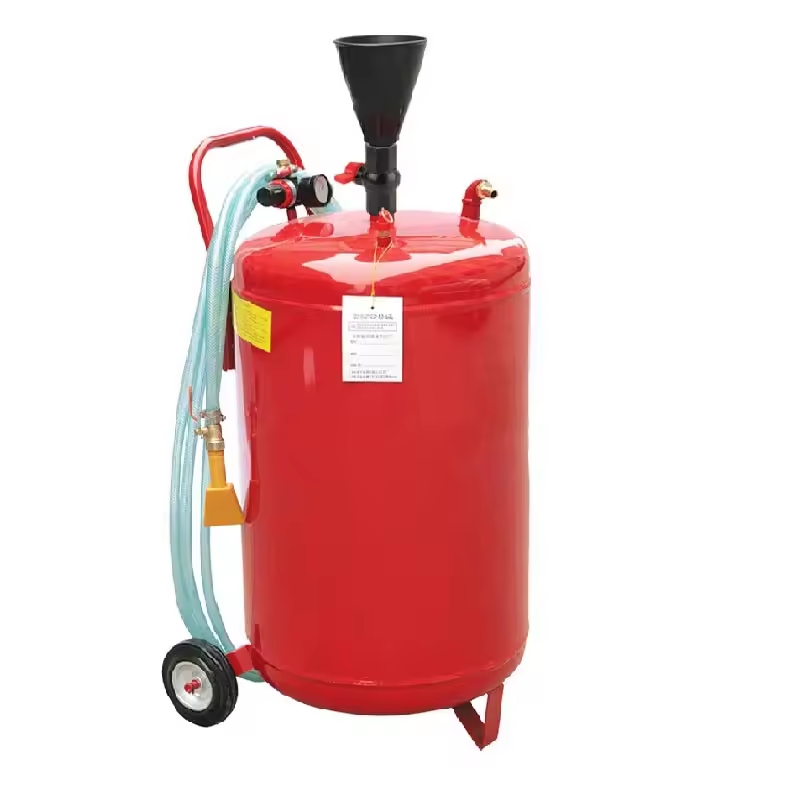
Foam Machines as the Primary Cleaning Medium in Car Wash Systems
How foam acts as a non-abrasive, pH-balanced cleaning agent
Foam machines create thick, sticky foam when they mix air, water, and detergents that sit around neutral on the pH scale usually somewhere between 6.5 and 8. The way these chemicals work is pretty gentle on surfaces too. They lift away dirt without damaging those shiny clear coat finishes, rubber gaskets, or fancy car trim pieces. Most people don't realize this but pH balanced foam actually works differently from harsh soaps. Instead of eating away at grime like some strong cleaners do, it breaks down road grime and engine grease through a process called emulsification. What makes foam really effective is how long it stays on surfaces. We're talking about double the time compared to regular spray bottles. This gives the cleaning agents plenty of time to get deep into nooks and crannies where dirt hides. According to what mechanics have been seeing in garages across the country, using this kind of low density foam cuts down water consumption by almost half versus traditional pressure washing methods, all while getting cars just as clean if not cleaner.
Advantages over traditional wash methods: soap sprays, brushes, and rinse-only cycles
Foam outperforms conventional approaches across three critical dimensions:
- Surface protection: Eliminates mechanical abrasion entirely, reducing micro-scratches by 90% versus rotary brushes (ΔRa < 0.08 μm).
- Cleaning efficiency: Clings to vertical surfaces 20% longer than soap sprays, ensuring consistent chemical contact across all panels.
- Resource conservation: Uses 30% less detergent than high-pressure wash cycles and removes 40% more particulate matter than rinse-only methods—thanks to its contaminant-encapsulation effect, which prevents swirl marks and residue redeposition.
Enhancing Soft-Touch Car Wash Technology with Foam
Foam adhesion and dwell time for effective soil emulsification
The special way foam sticks to walls and curved surfaces means chemicals stay on longer than when sprayed, usually about 20 to 30 extra seconds. This gives the cleaning agents time to actually work on breaking down stubborn stuff like road grime, brake dust, and those pesky bug splatters that stick everywhere. What makes this really effective is how the foam acts like a barrier, holding onto dirt particles so they don't just slide back onto the clean surface when we rinse later. That's why people worry less about damaging delicate parts such as cameras, sensors, or those tricky matte finish trims that tend to show every speck of dirt. The end result? Cleaner surfaces without all the scratching risks associated with traditional methods.
Reducing surface micro-scratches: Evidence from ICAEW abrasion tests (ΔRa < 0.08 μm)
Tests conducted by the International Carwash Association Engineering Working Group show that cars washed with foam have surface roughness changes under 0.08 micrometers (ΔRa), which is considered non-abrasive in clinical terms. Brush systems tell a different story though, often leaving behind swirl marks around 0.35 micrometers deep on factory clear coat finishes. The secret lies in how foam works as a protective layer between the wash mitt and the vehicle's surface, stopping abrasive particles from actually grinding against the paintwork. Compared to high pressure sprays that tend to push dirt particles into tiny surface flaws, foam cuts down on those pesky micro scratches by roughly three quarters according to industry benchmarks. Plus, the carefully balanced pH level in quality foams helps protect wax layers and ceramic coatings from getting damaged or wearing off too quickly over time.
Integration of Foam Machines Across Automatic Car Wash Types
Application in touchless, soft-touch, and conveyor-based car wash systems
Foam machines work well with most automatic car wash setups out there. When we talk about touchless systems, the foam is basically the only thing doing the cleaning job here. It gets rid of dirt through sitting on the surface for a while and breaking down grime without actually touching the paint. Soft touch systems use foam differently though. The stuff acts like a protective layer between those cloth or foam brushes and the actual car surface. Studies show this can reduce tiny scratches by around 40 percent compared to just using regular soap before washing. Conveyor based tunnels have their own approach too. These special foam cannons are placed at specific spots along the track and they spray when cars pass by, matching both how fast vehicles move and their shape so every part gets properly covered. Because these machines adjust so well across different types of washes, customers end up with consistently clean cars no matter what kind of system they go through.
Customizing foam output based on wash bay configuration and vehicle volume
Optimal foam performance depends on calibrating three core variables: viscosity, expansion ratio, and coverage density. Smaller in-bay units benefit from thicker, slower-dissolving foam (5:1 air-to-liquid ratio) to maintain integrity during extended dwell cycles. High-throughput tunnel washes use faster-breaking formulations (3:1 ratio) to support rapid turnover without compromising coverage. Vehicle-specific tuning includes:
- Higher-density foam for trucks and SUVs to improve vertical adhesion
- Low-suds, pH-balanced formulas for ceramic- and graphene-coated vehicles
- Temperature-modulated delivery for cold-weather operation
Facilities processing 100+ vehicles daily deploy IoT-enabled dosing systems that monitor flow, pressure, and chemical concentration in real time—ensuring consistent foam quality while reducing chemical waste by 15–30%.
FAQ
What is the primary benefit of using foam in car wash systems?
Foam provides a non-abrasive, pH-balanced cleaning medium that effectively lifts dirt without damaging vehicle surfaces, reducing micro-scratches significantly compared to traditional methods.
How does foam conserve resources in car wash systems?
Foam uses 30% less detergent than high-pressure wash cycles and reduces water consumption by nearly half, making it an environmentally friendly option.
How do foam machines integrate with different car wash setups?
Foam machines are adaptable, working well with touchless, soft-touch, and conveyor-based systems, ensuring effective cleaning across various setups and vehicle types.