EN
EN

Large-Scale Facilities (50,000+ sq ft)
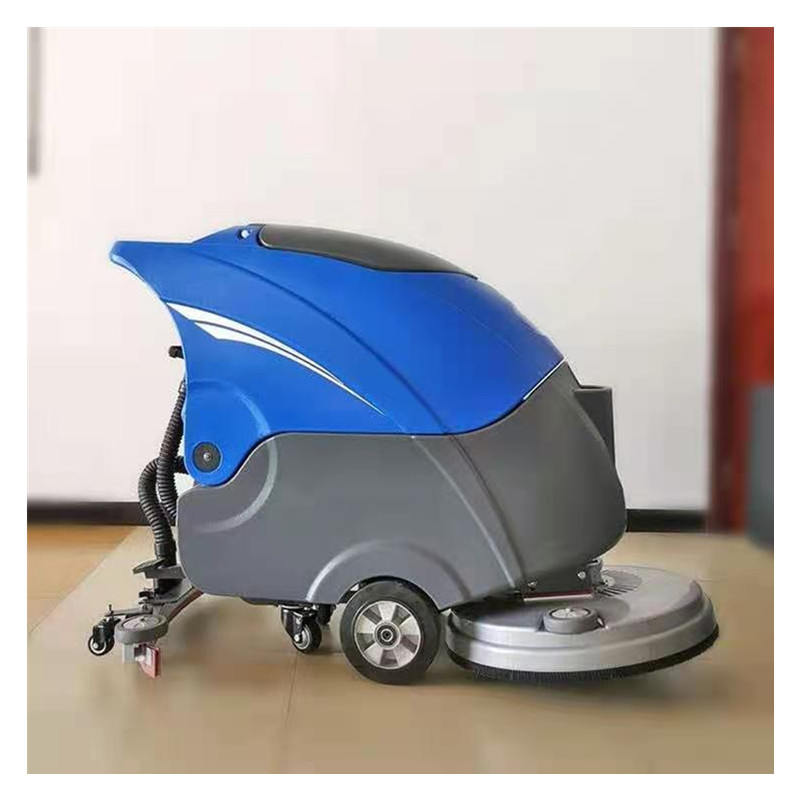
Why Walk-Behind Scrubbers Struggle with ROI at Scale
Facilities larger than about 50,000 square feet start running into real problems with walk behind scrubbers because these machines just can't keep up on multiple fronts. The numbers tell the story pretty clearly too. Most of these scrubbers clean around 15k to 25k sq ft each hour, so even a medium sized warehouse takes anywhere from 2 to 4 hours just for basic cleaning. Try scaling this up to those massive distribution centers that average between 100k and 500k sq ft though, and it becomes painfully obvious why this approach doesn't work well at all. Daily floor maintenance alone eats up roughly 4 to 6 hours from operators every day. And let's not forget about the human factor here either. When workers are manually operating these machines, they get tired, which leads to inconsistent results throughout their shifts. Warehouse staff commonly notice their productivity drops by about 30% after only 90 minutes of continuous work. That kind of decline matters a lot when companies need to clean upwards of a million square feet each week.
How Ride-On Floor Scrubber Coverage Rates Drive Time Savings
Ride-on floor scrubbers transform efficiency in vast spaces through two key advantages:
- Pathwidth: 36–48 inch cleaning paths versus 22–30 inches on walk-behinds
- Speed: 4–6 mph operational velocity compared to 2–3 mph
When combined, the system covers between 40 thousand and 70 thousand square feet every hour, which basically triples how much gets done. Take a facility covering half a million square feet for example. With this setup, workers spend 45 fewer hours each week on labor tasks. That means just one person can now handle work that used to need three staff members. The automated aspects also cut down on physical wear and tear while keeping quality steady throughout different shifts. Facilities that run tight cleaning schedules see real money savings too. According to some studies by ISSA, companies save around 24 percent on operating costs within three years when they implement these systems.
Open, Unobstructed Floor Plans with Wide Aisles
Ride-On Floor Scrubber Maneuverability Requirements vs. Facility Layout Constraints
Floor scrubbers that are ridden on tend to work best in places where there's plenty of room to move around. Most models need at least six foot wide aisles to function properly. These machines have pretty big turning circles too, usually between 60 and 80 inches, so they really need open spaces to prevent bumping into things like storage racks or other equipment. When the aisles get too narrow, operators end up having to adjust their cleaning routes constantly. Warehouse efficiency research from the Material Handling Industry shows this can cut down on actual cleaning coverage by as much as 40%. If a facility has lots of tight spots or obstacles scattered throughout, workers often find themselves going back over the same areas multiple times, which defeats one of the main advantages of these larger machines. On the flip side, when facilities are planned with proper clearance in mind, ride-on scrubbers can make complete passes across floors without stopping. This lets them maintain steady speeds and cover impressive amounts of ground, sometimes hitting rates around 15,000 square feet per hour. That kind of performance leaves walk behind models in the dust. For maximum effectiveness, it makes sense to focus on areas with long stretches of flat flooring rather than sections filled with sharp turns or crowded fixtures.
High-Frequency or Multi-Shift Cleaning Operations
Sustaining Consistency and Reducing Operator Fatigue Across Shifts
Ride on floor scrubbers help keep things clean without wearing staff out so much during long shifts. People who sit while operating these machines actually use about half as much energy compared to folks pushing around traditional walk behind models. The numbers come from some serious studies in the field of workplace ergonomics that came out last year. When workers aren't exhausted from constant walking back and forth, they can apply cleaner properly, maintain consistent pressure on surfaces, and cover areas thoroughly throughout their entire shift. Cleaning companies have noticed something interesting too - when they switch over to ride on equipment, mistakes drop by nearly 30% especially during late night hours when tiredness tends to creep in. This makes sense for facilities that need reliable results even when staff are running on empty after midnight.
Battery Swapping and Extended Runtime: Enabling True 24/7 Ride-On Floor Scrubber Use
Modern ride-on scrubbers support uninterrupted operation through dual-battery systems and rapid-swap technology. Key advantages include:
- Extended runtime: Lithium-ion batteries provide 6–8 hours of continuous operation
- 60-second swaps: Fully charged replacements eliminate charging downtime
- Shift continuity: No operational pauses between cleaning teams
This infrastructure enables true 24/7 cleaning cycles without compromising scrubbing intensity. Facilities with triple-shift operations complete full surface coverage daily, whereas walk-behind models require rotational downtime for charging—delaying coverage and increasing scheduling complexity.
Heavy-Duty Industrial Environments (Grease, Grime, Forklift Traffic)
Mechanical Scrubbing Power of Ride-On Floor Scrubbers on Oil-Saturated Concrete
Factories and warehouse floors face all sorts of problems daily. Oil leaks from machines, old grease gets stuck in cracks, and those forklifts just keep rolling over everything, pushing dirt deeper into the concrete. Regular walk behind scrubbers simply don't have enough power, usually around 150 psi at best, so they can't really tackle tough grime. That means workers end up going back over the same spots multiple times, which eats up valuable time and extra labor costs. The better option? Industrial strength ride on scrubbers that pack way more punch, delivering pressure well above 300 psi combined with fast spinning brushes that actually loosen up those stubborn oil residues. These machines clean about 90% of contaminants right off the first run through oil soaked concrete areas where forklifts operate. Cleaner floors mean fewer slips and falls, something that matters a lot when heavy equipment is constantly moving around. Plus it helps avoid costly downtime from corroded machinery or worker injuries, something OSHA definitely cares about with their rules on slips, trips and falls.
FAQ Section
What are the advantages of ride-on floor scrubbers compared to walk-behind scrubbers in large facilities?
Ride-on scrubbers have wider cleaning paths and higher operational speed, making them more efficient in covering large areas quickly. They also reduce operator fatigue and ensure consistent cleaning results.
How do ride-on floor scrubbers perform in facilities with narrow aisles or obstacles?
Ride-on floor scrubbers require spacious aisles and open areas for optimal maneuverability. Narrow aisles can reduce their efficiency as operators may need to adjust routes frequently.
Can ride-on floor scrubbers be used continuously without downtime?
Yes, modern ride-on scrubbers equipped with dual-battery systems and rapid-swap technology support uninterrupted operation, enabling true 24/7 cleaning cycles.
Are ride-on floor scrubbers effective in heavy-duty industrial environments?
Yes, ride-on scrubbers with high-pressure and fast-spinning brushes are effective in cleaning oil-saturated concrete surfaces and removing tough grime in industrial settings.