EN
EN
Why Electric Sweepers Are the Optimal Choice for Indoor Factory Environments
Zero-emission operation and compliance with indoor air quality standards
Switching to electric sweepers means no more dealing with those nasty exhaust fumes or PM2.5 particles that come from gas powered models. This makes a big difference when it comes to meeting OSHA 1910.134 regulations and keeping indoor air quality up to EPA standards. Without all those emissions floating around, there's much less risk of contaminating products in places where cleanliness matters most like food plants, drug manufacturers, and electronic component factories. Plus these electric models work well with the tight ventilation controls and cleaning protocols these industries require. Looking at recent numbers from industrial hygiene reports in 2024, many factories saw around 30 to 40 percent fewer workers complaining about breathing problems once they made the switch. And let's not forget the noise factor either. These machines run so quietly below 65 decibels that they don't create that constant background rumble we get from older models, which is especially nice in crowded warehouses or other busy indoor workspaces.
Battery vs. corded electric: Matching power delivery to workflow continuity and facility layout
The choice between battery-powered and corded electric sweepers should align with facility infrastructure, cleaning scope, and production scheduling:
- Corded models provide uninterrupted power ideal for large, open areas—but mobility is constrained to 100–150 ft from grounded outlets.
- Battery-powered units offer full operational flexibility in complex or segmented layouts, with typical runtimes of 4–6 hours per charge.
Facilities with centralized cleaning workflows benefit from corded reliability, while those with dispersed processes gain measurable efficiency from battery systems. Warehouse efficiency studies show that deploying multiple charging stations—strategically timed with production breaks—reduces cleaning downtime by 35% compared to single-charger setups.
Matching Electric Sweeper Type to Facility Size and Layout
Operational efficiency hinges on selecting the right electric sweeper configuration for your facility’s spatial constraints and debris volumes.
Walk-behind electric sweepers: Ideal maneuverability and efficiency for <15,000 sq ft spaces
Walk behind electric sweepers work really well in places with narrow aisles under 48 inches wide, those tricky corners, and areas packed full of machines. At around 30 to 40 inches across, these compact cleaners can turn on a dime thanks to their flexible steering system. Operators find they can zip past support columns, between inventory racks, and around workstations without much practice at all. The cleaning speed is pretty impressive too, covering somewhere between 12 thousand and 15 thousand square feet each hour. These smaller models shine particularly bright in workshops, along packaging lines, and inside maintenance bays where bigger machines just don't fit or would be too dangerous to run safely.
Ride-on electric sweepers: When scalability justifies footprint and aisle-width requirements
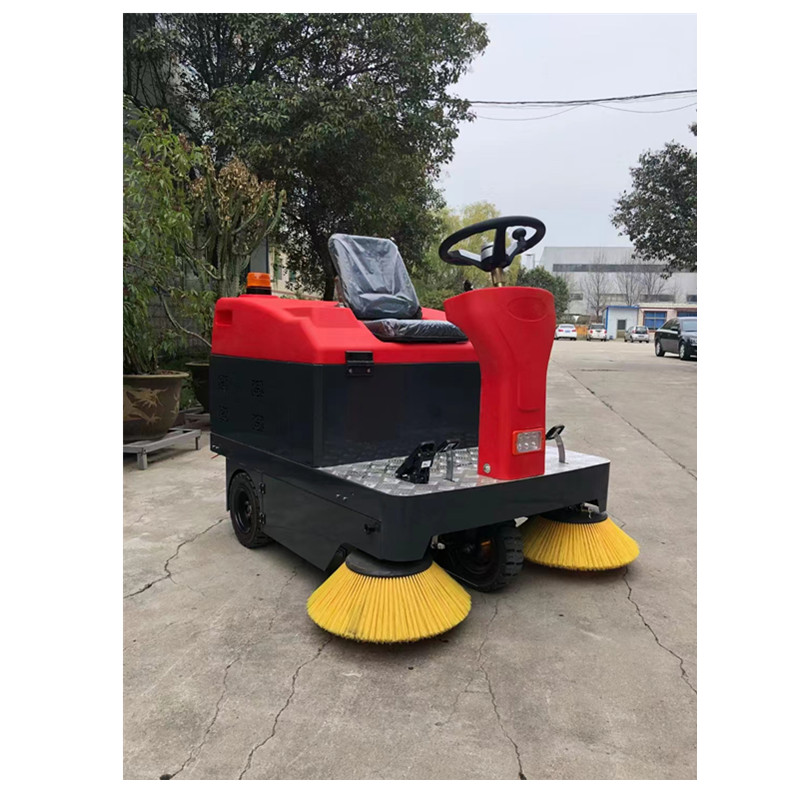
Warehouses larger than 15,000 square feet with at least 60 inch wide corridors see real benefits from using ride on electric sweepers. One person operating these machines can cover around 25,000 square feet during their shift, which basically matches what three people would accomplish with walk behind models. The difference really matters in busy areas such as shipping docks where we often find ourselves dealing with more than 15 gallons worth of debris each day. Keeping things running smoothly requires maintaining those minimum 60 inch clearances between aisles. Also important is setting up proper charging stations so they're ready when workers switch shifts. Getting this right makes all the difference for operations looking to maximize efficiency without breaking budgets.
Key Performance Features of Industrial Electric Sweepers for Factory-Specific Debris
Brush configuration, suction integration, and dust control for metal shavings and oil stains
Electric sweepers used in industrial settings feature main brushes spinning at extremely high RPMs (often above 1,000 revolutions per minute) made from synthetic polypropylene bristles designed specifically to tackle stubborn factory messes. These include things like metal shavings left behind after machining operations, fine grinding particles known as swarf, and greasy residue buildup on floors. The brushes are set at around a 45-degree angle which helps them make better contact with the floor surface and creates more effective scrubbing action. At the same time, powerful suction systems ranging from 400 to 600 pounds per square inch create directed airflow patterns that literally lift dirt and debris into sealed containers for disposal. This combination approach significantly reduces the risk of dangerous particles spreading across work areas, something that makes these machines particularly valuable in manufacturing plants where worker safety is paramount. When dealing with oily surfaces, the special non-absorbent bristle design prevents them from getting soaked up with grease, while built-in vacuum channels grab sticky contaminants before they can stick back down again. According to recent studies from material handling experts in 2023, the sealed hopper systems equipped with vibrating panels cut down on airborne dust escaping into the environment by more than seventy percent when compared to traditional broom sweeping methods.
Dust collection capacity and filtration (HEPA/optional) for fine particulate and combustible dust safety
Big hoppers with capacities between 20 and 30 gallons let facilities keep cleaning without stopping throughout entire production shifts. The filtration systems tackle those tricky industrial dust problems head on. HEPA certified filters grab about 99.97 percent of all particles as small as 0.3 microns which matters a lot for things like silica dust, aluminum particles, magnesium residue, and other combustible metals that fall under NFPA 652 regulations. There are also optional wet filtration modules available for dealing with stuff that absorbs moisture or reacts chemically, such as cement dust or specific chemical powders used in manufacturing processes. For places where explosions could be a risk, these sweepers come with special explosion-proof setups including conductive brushes and completely grounded housing so static electricity doesn't build up dangerously. According to recent OSHA compliance reports from 2024, factories working with flammable substances saw around 60 percent fewer issues related to air quality when they switched to sweepers equipped with HEPA filters.
Frequently Asked Questions
Why are electric sweepers considered optimal for indoor factory environments?
Electric sweepers are optimal for indoor factory environments because they offer zero-emission operation, compliance with indoor air quality standards, reduced noise levels, and improved safety compared to gas-powered models.
What are the main differences between battery-powered and corded electric sweepers?
Battery-powered sweepers offer operational flexibility and are suitable for complex or segmented layouts, whereas corded models provide uninterrupted power but have limited mobility due to their reliance on grounded outlets.
How do electric sweepers benefit facilities with different sizes and layouts?
Walk-behind sweepers are ideal for spaces under 15,000 sq ft with narrow aisles, while ride-on sweepers suit larger warehouses with wide corridors, offering scalability and high efficiency.
What key features enhance the performance of industrial electric sweepers?
Industrial electric sweepers feature high RPM brush configurations, suction integration, and effective dust control systems, designed to tackle debris such as metal shavings, swarf, and oil stains.
How do electric sweepers improve dust collection and safety?
Electric sweepers improve dust collection with large hoppers and HEPA certified filters, capturing fine particulates and ensuring compliance with safety regulations for combustible dust.
Table of Contents
- Why Electric Sweepers Are the Optimal Choice for Indoor Factory Environments
- Matching Electric Sweeper Type to Facility Size and Layout
- Key Performance Features of Industrial Electric Sweepers for Factory-Specific Debris
-
Frequently Asked Questions
- Why are electric sweepers considered optimal for indoor factory environments?
- What are the main differences between battery-powered and corded electric sweepers?
- How do electric sweepers benefit facilities with different sizes and layouts?
- What key features enhance the performance of industrial electric sweepers?
- How do electric sweepers improve dust collection and safety?