EN
EN

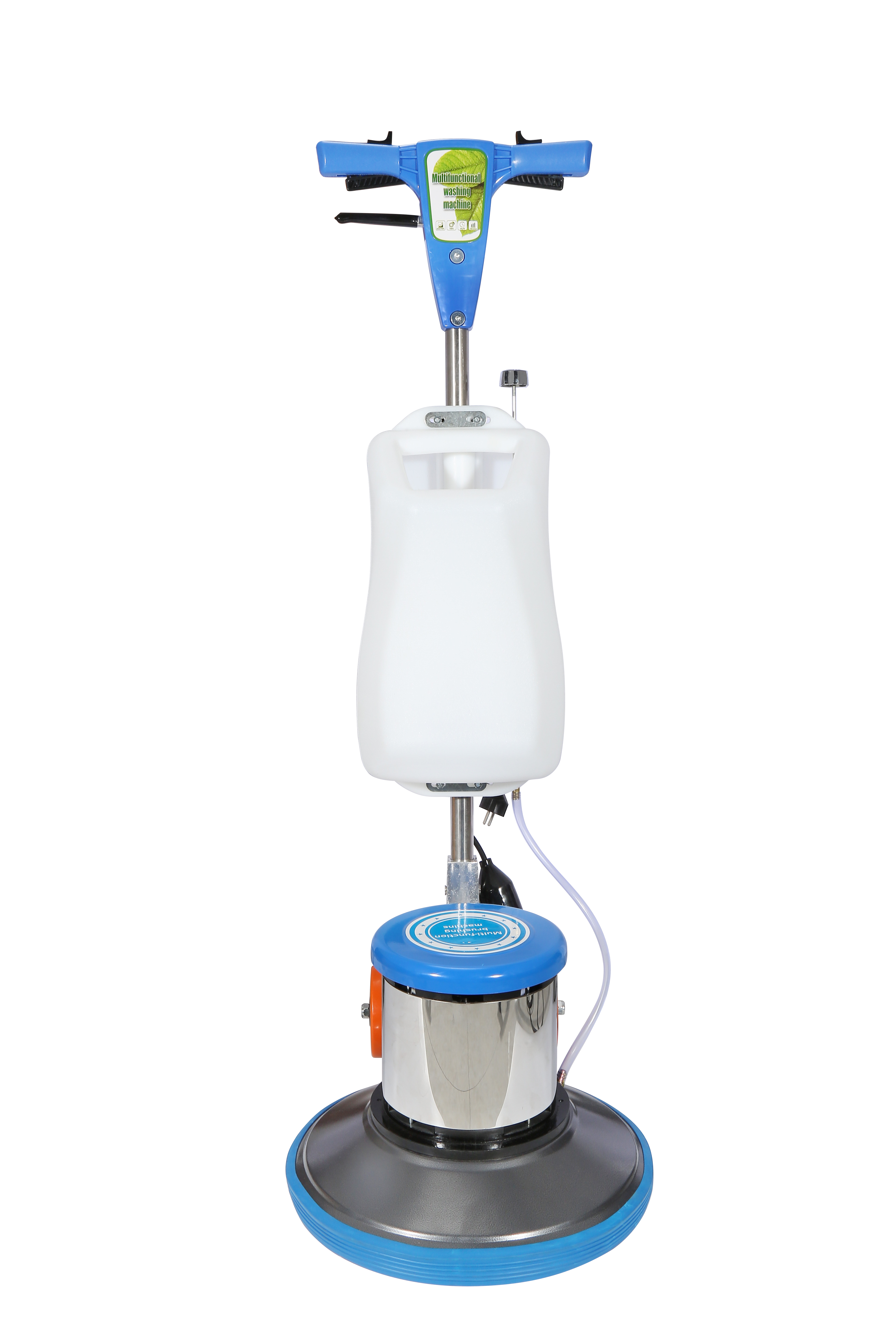
How a Carpet Cleaning Machine Addresses Deep Pet Stains: Core Mechanisms and Limits
Capillary action, dwell time, and urine crystal breakdown: Why surface cleaning fails
Carpet cleaners tackle those really deep pet stains by fighting against something called capillary action. This is basically when urine gets pulled up from the carpet padding into the fibers, which leads to those annoying stains and smells that keep coming back. The thing about pet urine is its pH level, usually around 8.5 to 9.5 on the alkaline side, creates these tough urea crystals that regular detergents just cant break down. To get rid of them properly, most experts recommend letting the cleaning solution sit for about 10 to 15 minutes so it has enough time to work its way through and actually dissolve those stubborn deposits. If someone tries to clean quickly without giving it proper time, they're just moving the mess around instead of getting rid of it. According to a recent study from the IICRC in 2023, more than 60 percent of people who try doing this themselves end up failing because their basic vacuum extractors simply don't suck out all those dissolved crystals before they start forming again.
Hot water extraction vs. dry compound methods: Penetration depth and residue removal efficacy
Carpets cleaned with hot water extraction systems get treated with heated solutions ranging from around 150 to 200 degrees Fahrenheit. This heat helps melt away organic debris so it can be properly removed from deep within the fibers. According to some tests done at textile labs, these machines penetrate about 80 percent deeper than traditional dry compound methods. However, cheaper models tend to leave behind soap residue in the carpet backing. About 42 percent still have traces of surfactants that actually pull in new dirt over time. While dry cleaning techniques let carpets dry much quicker, they typically only take out between thirty and fifty percent of those stubborn biofilms hiding beneath the surface. When dealing with thick organic messes such as pet accidents or vomit stains, hot water extraction requires going over the area multiple times slowly to make sure everything gets extracted properly.
Carpet Cleaning Machine Performance on Organic Pet Stains (Urine, Feces, Vomit)
Urine alkalinity (pH 8.5-9.5) and its resistance to standard detergent formulas in carpet cleaning machines
The alkaline nature of pet urine forms stubborn crystal deposits that regular carpet cleaners just can't tackle effectively. Most store bought solutions simply don't contain the enzymes necessary to actually break apart those urine molecules deep down. Carpet cleaner manufacturers tend to focus on getting rid of surface stains rather than dealing with the organic compounds underneath. That's why people often find themselves going over the same spots again and again, only for the smell to come back stronger than before. Studies in fabric science show something pretty telling here too - around three out of every four times homeowners try cleaning pet accidents themselves, the odors return within weeks despite their best efforts.
Fecal biofilm and microbial residue: Limitations of suction-only extraction in home carpet cleaning machines
Most home carpet cleaners depend mainly on suction power, which isn't great when dealing with fecal biofilms. What happens is bacteria from waste actually produce something called glycocalyx, this gooey substance acts like armor around them and gets stuck deep inside carpet padding where regular water pressure can't reach. According to industry standards set by IICRC, standard cleaning methods only manage to pull out about 30 to 40 percent of those pesky microbes without some extra steps like adding enzymes beforehand or using rotating brushes during cleaning. Left behind are all sorts of harmful germs plus smells we can't see but definitely breathe in, creating serious issues with indoor air quality and increasing chances of getting contaminated again later on.
Real-World Effectiveness of a Carpet Cleaning Machine: Lab Data vs. Home Conditions
IICRC S100 field data: Only 37% of DIY carpet cleaning machines achieve >80% stain reduction on aged pet urine
The truth is lab tests don't really tell us much about what happens when dealing with old pet urine stains. Most consumer grade carpet cleaners struggle against urine that's been sitting around longer than two days. According to IICRC S100 field work, barely a third (around 37%) manage to get rid of more than 80% of those stubborn stains. Why? Because these machines often fail at keeping proper contact time, apply detergent inconsistently across surfaces, and extract too quickly before things can properly break down. Professional equipment works differently though. These industrial units control pressure levels, maintain consistent heat, and activate chemicals exactly as needed within controlled environments. Homeowners run into all sorts of problems they just can't control themselves. The subfloor underneath absorbs liquids unpredictably, causing urine crystals to stick permanently to carpet backing fibers. And let's not forget about heat retention issues in regular household models either. Without sufficient heat, those alkaline deposits simply won't dissolve properly. That's why professionals still hold the edge when tackling deeply embedded biological messes like old urine stains.
When to Rely on a Carpet Cleaning Machine-and When to Call a Professional
The 72-hour rule: Enzyme pretreatment windows and irreversible dye migration thresholds
Carpet cleaners really shine when they get to work within three days after a pet mess happens. The enzymes in those special sprays start breaking down the stuff left behind from accidents pretty quickly during this time frame. But wait too long past that 72 hour mark and things change dramatically. Urine starts forming these stubborn crystal deposits while colors seep deep into the carpet fibers where regular vacuums simply can't reach them anymore. That's when it makes sense to call in the pros. Their gear heats up better, pulls harder than what we have at home, and actually breaks apart those pesky crystals that our basic cleaners miss completely. According to some numbers from CRI back in 2023, technicians managed to clean away around 89 percent of old stains that are already a week old, whereas most people trying with their own equipment only manage about half that success rate.
FAQs on Carpet Cleaning Machines and Pet Stains
1. Can regular household carpet cleaning machines completely remove pet urine stains?
No, regular household carpet cleaning machines often struggle to remove old pet urine stains due to insufficient contact time and inadequate heat, which are necessary to dissolve stubborn alkaline deposits.
2. Why do pet urine odors return after cleaning?
Pet urine odors often return because the alkaline urea crystals formed by the urine are not completely broken down or extracted, especially if using standard household cleaners lacking necessary enzymes.
3. How effective are dry compound methods compared to hot water extraction?
Dry compound methods are less effective than hot water extraction for deep cleaning pet stains, as they typically penetrate less deeply and leave more residues that attract new dirt.
4. When should pet stains be professionally cleaned?
Pet stains should be professionally cleaned if more than 72 hours have passed since the accident, as professional equipment can better manage older stains and stubborn deposits.
Table of Contents
- How a Carpet Cleaning Machine Addresses Deep Pet Stains: Core Mechanisms and Limits
- Carpet Cleaning Machine Performance on Organic Pet Stains (Urine, Feces, Vomit)
- Real-World Effectiveness of a Carpet Cleaning Machine: Lab Data vs. Home Conditions
- When to Rely on a Carpet Cleaning Machine-and When to Call a Professional
- FAQs on Carpet Cleaning Machines and Pet Stains