EN
EN

Core Hydraulic Performance: PSI, GPM, and Their Synergistic Impact on High Pressure Washer Efficiency
How PSI determines surface penetration and contaminant dislodgement
The term Pounds per Square Inch (PSI) basically tells us how much hydraulic force comes out of those high pressure washers we all know. When we talk about higher numbers here, say somewhere between 3,000 and even above 4,000, what happens is these forces start breaking apart really stubborn stuff stuck to surfaces such as old greasy deposits or hardened concrete residue. But wait! There's a catch. Too much power can actually hurt whatever surface we're trying to clean. For instance, bricks typically need around just 1,200 PSI according to Equipment Maintenance Quarterly from last year, whereas heavy duty equipment might call for something closer to 3,000 PSI or more. Getting rid of grime effectively isn't about blasting everything with maximum pressure though. The real trick lies in finding the right balance between what our cleaner produces and what the material being cleaned can handle without getting damaged.
Why GPM governs rinsing capacity and debris removal speed
Water flow rate measured in gallons per minute (GPM) tells us how much water moves through a system. When we talk about high GPM rates around 4 to 5 or higher, these systems can blast away loose dirt and grime really fast, cutting down on cleaning time by roughly 40% compared to those slow moving systems. Take warehouse floors for instance. At just 2.5 GPM, workers often need to go over the same area several times before getting it clean. But switch to something with 5 GPM and most of the mess gets swept away in a single pass. And let's face it folks, if there isn't enough water flowing through, all that pressure from high PSI means nothing because stuff still sticks around on surfaces.
Optimizing the PSI–GPM ratio for different cleaning tasks
Cleaning Units (CU = PSI × GPM) quantify combined hydraulic efficiency. Optimal ratios prevent wasted resources and surface damage:
- Heavy-duty tasks (concrete degreasing): Prioritize both high PSI (3,000+) and high GPM (4.0+)
- Delicate surfaces (wood decks): Lower PSI (1,500) with moderate GPM (2.0)
- Large-area rinsing (vehicles): Moderate PSI (1,800) with high GPM (4.0+)
| Surface Type | Recommended PSI | Recommended GPM | Cleaning Units (CU) |
|---|---|---|---|
| Industrial Concrete | 3,000–4,000 | 4.0–5.5 | 12,000–22,000 |
| Vehicle Washing | 1,800–2,200 | 3.5–4.0 | 6,300–8,800 |
| Residential Wood | 1,200–1,500 | 1.8–2.2 | 2,160–3,300 |
Exceeding substrate-specific CU thresholds accelerates wear. Operators increase efficiency by adjusting nozzles and flow regulators—not by running at maximum pressure alone.
Nozzle Design and Application Precision in High Pressure Washer Systems
Nozzle types (0° to 40°), orifice sizing, and spray geometry trade-offs
Nozzle selection directly determines cleaning effectiveness through spray angle and force concentration. Common configurations include:
- 0° (red) nozzles: Deliver pinpoint streams for embedded contaminants on concrete or metal
- 15° (yellow) nozzles: Balance pressure and coverage for moderate cleaning tasks
- 25° (green) nozzles: Provide optimal general-purpose cleaning with 25% wider coverage than 15° variants
- 40° (white) nozzles: Enable gentle rinsing of delicate surfaces like automotive paint
The size of an orifice has the opposite effect on pressure versus flow rate. Smaller openings will actually raise the pounds per square inch (PSI) measurement while decreasing gallons per minute (GPM). There are some important compromises here. When we go with narrower orifices, they definitely pack more punch against tough dirt buildup, but there's always that danger of scratching or damaging whatever surface we're cleaning. On the flip side, bigger openings spread out over a larger area, though not with as much power behind them. How the spray is shaped makes a big difference too. Fan shaped nozzles get the job done quicker because they cover more ground at once, but they need pretty exact positioning relative to what needs cleaning. Rotary jet systems handle rough or irregular surfaces better since they keep pressure steady throughout. Getting the right nozzle specs matched up with both the kind of dirt we face and how hard the material underneath is, saves time and money by avoiding unnecessary work and potential harm to surfaces.
Standoff distance and angle of attack: maximizing force transfer while minimizing substrate damage
Optimal standoff distance—typically 6–18 inches from surface—preserves cleaning energy while preventing damage. Industry testing reveals:
- Under 6 inches: Pressure concentrates 300% more intensely, risking etching on concrete or paint delamination
- Beyond 18 inches: Impact force decays exponentially, reducing cleaning efficiency by up to 60%
The angle at which we approach surfaces really matters for good results. When tilting nozzles between about 45 to 60 degrees, something interesting happens - water starts creating these lifting forces that actually push dirt sideways instead of just blasting straight down. This means operators can often get away with using less pressure overall while still getting clean surfaces. Keeping those passes overlapping consistently around 30 to 50 percent helps avoid those annoying streaks and spreads out the wear on equipment too. With delicate materials such as wood or vinyl surfaces, there's a trick most pros know: combining gentle oscillation movements along with 40 degree angled nozzles works wonders when keeping about twelve inches back from the surface being cleaned. This setup tends to balance safety concerns against effectiveness pretty well in real world situations.
Equipment Architecture: How High Pressure Washer Type and Pump Design Influence Sustained Performance
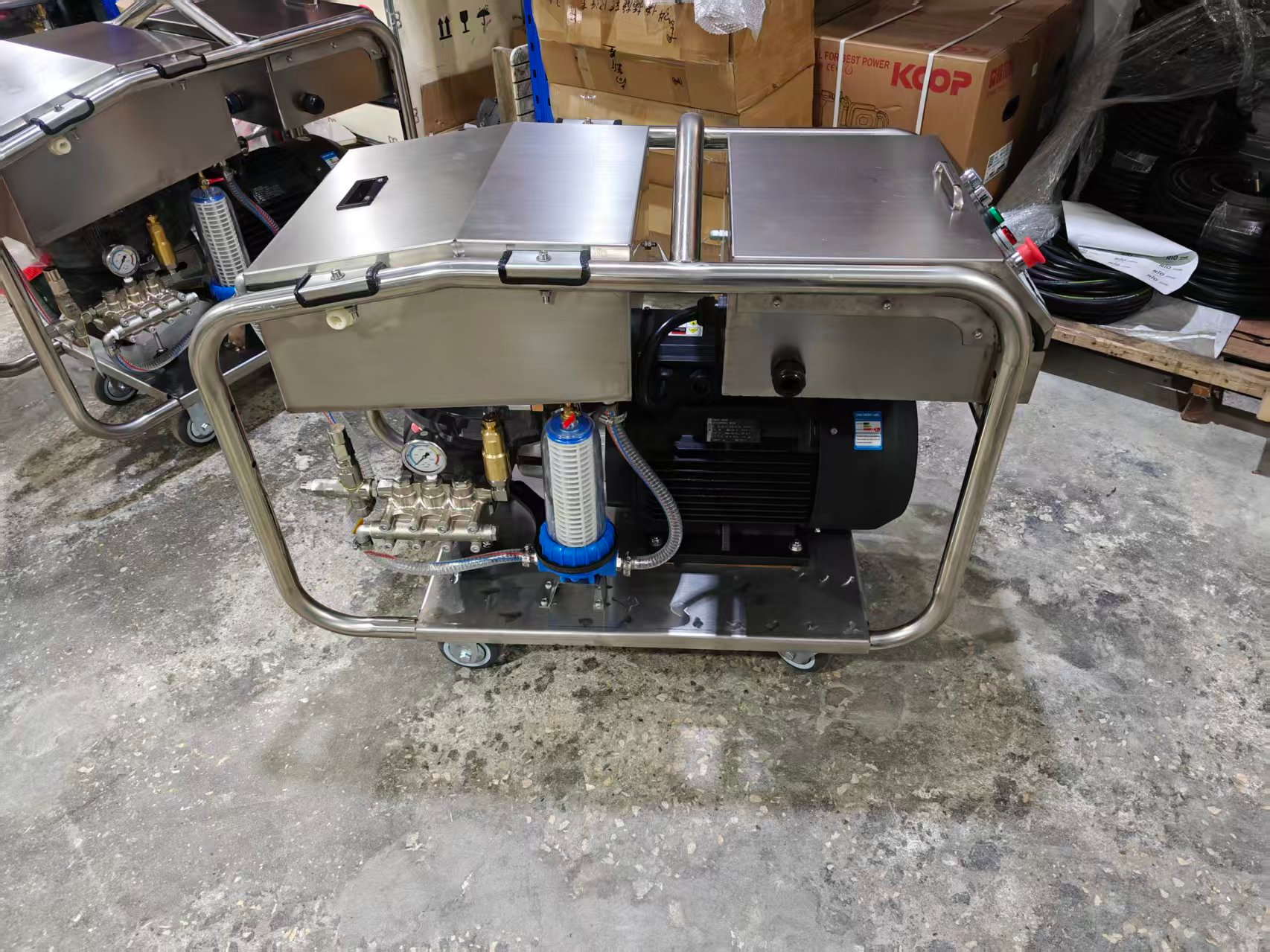
How long high pressure washers last and how consistently they clean really comes down to what kind of pump they have and how the whole system is built. Steel piston pumps can handle running at those 2000 to 4000 psi levels day after day without breaking down like cheaper plastic ones do. They just don't get that annoying cavitation effect or lose pressure over time. Axial pump designs are another plus because they run smoother thanks to those balanced crankshafts, and special seals keep things from getting too hot even after hours of cleaning work which matters a lot for businesses. What materials are used makes all the difference too. Stainless steel parts hold up against harsh chemicals when washing away greasy stuff, while brass fittings stay strong in saltwater areas around boats and docks. All these parts working together let commercial grade washers run for hundreds of hours each year without losing power or efficiency something most home models simply can't match since they tend to break down after only about 50 hours of use according to actual field tests.
Environmental and Surface-Specific Variables That Modulate High Pressure Washer Effectiveness
Substrate sensitivity, soil composition, and water quality implications
The durability of surfaces plays a big role in determining what pressure settings work best. For example, something delicate like wood siding needs less than 500 PSI to avoid damaging fibers, but concrete can handle over 3,000 PSI when we need deeper cleaning according to the PCPI Surface Resilience Report from last year. What kind of dirt or grime we're dealing with changes things too. Oily stuff really requires those hot water machines that get up to around 200 degrees Fahrenheit to break down the molecules properly. Biological growth tends to respond better when we add some chemicals into the mix. Water quality matters a lot as well. If the water has more than 200 parts per million minerals in it, nozzles start getting clogged with scale pretty quickly. This can cut down on spray power by almost half after just six months of regular use. Those mineral deposits also mess with how detergents work, especially on surfaces rich in silica where calcium actually makes dirt stick better. All these environmental considerations mean we have to adjust our equipment settings regularly. Getting the right balance between pressure strength and what different materials can tolerate is essential if we want to keep cleaning effective without harming whatever surface we're working on.
Human and Chemical Optimization: Operator Technique and Detergent Integration with High Pressure Washers
Best practices in nozzle movement, dwell time, and pattern sequencing
Cleaning gets better results when operators keep their nozzles about 12 to 18 inches away from surfaces and sweep them across in steady overlapping motions at around 1 to 2 feet per second. Keeping the nozzle on one spot for less than three seconds helps avoid damaging the surface while still knocking off tough grime. Most equipment makers suggest working from top down in sequence so gravity can help rinse away debris, which cuts down on water consumption by roughly 30 percent over haphazard movement patterns. Following these guidelines ensures the cleaning action works properly without causing too much splash back or wearing out the person doing the job.
Selecting and applying detergents to complement high pressure washer performance
When using industrial strength alkaline or acid based cleaners matched to particular soil conditions, operators often see around 40% less pressure needed according to recent 2023 cleaning standards. Getting these systems working right means installing accurate downstream injectors set between half a percent and four percent concentration levels. This activates the necessary chemical action without wearing out those expensive pump seals. Organic stuff responds well to enzyme treatments too. Apply them at reduced pressure settings and they'll knock out about 98% of residue while keeping delicate surfaces intact. Letting the solution sit for five to ten minutes gives time for those molecular bonds to break down properly before running in with the high pressure rinse cycle makes all the difference in results.
| Optimization Factor | Impact on Cleaning Efficiency | Recommended Protocol |
|---|---|---|
| Detergent Selection | Reduces required PSI by 30–40% | Match pH to soil type (alkaline for grease) |
| Nozzle Movement | Prevents 70% of surface damage | 45° fan pattern at 1 ft/sec speed |
| Chemical Dwell Time | Increases contaminant removal by 2.5x | 5–10 min pre-rinse activation |
FAQ
What does PSI mean in relation to high pressure washers?
PSI stands for Pounds per Square Inch and indicates the hydraulic force exerted by a high pressure washer. Higher PSI values can effectively remove stubborn deposits but can also damage certain surfaces.
Why is GPM important in a pressure washer?
GPM, or gallons per minute, measures the water flow rate. Higher GPM values enable quicker cleaning by swiftly removing loose dirt and grime.
How do you choose the right nozzle for different cleaning tasks?
Nozzle selection depends on the spray angle and force needed for the task. Types range from 0° (focused streams) to 40° (gentle rinsing), with different tasks requiring different angles.
How does water quality affect high pressure washer efficiency?
High mineral content in water can clog nozzles and reduce pressure efficiency. It also affects how detergents work, requiring adjustments in cleaning strategy.
What are the best practices for using detergents with high pressure washers?
Match detergents to soil conditions and use accurate injector settings. Allow detergents to dwell for 5–10 minutes before rinsing for maximum effectiveness.
Table of Contents
- Core Hydraulic Performance: PSI, GPM, and Their Synergistic Impact on High Pressure Washer Efficiency
- Nozzle Design and Application Precision in High Pressure Washer Systems
- Equipment Architecture: How High Pressure Washer Type and Pump Design Influence Sustained Performance
- Environmental and Surface-Specific Variables That Modulate High Pressure Washer Effectiveness
- Human and Chemical Optimization: Operator Technique and Detergent Integration with High Pressure Washers
-
FAQ
- What does PSI mean in relation to high pressure washers?
- Why is GPM important in a pressure washer?
- How do you choose the right nozzle for different cleaning tasks?
- How does water quality affect high pressure washer efficiency?
- What are the best practices for using detergents with high pressure washers?