EN
EN
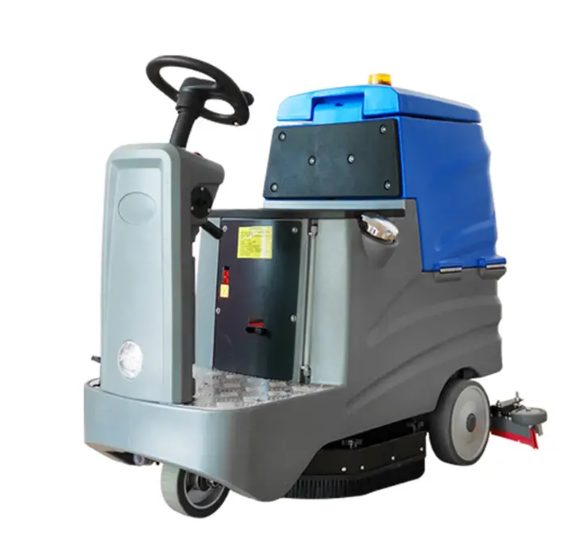
Industrial Floor Cleaning Requirements Define Walk Behind Floor Scrubber Selection
Matching scrubber specs to floor type, debris load, and cleaning frequency
Getting the right equipment for industrial settings is pretty much essential if companies want their operations running smoothly. For concrete floors where dirt gets stuck deep down, we generally recommend brushes with at least 1,200 PSI pressure to really get things clean. But when dealing with those shiny sealed epoxy floors, softer brushes under 800 PSI work better so we don't end up damaging the surface. The amount of mess around also matters quite a bit for solution tanks. Places that deal with lots of oil or grease buildup will find themselves constantly refilling smaller tanks, so going for something over 35 gallons makes sense most of the time. How often cleaning happens affects what kind of batteries are needed too. Warehouses that need to go through four or five cleaning sessions each day really benefit from lithium-ion batteries that can be swapped out quickly during breaks. One big auto parts maker cut down on scrubbing time by nearly 30% once they switched to a walk behind model with a broader scrubbing area (went from 28 inches to 40 inches wide) plus automatic dispensing that adjusts based on how dirty the floor actually is according to their standard operating procedures.
Case study: Automotive plant’s 37% downtime reduction with purpose-built walk behind floor scrubber
At one automotive manufacturing facility, switching from traditional ride-on scrubbers to specially designed walk behind models made all the difference for productivity. The old machines were causing major headaches during shift changes because they needed so much space to turn around. Once the plant got scrubbers with just a 19 inch turning radius and vacuum systems tailored for picking up debris, slip accidents went down dramatically - about 64% fewer slips on those epoxy floors. Looking at real time data showed something interesting too: these smaller scrubbers allowed cleaning crews to work alongside production lines instead of stopping everything. That meant workers gained back roughly 37 extra minutes every hour that used to get eaten up by downtime. Plus, these machines recovered over 96% of the water they used (measured against industry standards), which cut down on floor wetness risks and saved the company around 42 thousand gallons of water each month. The lesson here is pretty clear when it comes to choosing cleaning equipment for industrial settings.
Key Performance Metrics for Industrial Walk Behind Floor Scrubber Efficiency
Getting the right performance out of walk behind floor scrubbers is essential for keeping industrial operations running smoothly. There are three main factors that determine how well these machines work on big concrete areas. First off, the scrubbing width should be somewhere between 36 inches and 48 inches, which works best for most aisle widths. Next, the brushes need to apply at least 45 pounds per square inch of pressure to tackle really stubborn dirt buildup. And finally, good machines can cover over 30 thousand square feet per hour. Plants with super large floor spaces, like those over 100k square feet, have seen around a quarter less labor needed when they match these specs properly to what kind of mess they're dealing with and how often they need to clean.
Scrubbing width, brush pressure, and coverage rate per hour on large concrete floors
When dealing with concrete surfaces, adjusting brush pressure becomes essential because different levels of porosity require different approaches. Typically, pressures between 60 and 80 PSI work best for getting rid of oil and grease stains while still keeping the surface intact. Equipment that recovers at least 95% of water makes a big difference in workplace safety. These machines cut down on slips and falls, which is good news for meeting OSHA standards. Warehouse managers should know that leftover moisture actually causes around 17% of all incidents according to the National Safety Council report from last year. That's why many professionals look for cleaning systems with instant traction feedback when working on epoxy coated floors. Such features help maintain both safety and performance consistency across shifts.
Water recovery efficiency and slip hazard mitigation on epoxy and sealed concrete
Optimal vacuum systems extract >95% moisture within seconds, reducing dry times to under three minutes. Facilities using high-recovery scrubbers cut slip-and-fall incidents by 34% annually. Sealed concrete requires balanced solution flow to avoid chemical residue that degrades coatings—automated dosing systems prevent this while conserving 30% more chemicals than manual alternatives.
Durability and Operator-Centric Design in Industrial Walk Behind Floor Scrubber Models
Heavy-duty construction: steel frames, IP65-rated components, and abrasion-resistant brush decks
Equipment used in industrial environments needs to handle pretty rough treatment day after day. The steel frames are there to take hits when things get bumped around by pallets or heavy machinery. Components rated IP65 keep out dust and can stand up to those powerful water jets that workers sometimes use during cleaning. The brush decks themselves are made with materials that resist wearing down from all that scraping across concrete floors covered in metal bits and chemical leftovers from production processes. According to recent studies on industrial cleaning gear from last year, these tougher builds cut down how often maintenance is needed by about 30%. And let's not forget about downtime costs either. Manufacturing facilities typically lose around $260k every single hour their operations come to a halt, so having reliable equipment makes a huge difference financially speaking.
Ergonomic maneuverability: sub-22" turning radius, low center of gravity, and all-day operator comfort
Getting things done efficiently really depends on designing equipment that works for people, not against them. Take the turning radius for instance – something under 22 inches lets operators maneuver easily between tight warehouse aisles and around all those pesky pieces of machinery scattered throughout facilities. The machine's low center of gravity is another smart feature that keeps it stable even when rolling over dock plates or bumping into uneven floor sections. Operators appreciate the adjustable handles with their vibration absorbing grips, plus the way the weight is spread out so evenly. These small comforts make a big difference after hours of continuous work. Warehouse managers have noticed facilities using these ergonomic designs see about a 22 percent boost in daily coverage simply because workers can apply steady pressure and maintain control without getting exhausted. And let's not forget about self propulsion systems which cut down on physical effort required, allowing staff to clean every corner of large industrial spaces without breaking a sweat.
FAQ Section
What floor types require specific brush pressure?
Concrete floors require brushes with at least 1,200 PSI to effectively clean deep dirt, while sealed epoxy floors are better suited for softer brushes with under 800 PSI to avoid damage.
How does water recovery efficiency benefit industrial operations?
High water recovery efficiency reduces moisture and slip hazards on floors, contributing to safety compliance and reducing slip-and-fall incidents significantly.
What are the advantages of lithium-ion batteries in floor scrubbers?
Lithium-ion batteries are ideal for frequent cleanings, allowing quick swaps during breaks and maintaining device uptime in high-frequency cleaning settings.
Why is ergonomic design important in floor scrubbers?
Ergonomic design enhances maneuverability and comfort for operators, leading to improved efficiency and reduced operator fatigue during long shifts.