EN
EN

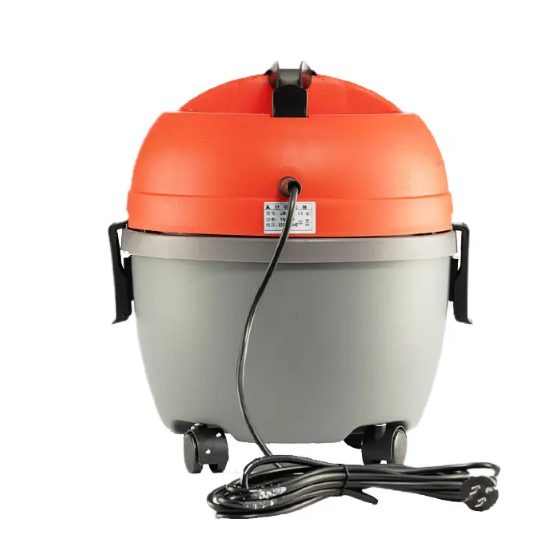
How Wet and Dry Vacuum Cleaners Work: Core Mechanisms and Design Features
High-torque motors generate suction exceeding 80–100 air watts by spinning impellers to create negative pressure—drawing debris through reinforced hoses into a dual-chamber collection tank. This segregated design isolates liquids from solids, eliminating cross-contamination risks and protecting against electrical hazards in demanding environments. Key operational features include:
- Pressure-regulated separation, where airflow velocity drops at the tank inlet, enabling gravity to separate heavy liquids from lighter particulates
- Sealed motor compartments with IPX4-rated ingress protection for reliable moisture resistance
- Multistage filtration, combining hydrophobic foam pre-filters with optional HEPA cartridges that trap 99.97% of 0.3-micron particles (ASME, 2022)
- Reversible airflow systems, supporting both vacuuming and “blow” functions for targeted debris displacement
Unlike standard vacuums, these units are bagless—relying instead on chemical-resistant polypropylene tanks with capacities ranging from 15 to 25 gallons. An automatic float valve cuts off suction when liquid reaches maximum fill level, preventing motor damage and sustaining industrial-duty performance.
Key Applications of Wet and Dry Vacuum Cleaners Across Industries
Construction and Renovation Sites
At construction sites, workers deal with all sorts of dangerous stuff mixing together - think concrete dust and wood chips from cutting, plus wet messes like rainwater pooling around or plaster slurry everywhere. Wet/dry vacs clean up both types of mess really well, which cuts down on slips and falls, keeps people from breathing in bad particles, and lowers the risk of silica sickness that can happen when grinding materials. These machines aren't just good for sucking up dust either. They tackle sharp objects too, handling nails, gravel, and even those super fine abrasive dusts that get everywhere. This helps meet OSHA standards for safety equipment. Plus, since these vacuums are easy to move around rough ground, they actually helped reduce accidents at job sites by about 34% according to recent industry reports from last year.
Automotive Repair and Manufacturing Facilities
In automotive settings, these vacuums manage oil spills, coolant leaks, and metal shavings in a single pass—removing flammable liquids near welding stations and capturing brake dust containing heavy metals. Dual-function operation prevents cross-contamination between service bays, while integrated HEPA filtration ensures air quality compliance in enclosed workspaces.
Food Processing and Warehousing Environments
In food processing plants, operators rely on both wet and dry vacuum systems to clean up after messy situations like oil spills or sauce leaks, while also picking up dry messes such as flour dust and grain particles. High quality sanitation equipment comes equipped with stainless steel containers that help keep bacteria at bay, plus special motors designed to handle explosive starch dust safely. Getting rid of liquids quickly stops moisture from becoming a breeding ground for harmful pathogens, which is essential for following HACCP guidelines and staying prepared for those inevitable FDA inspections down the road.
| Industry | Primary Debris Types | Critical Safety Function |
|---|---|---|
| Construction | Dust, slurry, nails | Silica containment & slip prevention |
| Automotive | Oils, metal shavings, coolant | Flammable liquid removal & air filtration |
| Food Processing | Liquids, powders, organic matter | Pathogen control & explosion prevention |
Critical Selection Criteria for Commercial Wet and Dry Vacuum Cleaners
Tank Capacity, Suction Power, and Filtration Efficiency
Three interdependent factors define industrial suitability:
- Tank capacity (typically 10–25 gallons) determines how often operators must empty the unit—larger tanks improve workflow continuity in warehouses or manufacturing plants.
- Suction power, measured in CFM, should exceed 150 CFM for fast, effective liquid recovery—especially critical in healthcare or hospitality settings where rapid spill response is essential.
- Filtration efficiency dictates containment reliability: HEPA filters certified to capture ≥99.97% of 0.3-micron particles (ASME, 2022) are non-negotiable in pharmaceutical labs or cleanrooms where airborne contaminants threaten product integrity or personnel health.
Material Compatibility and Safety Certifications (e.g., UL, ATEX)
The right materials matter when equipment faces tough environments. Polypropylene tanks hold up against acid spills pretty well, whereas stainless steel parts can take the punishment from metal chips and abrasive particles without wearing down. Safety certifications from outside organizations are just as important though. The UL mark means electrical systems are safe to install across North America, while ATEX certification becomes necessary wherever there might be explosive dust or vapor present, think places like grain storage facilities or chemical plants. Not following these guidelines opens the door to dangerous fire hazards caused by static electricity buildup or components getting too hot during operation.
Maintenance Best Practices to Maximize Uptime and Longevity
Routine Filter Cleaning and Tank Drainage Protocols
Consistent maintenance preserves suction strength and extends service life. For wet operations, tanks must be emptied immediately after use to prevent corrosion and microbial growth. Dry-use routines require daily filter shaking and weekly deep cleaning:
- Foam filters: Rinse thoroughly with water and fully air-dry before reinstallation.
-
HEPA filters: Replace every 3–6 months in high-dust environments to maintain rated efficiency.
Facilities adhering to scheduled maintenance report 30–50% less unplanned downtime.
Motor Protection and Hose/Accessory Inspection Routines
Motor longevity hinges on moisture management and mechanical integrity:
- After wet vacuuming, run the unit in “dry mode” for 5 minutes to evaporate residual moisture from internal components.
- Inspect hoses monthly for cracks, kinks, or loose connections—issues that increase motor load and accelerate wear.
- Verify integrity of UL- and ATEX-compliant seals quarterly; proactive inspection reduces annual repair costs by up to 40%.
FAQ
What are wet and dry vacuum cleaners used for?
Wet and dry vacuum cleaners are used in various industries to clean both liquid and solid debris. They are essential for safely removing messes like oil spills, construction dust, and metal shavings.
Why are HEPA filters important in vacuum cleaners?
HEPA filters are crucial because they trap 99.97% of particles as small as 0.3 microns. This is vital in environments like pharmaceutical labs, where containing airborne contaminants is crucial.
How often should filters be cleaned or replaced?
Foam filters should be cleaned routinely and HEPA filters should be replaced every 3-6 months, especially in high-dust environments, to maintain efficiency.